Issue · Healthcare

Healthcare

Every healthcare bill, vote, and legislator stance in Connecticut, automatically classified by Maddy, our AI policy reader.

Total bills
165
2026 Regular Session
Top supporter
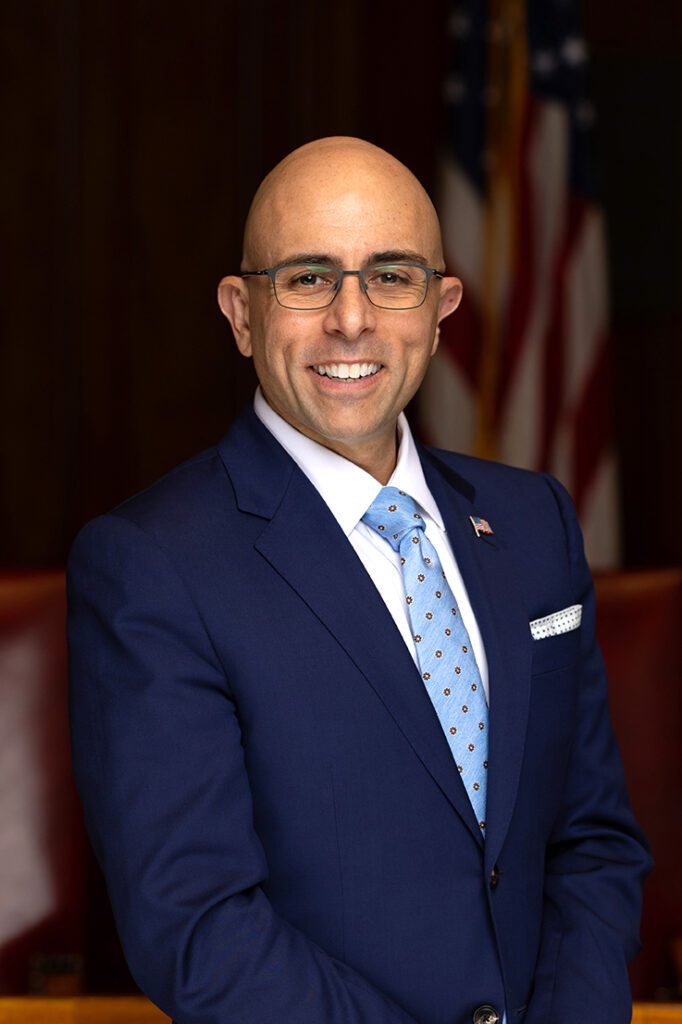
Jason Perillo
89% support rate
Top opponent
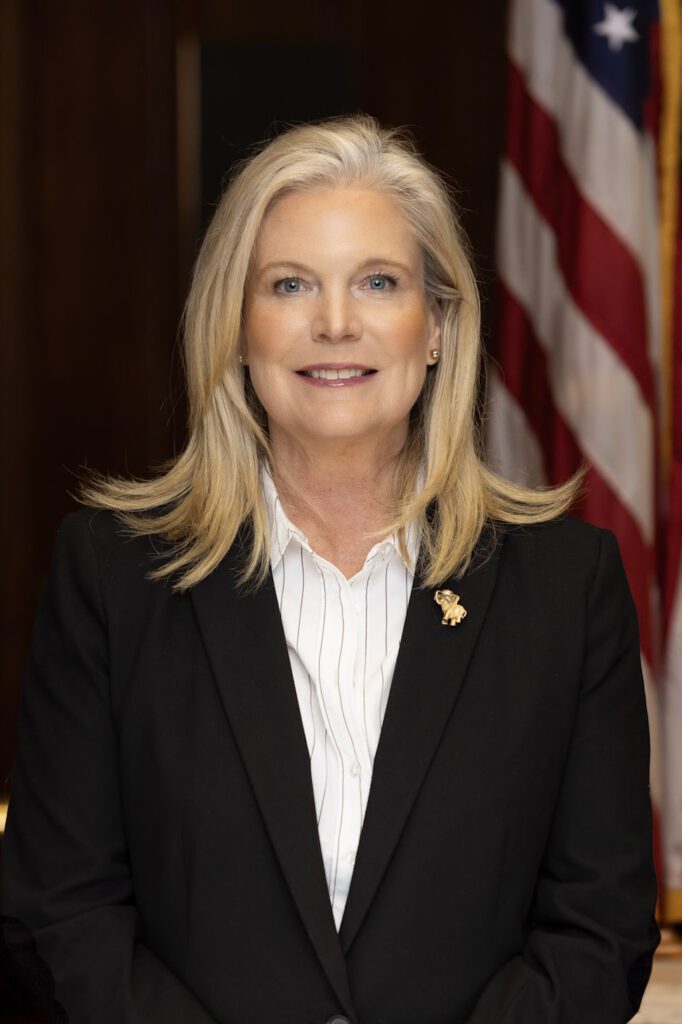
Donna Veach
14% support rate
Ranked legislators
10
5 support · 5 oppose
Key legislators

Who's moving healthcare in Connecticut

Legislators moving healthcare in Connecticut
Legislator Party Stance Support rate Votes
Jason Perillo
Jason Perillo Senate · District 21
R
Strong +
89% 48
Heather Somers
Heather Somers Senate · District 18
R
Strong +
84% 48
Jeff Gordon
Jeff Gordon Senate · District 35
R
Strong +
84% 47
Paul Cicarella
Paul Cicarella Senate · District 34
R
Strong +
84% 48
John Kissel
John Kissel Senate · District 7
R
Strong +
84% 47
Donna Veach
Donna Veach House · District 30
R
Strong −
14% 30
Karen Reddington-Hughes
Karen Reddington-Hughes House · District 66
R
Strong −
14% 30
John Fonfara
John Fonfara Senate · District 1
D
Strong −
17% 47
Matt Lesser
Matt Lesser Senate · District 9
D
Oppose
21% 48
Saud Anwar
Saud Anwar Senate · District 3
D
Oppose
21% 48
Showing 31–40 of 165 bills

All healthcare bills

signed · Connecticut · House May 14, 2026

HB 5514: AN ACT CONCERNING VARIOUS REVISIONS TO THE PUBLIC HEALTH STATUTES.

This bill updates Connecticut's public health statutes to clarify which facilities are considered "institutions" and expands the state's investigation process for abuse and neglect involving people with intellectual disabilities. It redefines "institution" to include various healthcare and care facilities while explicitly excluding most state-operated mental health and substance use disorder facilities, with specific exceptions. The bill also strengthens the Department of Developmental Services' authority to investigate abuse reports by allowing record reviews without full psychological exams, granting subpoena powers, and requiring electronic record-keeping of abuse reports. Additionally, it establishes protocols for investigating deaths of individuals with intellectual disabilities where abuse or neglect may be involved and clarifies confidentiality rules for investigation reports.
in committee · Connecticut · Senate Apr 14, 2026

SB 410: AN ACT CONCERNING FIREFIGHTER CANCER.

This bill establishes a new lump sum death benefit of $100,000 for surviving families of first responders who die from firefighter cancer while performing their duties. It creates a dedicated "Fallen Hero Fund" to finance these payments and expands the definition of firefighter cancer to include various types of cancer affecting multiple body systems. The law applies to first responders including firefighters, police officers, paramedics, and emergency medical technicians, and ensures these benefits are paid in addition to any other compensation or survivor benefits they may receive.
signed · Connecticut · House May 27, 2026

HB 5515: AN ACT CONCERNING THE DEPARTMENT OF MENTAL HEALTH AND ADDICTION SERVICES' RECOMMENDATIONS REGARDING ACCESS TO OPIOID OVERDOSE REVERSAL MEDICATION AND VARIOUS REVISIONS TO MENTAL HEALTH AND ADDICTION STATUTES.

This bill updates Connecticut school health regulations to allow trained school personnel to administer opioid overdose reversal medication to students experiencing an opioid-related overdose without prior written authorization. The legislation requires the State Board of Education to establish specific conditions and procedures for storing and administering these medications, similar to existing rules for epinephrine in allergic reaction emergencies. School staff must complete annual training to administer the medication, and the rules apply to both intramural and interscholastic athletics settings. The changes take effect on July 1, 2026, and aim to ensure students have access to life-saving treatment during opioid overdoses at school.
in committee · Connecticut · Senate Apr 7, 2026

SB 499: AN ACT CONCERNING MEDICAID RATE INCREASES.

This bill requires the Department of Social Services to increase Medicaid reimbursement rates for healthcare providers starting July 1, 2026, with the goal of reaching at least 75% of Medicare rates by June 30, 2029. The law establishes a five-state benchmark using average rates from Maine, Massachusetts, New Jersey, New York, and Oregon to determine increases for services without corresponding Medicare rates. Additionally, the bill mandates annual rate adjustments after 2029 based on Medicare rate comparisons, the five-state benchmark, or changes in the Medicare Economic Index to account for inflation. A separate oversight council must review provider reimbursement rates annually and report to the legislature with recommendations on necessary funding to maintain adequate compensation for healthcare providers.
Sub-Topics Medicaid Medicare
in committee · Connecticut · House Apr 7, 2026

HB 5483: AN ACT CONCERNING FERTILITY CARE UNDER THE MEDICAID PROGRAM.

This bill expands Medicaid coverage to include fertility diagnostic care, fertility preservation services, and infertility treatments for individuals enrolled in the program. Effective January 1, 2027, the state would cover diagnostic tests, medications for ovulation enhancement, and up to six cycles of intrauterine insemination, while also funding storage of frozen eggs or embryos until age 30 or for five years, whichever is longer. The legislation prohibits waiting periods, discrimination based on disability or prior treatment history, and restrictions related to donor gametes, ensuring equal access regardless of age, race, gender identity, or other protected characteristics. Additionally, the bill requires the Commissioner of Social Services to consult with federal officials about potential future coverage for in-vitro fertilization and submit a report by July 2027 outlining options and funding needs for that service.
Sub-Topics Medicaid
in committee · Connecticut · House Apr 7, 2026

HB 5480: AN ACT CONCERNING PEER SUPPORT SERVICES UNDER THE MEDICAID PROGRAM.

This bill requires the state Medicaid program to pay for peer support services, which are recovery-focused behavioral health services provided by individuals with lived experience in mental illness or substance use recovery. Starting July 1, 2026, the Commissioner of Social Services must update Medicaid rules to include these services in care teams and begin reimbursing certified peer support specialists for their work. The law also mandates a report by August 1, 2027, detailing how many specialists receive payment, how many Medicaid enrollees they serve, and any treatment outcome data collected from their services.
in committee · Connecticut · Senate Apr 7, 2026

SB 482: AN ACT CONCERNING LEGISLATIVE OVERSIGHT OF MEDICAID WAIVERS, MEDICAID STATE PLAN AMENDMENTS AND OTHER FEDERALLY FUNDED PROGRAMS.

This bill requires Connecticut's Department of Social Services to seek legislative committee approval before submitting Medicaid waiver applications or state plan amendments to the federal government. The legislation mandates that joint standing committees review these proposals within 30 days, hold public hearings, and provide approval, denial, or modifications before the commissioner can submit them federally. Additionally, the bill requires the department to publish advance notices in the Connecticut Law Journal and online, allowing 30 days for public written comments on proposed changes. If committees fail to respond within the 30-day review period, the waiver or amendment is automatically approved. The bill also requires the commissioner to notify committees annually about potential Medicaid waivers that could save state money.
Sub-Topics Medicaid
in committee · Connecticut · Senate Apr 7, 2026

SB 495: AN ACT EXPANDING THE MEMBERSHIP AND STUDY FOCUS OF THE LONG-TERM CARE PLANNING COMMITTEE.

This bill establishes a Long-Term Care Planning Committee to develop a comprehensive plan for long-term care services in Connecticut, affecting individuals who need care and the agencies that provide it. The committee will create a plan that integrates home and community-based services, supportive housing, and nursing facilities, ensuring people can choose the least restrictive care setting appropriate for their needs. The committee will study financing options, workforce issues, federal funding gaps, and data on Medicaid spending between nursing homes and community-based services. It will also include representatives from various state agencies, employee organizations, and retiree groups, and must submit annual reports with findings and recommendations to the legislature.
in committee · Connecticut · House Apr 7, 2026

HB 5556: AN ACT CONCERNING COMPLEX CARE SERVICE DELIVERY FOR YOUNG PERSONS WITH CO-OCCURRING MENTAL HEALTH AND INTELLECTUAL DISABILITY OR AUTISM DIAGNOSES.

This bill directs state agencies responsible for children, developmental services, education, social services, and mental health to create a coordinated system for young adults aged 17 to 22 with intellectual or developmental disabilities, including autism, who also have behavioral health needs. The system requires agencies to sign agreements to identify eligible individuals, calculate necessary resources, inventory residential behavioral health options, and explore psychiatric residential treatment facilities through requests for proposals or state property. Agencies must submit a joint report by October 1, 2026, detailing funding needs, progress made, and recommendations for closing service gaps to the General Assembly committees.
Sub-Topics Mental Health Tags People with Disabilities
passed · Connecticut · Senate Apr 22, 2026

SB 401: AN ACT CONCERNING A BRIDGE PROGRAM TO ALLOW ACCESS TO FOOD, HOUSING AND HEALTH CARE BENEFITS.

This bill establishes a state-funded bridge program designed to help vulnerable individuals maintain access to food, housing, and healthcare benefits while they transition through changes in federal work requirements. The program would target veterans, homeless persons, adults with autism, foster care aging out, and older adults at risk of losing Medicaid or nutrition assistance, requiring state agencies to develop a plan by October 2026. Key provisions include supplementing existing job support programs, providing temporary state-funded assistance equivalent to current benefits, recommending long-term housing solutions, and documenting employability for potential federal waivers. The plan must be submitted to legislative committees by January 2027 along with funding estimates and implementation timelines.
Sub-Topics Medicaid Homelessness
Showing 31 to 40 of 165 bills
Previous 1 3 4 5 17 Next