Issue · Healthcare

Healthcare (Public Health)

Every healthcare bill, vote, and legislator stance in Connecticut, automatically classified by Maddy, our AI policy reader.

Total bills
22
2026 Regular Session
Top supporter
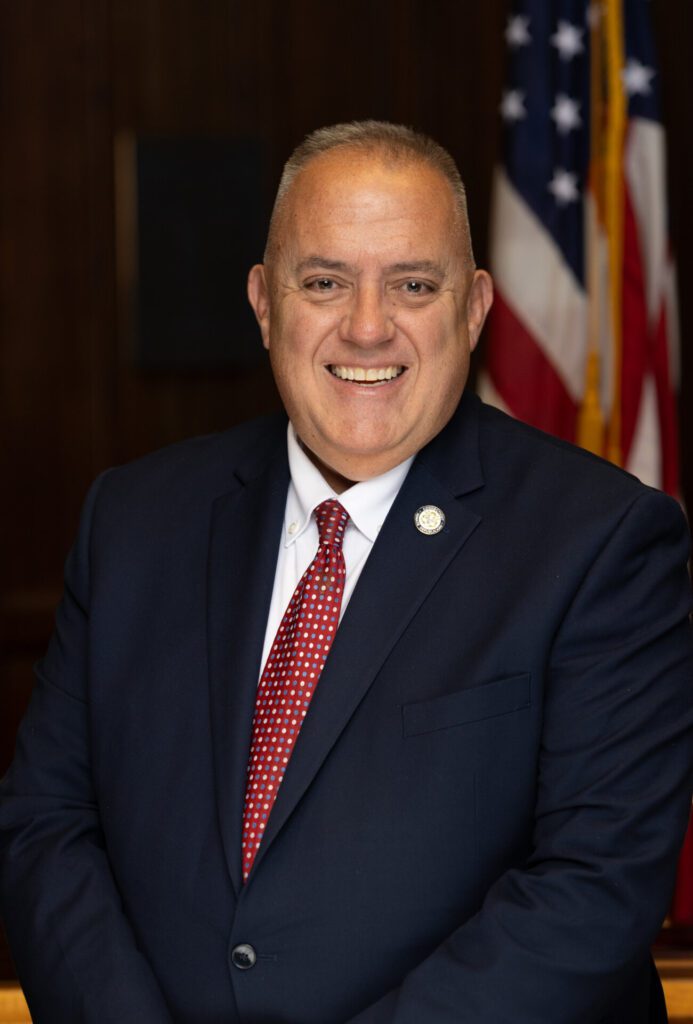
Eric Berthel
90% support rate
Top opponent
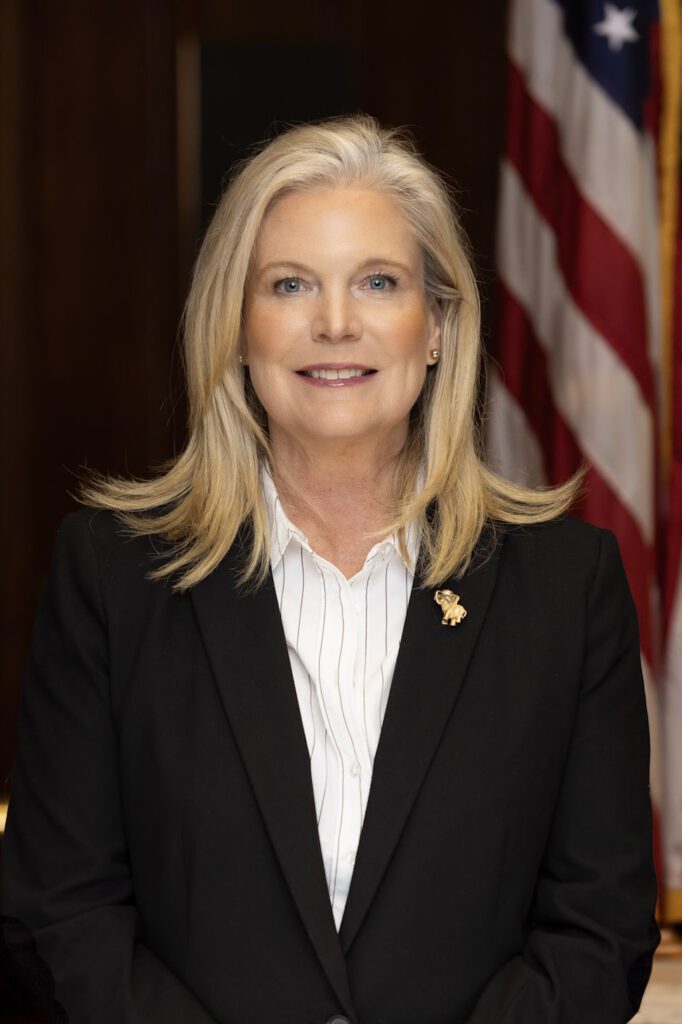
Cathy Osten
0% support rate
Ranked legislators
10
5 support · 5 oppose
Key legislators

Who's moving public health in Connecticut

Legislators moving public health in Connecticut
Legislator Party Stance Support rate Votes
Eric Berthel
Eric Berthel Senate · District 32
R
Strong +
90% 10
Heather Somers
Heather Somers Senate · District 18
R
Strong +
90% 10
Henri Martin
Henri Martin Senate · District 31
R
Strong +
90% 10
Jason Perillo
Jason Perillo Senate · District 21
R
Strong +
90% 10
Jeff Gordon
Jeff Gordon Senate · District 35
R
Strong +
90% 10
Cathy Osten
Cathy Osten Senate · District 19
D
Strong −
0% 4
Bob Duff
Bob Duff Senate · District 25
D
Strong −
10% 10
Ceci Maher
Ceci Maher Senate · District 26
D
Strong −
10% 10
Christine Cohen
Christine Cohen Senate · District 12
D
Strong −
10% 10
Derek Slap
Derek Slap Senate · District 5
D
Strong −
10% 10
Showing 1–10 of 22 bills

All healthcare bills

signed · Connecticut · Senate Jun 2, 2026

SB 431: AN ACT CONCERNING PALLIATIVE AND HOSPICE CARE IN LITCHFIELD COUNTY.

This bill directs the Commissioner of Social Services, working with the Commissioner of Public Health, to study the need for palliative and hospice care services in Litchfield County. The study must consider existing findings from the state's Palliative Care Advisory Council and must be completed by October 1, 2026. If the study finds a need, the commissioner may create a pilot program using available funds, federal resources, and Medicaid options to provide these services. The bill requires a final report to be submitted to the relevant legislative committees.
Sub-Topics Medicaid Public Health
in committee · Connecticut · Senate Apr 7, 2026

SB 450: AN ACT CONCERNING THE STANDARD OF CARE FOR IMMUNIZATION.

This bill establishes a standardized immunization care protocol for Connecticut residents, requiring the state Public Health Commissioner to create and publish guidelines based on recommendations from national health organizations. It mandates that healthcare providers follow these established schedules when administering vaccines to children and adults, while also ensuring vaccines are provided at no cost to eliminate financial barriers to vaccination. The legislation creates an immunization program that will distribute vaccines to providers, offer educational materials to parents, track vaccination status for children in state programs, and utilize available federal and state funding to support these efforts. Additionally, the bill clarifies procurement rules for vaccines used under federal programs, ensuring they align with the newly established state standard of care.
Sub-Topics Public Health
in committee · Connecticut · Senate Apr 9, 2026

SB 451: AN ACT ESTABLISHING AN ADVISORY COUNCIL ON CHIMERIC ANTIGEN RECEPTOR T-CELL THERAPY AND OTHER GENE THERAPIES.

This bill creates a new advisory council to oversee the development and delivery of chimeric antigen receptor T-cell therapy and other gene therapies for cancer treatment within the state. The council will advise the Department of Public Health on issues such as patient access, safety protocols, training for medical providers, and equitable distribution of care across different communities. It will be composed of 22 members including state officials, medical experts, patient advocates, and representatives from healthcare organizations, with appointments beginning by October 2026. The council will hold public hearings, research best practices, and work to establish centers of excellence and a statewide referral network to ensure all eligible patients can receive these advanced treatments.
Sub-Topics Public Health
in committee · Connecticut · House Apr 22, 2026

HB 5510: AN ACT CONCERNING THE DEPARTMENT OF PUBLIC HEALTH'S RECOMMENDATIONS REGARDING UNLICENSED INSTITUTIONS AND PRACTICES.

This bill strengthens enforcement against unlicensed health care institutions and practices by increasing penalties and expanding the Department of Public Health's authority. It raises fines for operating unlicensed facilities from $100 to a class D felony with up to $5,000 per day in fines, and allows the department to seek court injunctions to stop unlicensed operations. The law also gives state boards the power to issue immediate summary orders to halt violations posing imminent public health risks and to impose civil penalties of up to $25,000 per day. These changes apply to anyone running unlicensed nursing homes, residential care facilities, or medical practices, while exempting financial institutions that take over property through foreclosure and grace periods for license renewals.
Sub-Topics Public Health
signed · Connecticut · House May 14, 2026

HB 5514: AN ACT CONCERNING VARIOUS REVISIONS TO THE PUBLIC HEALTH STATUTES.

This bill updates Connecticut's public health statutes to clarify which facilities are considered "institutions" and expands the state's investigation process for abuse and neglect involving people with intellectual disabilities. It redefines "institution" to include various healthcare and care facilities while explicitly excluding most state-operated mental health and substance use disorder facilities, with specific exceptions. The bill also strengthens the Department of Developmental Services' authority to investigate abuse reports by allowing record reviews without full psychological exams, granting subpoena powers, and requiring electronic record-keeping of abuse reports. Additionally, it establishes protocols for investigating deaths of individuals with intellectual disabilities where abuse or neglect may be involved and clarifies confidentiality rules for investigation reports.
failed · Connecticut · House Apr 7, 2026

HB 5299: AN ACT ALLOWING TRAINED ASSISTED LIVING AIDES TO ADMINISTER MEDICATION TO ASSISTED LIVING RESIDENTS.

HB 5299 allows trained assisted living aides employed by an assisted living agency to administer medication to residents, directly affecting residents who receive care in these facilities. The bill permits registered nurses (RNs) to delegate medication administration to these trained aides, provided the aides have completed specific training. Agencies must indemnify RNs against liability for non-wanton negligence during this delegated task, and the Public Health Commissioner will create implementing regulations. This changes current practice by expanding aides' responsibilities under RN supervision, without altering prescription authority.
in committee · Connecticut · House Apr 8, 2026

HB 5322: AN ACT CONCERNING A WORKING GROUP REGARDING ENDOMETRIOSIS.

HB 5322 establishes an endometriosis working group within Connecticut's Legislative Department to evaluate current methods for diagnosing, treating, and educating healthcare providers about endometriosis. The group, appointed by the House chairperson of the human services committee, will assess best practices and provide recommendations to improve care for patients. It must submit annual reports starting January 1, 2027, to relevant legislative committees on public health and human services. This bill does not create new laws or funding but focuses on studying existing approaches to address endometriosis care gaps.
in committee · Connecticut · Senate Feb 4, 2026

SB 16: AN ACT CONCERNING FUNDING FOR THE EASY BREATHING ASTHMA PROGRAM.

SB 16 allocates $500,000 from the General Fund to the Department of Public Health for the Easy Breathing Asthma Program during the 2026-2027 fiscal year. The bill directly funds this program, which supports asthma management services for residents. It provides no new policy requirements or program changes - only a specific funding appropriation to sustain existing services. The bill is purely financial, with no additional mechanisms or beneficiary details specified.
in committee · Connecticut · House Apr 14, 2026

HB 5164: AN ACT CONCERNING THE USE OF FUNDS IN THE TOBACCO SETTLEMENT FUND.

HB 5164 changes how Connecticut allocates funds from its Tobacco Settlement Fund. Starting July 1, 2026, it requires $12 million annually (until 2025) and $32 million annually (from 2027 onward) to be directed to the Tobacco and Health Trust Fund for tobacco prevention and control programs. The remaining funds from the settlement are allocated to the state’s General Fund. This aligns with CDC-recommended funding levels for tobacco control initiatives, directly affecting public health programs aimed at reducing tobacco use.
signed · Connecticut · Senate Jun 4, 2026

SB 125: AN ACT REQUIRING NURSING HOMES TO ANNUALLY REPORT CERTAIN OWNERSHIP INFORMATION REGARDING INVESTMENT ENTITIES, ACQUIRE, IF FEASIBLE, A SURETY BOND OR A SIMILAR FORM OF SECURITY IN AN AMOUNT EQUAL TO NINETY DAYS OF OPERATING COSTS, MAINTAIN FULL GOVERNANCE CONTROL AND AUTHORITY OVER NURSING HOME ASSETS AND ACTIVITIES AND ANNUALLY ATTEST THAT NO INVESTMENT ENTITY HAS CONTROL OVER NURSING HOME RESIDENT HEALTH, SAFETY OR CARE.

SB 125 requires nursing homes with private equity ownership to disclose detailed ownership and financial information annually to the Commissioner of Social Services, including ownership entity details, financial statements, and mortgage terms. It mandates that these facilities secure a performance bond covering 90 days of operating costs when applying for or renewing licenses. The bill also prohibits selling nursing home properties within five years of acquisition without written approval from the Commissioner of Public Health, which can only be granted if the sale benefits resident care or operational stability. These provisions directly affect nursing homes owned by private equity firms, real estate investment trusts, or other investment entities.
Showing 1 to 10 of 22 bills
1 2 3 Next