Issue · Criminal Justice

Criminal Justice (Sentencing)

Every criminal justice bill, vote, and legislator stance in Connecticut, automatically classified by Maddy, our AI policy reader.

Total bills
4
2026 Regular Session
Top supporter
Eric Berthel
80% support rate
Top opponent
Bob Duff
20% support rate
Ranked legislators
10
5 support · 5 oppose
Key legislators

Who's moving sentencing in Connecticut

Legislators moving sentencing in Connecticut
Legislator Party Stance Support rate Votes
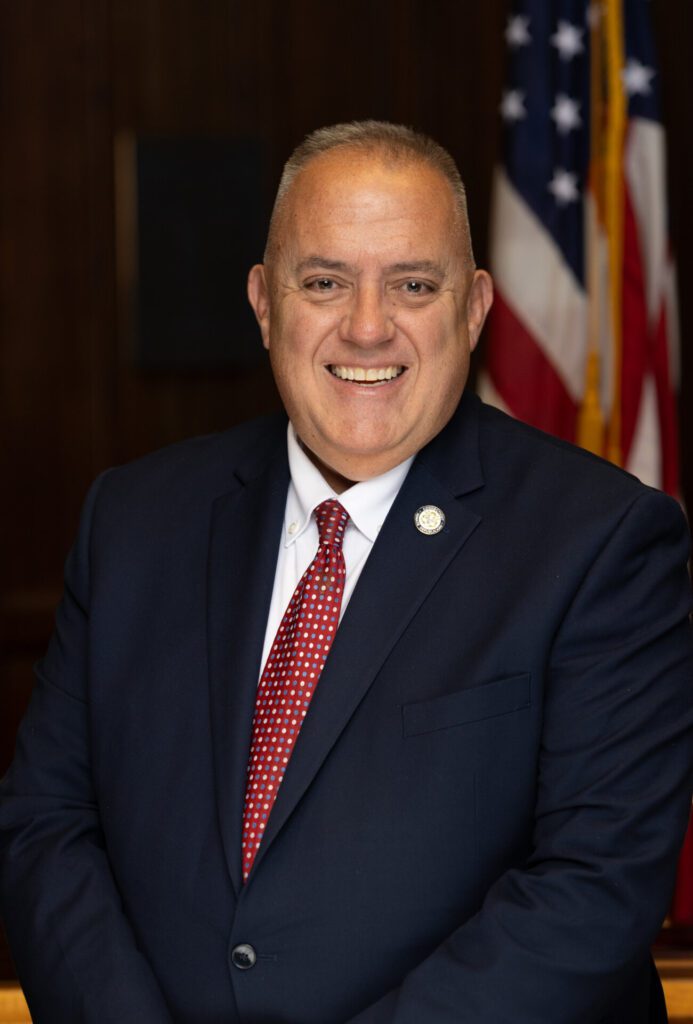
Eric Berthel
Eric Berthel Senate · District 32
R
Strong +
80% 5
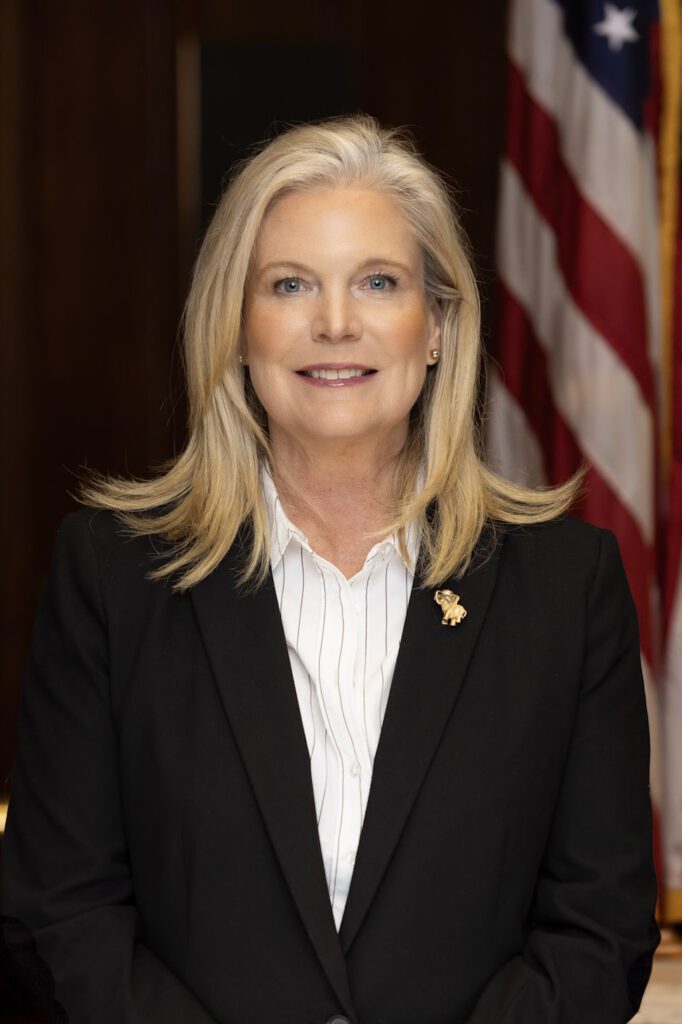
Heather Somers
Heather Somers Senate · District 18
R
Strong +
80% 5
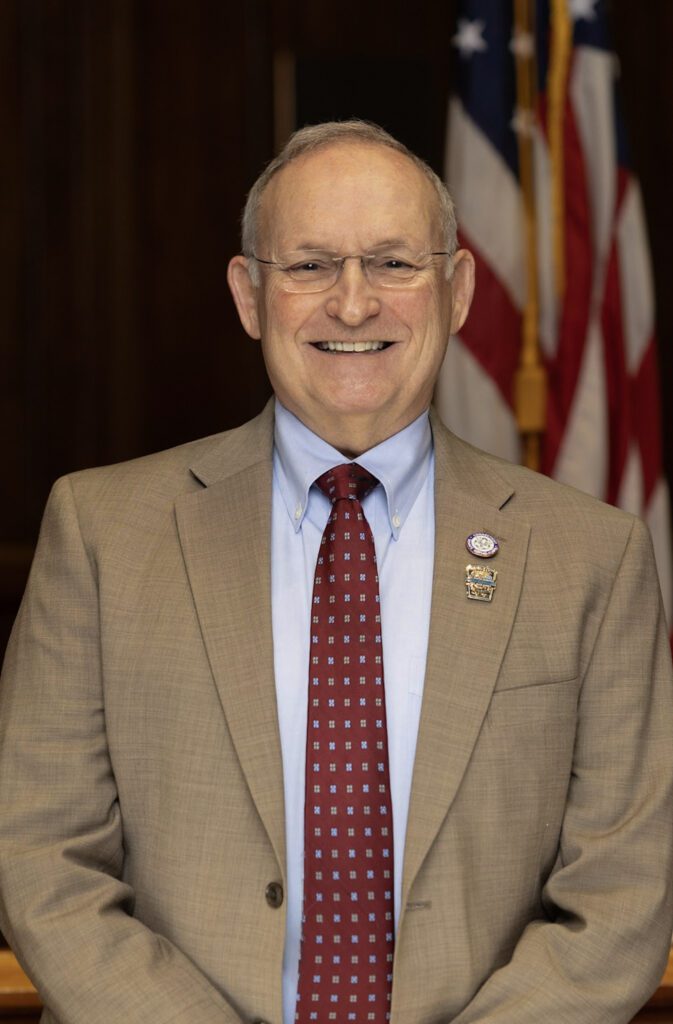
Henri Martin
Henri Martin Senate · District 31
R
Strong +
80% 5
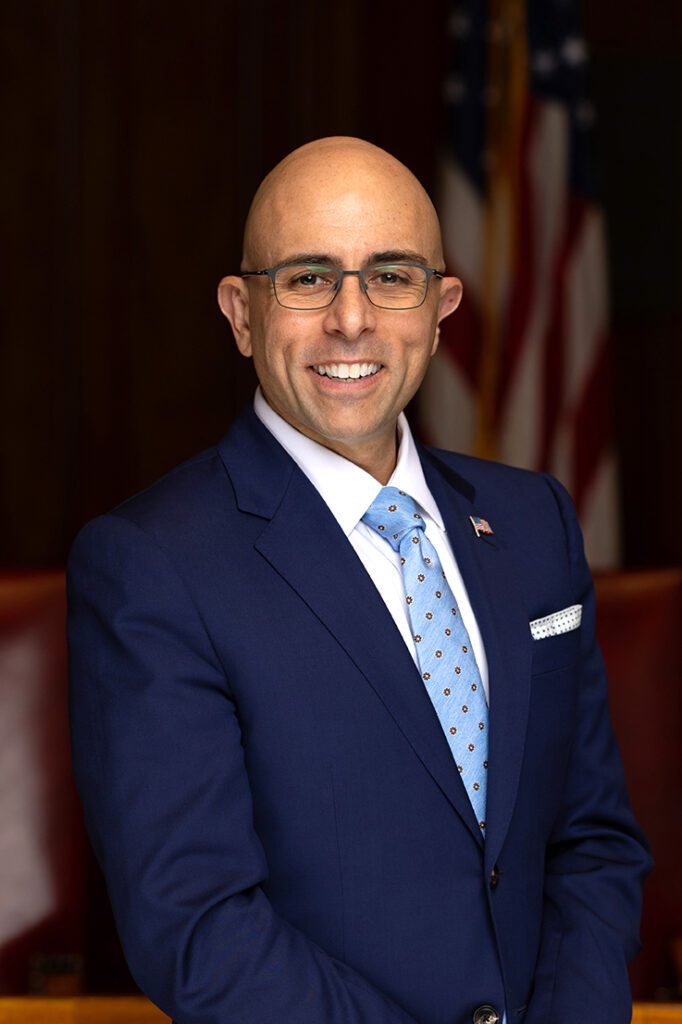
Jason Perillo
Jason Perillo Senate · District 21
R
Strong +
80% 5
Jeff Gordon
Jeff Gordon Senate · District 35
R
Strong +
80% 5
Bob Duff
Bob Duff Senate · District 25
D
Strong −
20% 5
Ceci Maher
Ceci Maher Senate · District 26
D
Strong −
20% 5
Christine Cohen
Christine Cohen Senate · District 12
D
Strong −
20% 5
Derek Slap
Derek Slap Senate · District 5
D
Strong −
20% 5
Doug McCrory
Doug McCrory Senate · District 2
D
Strong −
20% 5
Showing 4 of 4 bills

All criminal justice bills

passed both · Connecticut · Senate May 5, 2026

SB 503: AN ACT CONCERNING SENTENCING OF AND PAROLE ELIGIBILITY FOR INDIVIDUALS WHOSE OFFENSE WAS COMMITTED WHEN SUCH INDIVIDUAL WAS UNDER THE AGE OF TWENTY-SIX YEARS.

This bill establishes parole eligibility rules for individuals convicted of crimes committed after July 1, 1981, who were under 26 years old at the time of the offense. It creates two main categories: those who may be eligible for parole after serving half their sentence, and those convicted of serious violent crimes who must serve 85% of their sentence before becoming eligible. The legislation requires the Board of Pardons and Paroles to hold hearings for certain offenders before releasing them on parole and mandates that the board document specific reasons for denying parole if a hearing is not held. The bill applies to people already incarcerated as of October 1, 1990, and sets specific conditions for residential placement and supervision during parole.
in committee · Connecticut · House Apr 14, 2026

HB 5564: AN ACT CONCERNING VICTIM STATEMENTS AND REQUIREMENTS FOR VICTIM NOTIFICATION.

This bill updates Connecticut law to ensure crime victims have a formal opportunity to address the court before a defendant is sentenced or charges are dismissed. It allows victims, their families, or legal representatives to submit oral or written statements regarding the impact of the crime and their views on penalties. Prosecutors must notify victims of sentencing hearings if they wish to make a statement, and for cases involving peace officer assaults, the officer must be personally notified. Additionally, the bill requires prosecutors to provide victims with written details of proposed plea agreements, including potential prison terms and eligibility for sentence reductions or parole. These changes take effect on October 1, 2026.
in committee · Connecticut · House Apr 13, 2026

HB 5306: AN ACT CONCERNING SENTENCE REDUCTION OR RELIEF FOR SURVIVORS OF DOMESTIC VIOLENCE, SEXUAL ASSAULT, STALKING OR HUMAN TRAFFICKING.

HB 5306 allows courts to reduce sentences for individuals convicted of felonies who were survivors of domestic violence, sexual assault, stalking, or human trafficking, provided the abuse was a contributing factor to their offense. Defendants must submit documented proof (such as court records, protective orders, or counselor affidavits) demonstrating their survivor status and the abuse's role in the crime. Courts must then determine if the abuse was a contributing factor before applying sentence reductions. This applies to all felony convictions where the abuse contributed to the offense, without requiring it to be the sole cause, and takes effect January 1, 2027.
signed · Connecticut · Senate May 26, 2026

SB 90: AN ACT REVISING AND CONSOLIDATING THE HATE CRIMES STATUTES.

SB 90 revises Connecticut's hate crime laws by expanding protected categories and clarifying offenses. It adds "gender identity or expression" and "protective hairstyles" to the list of protected social categories, while updating definitions of disability, religion, and sex. The bill maintains three offense levels: causing physical injury (class C felony, $3,000+ fine), causing physical contact (class D felony, $1,000+ fine), and damaging property (similar penalties), all with mandatory minimum fines. These changes directly affect anyone committing bias-motivated crimes against individuals or groups based on expanded protected categories like gender identity or hairstyle.