Issue · Criminal Justice

Criminal Justice

Every criminal justice bill, vote, and legislator stance in Connecticut, automatically classified by Maddy, our AI policy reader.

Total bills
144
119th Congress
Top supporter
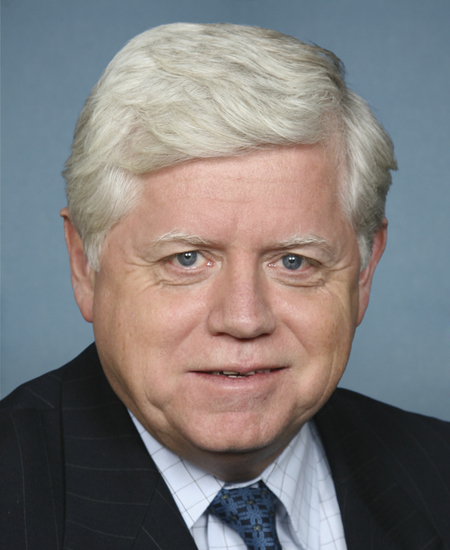
John B. Larson
57% support rate
Top opponent
Richard Blumenthal
16% support rate
Ranked legislators
7
5 support · 2 oppose
Key legislators

Who's moving criminal justice in Connecticut

Legislators moving criminal justice in Connecticut
Legislator Party Stance Support rate Votes
John B. Larson
John B. Larson House · District 1
D
Mixed
57% 151
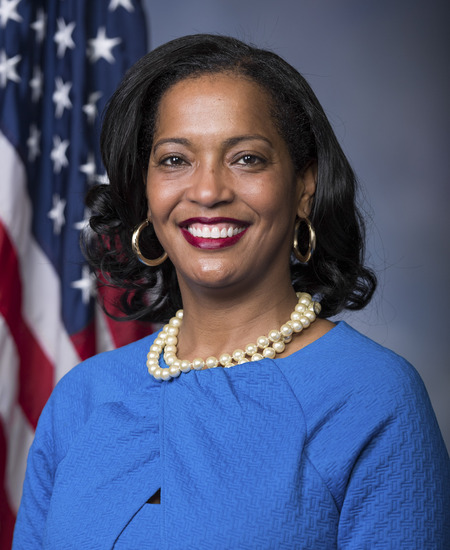
Jahana Hayes
Jahana Hayes House · District 5
D
Mixed
57% 154
Rosa L. DeLauro
Rosa L. DeLauro House · District 3
D
Mixed
53% 153
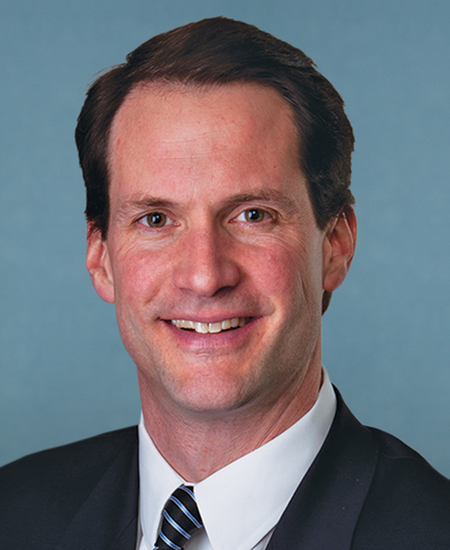
James A. Himes
James A. Himes House · District 4
D
Mixed
52% 152
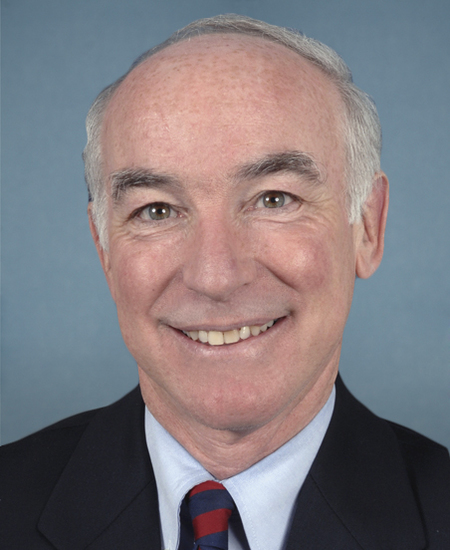
Joe Courtney
Joe Courtney House · District 2
D
Mixed
50% 140
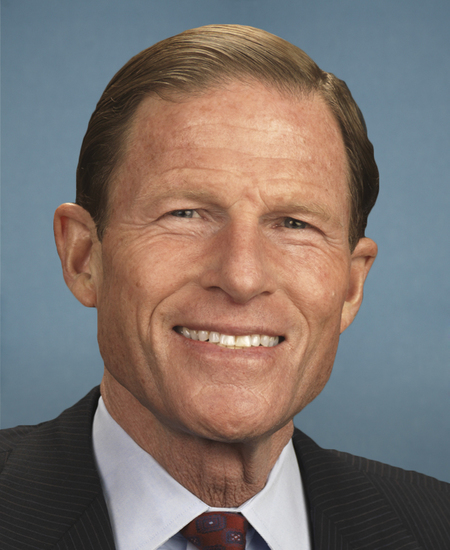
Richard Blumenthal
Richard Blumenthal Senate
D
Strong −
16% 170
Christopher Murphy
Christopher Murphy Senate
D
Oppose
26% 169
Showing 1–10 of 144 bills

All criminal justice bills

in committee · United States · Senate Jul 30, 2026

S 5201: Lori Jackson-Nicolette Elias Domestic Violence Survivor Protection Act

The Lori Jackson-Nicolette Elias Domestic Violence Survivor Protection Act expands federal firearm restrictions to include individuals subject to any domestic violence restraining order, including temporary or emergency orders issued without the abuser's presence. It broadens the legal definition of an "intimate partner" to cover dating partners and other relationships protected by state laws, closing previous loopholes that allowed some abusers to keep guns. The bill also creates a federal grant program for states and tribes to fund the removal, storage, and return of firearms from individuals subject to these orders, requiring them to partner with local domestic violence service providers to ensure victim safety.
in committee · United States · Senate Aug 7, 2026

S 5376: FITNESS Act

The FITNESS Act establishes uniform eligibility standards and mandatory training requirements for all federal law enforcement officers, prohibiting agencies from deploying personnel who have not completed specific academic and use-of-force programs. The bill creates a centralized National Law Enforcement Accountability Database to track officer misconduct and requires agencies to conduct background checks against this database before hiring or promoting candidates. Additionally, it imposes a hiring freeze on U.S. Immigration and Customs Enforcement until all current officers meet the new standards, while also mandating that federal agencies obtain accreditation from the Commission on Accreditation for Law Enforcement Agencies.
in committee · United States · House Jul 21, 2026

HR 9817: Justice for Incarcerated Moms Act

The Justice for Incarcerated Moms Act aims to improve maternal health outcomes for pregnant and postpartum individuals in the criminal justice system by restricting financial incentives for states that use restraints on pregnant inmates. Under the bill, states receiving federal justice grants would face a 25 percent funding penalty if they fail to implement laws limiting the use of shackles on pregnant individuals, with those withheld funds redirected to compliant states. The legislation also directs the Bureau of Prisons and the Department of Justice to create and fund programs in at least six federal facilities and across various state and local prisons that provide specialized prenatal care, mental health support, and reentry assistance. These programs are designed to address specific health disparities, particularly for racial and ethnic minority groups, by offering culturally competent care, nutrition counseling, and opportunities to maintain contact with newborn children. Additionally, the act requires an independent oversight organization to monitor program implementation and mandates a Government Accountability Office report to analyze maternal and infant health data within the correctional system.
in committee · United States · Senate Aug 3, 2026

S 5212: No Payoffs for Pardons Act

The No Payoffs for Pardons Act requires individuals who receive presidential clemency to file financial disclosure reports if they provided gifts or payments worth at least $10,000 to the President, their family members, or related political entities in exchange for that clemency. These reports must detail the nature and value of the benefits provided and will be made publicly available by the Department of Justice, with penalties including fines and imprisonment for those who willfully fail to comply or submit false information. Additionally, the bill updates federal bribery laws to explicitly include executive clemency as a bribe and extends the statute of limitations for prosecuting such bribery cases to ten years. By mandating transparency around the exchange of money for pardons, the legislation aims to prevent the misuse of the pardon power while leaving the President's actual decision-making authority on granting clemency unchanged.
in committee · United States · Senate Jul 20, 2026

S 5033: Judicial FOIA Expansion Act

The Judicial FOIA Expansion Act requires federal courts to release specific records to the public under the Freedom of Information Act. This law mandates the disclosure of attorney disciplinary actions, complaints against judges, meeting minutes, jury selection forms, and performance reports, while explicitly excluding information about ongoing cases. The bill also directs courts to provide this data in machine-readable formats and authorizes $10 million in funding to establish an office within the Administrative Office of the United States Courts to manage these requirements.
Sub-Topics Courts Tags Government Transparency
in committee · United States · House Jul 30, 2026

HR 9983: Lori Jackson-Nicolette Elias Domestic Violence Survivor Protection Act

The Lori Jackson-Nicolette Elias Domestic Violence Survivor Protection Act aims to reduce intimate partner homicides by strengthening federal laws that prevent abusers from accessing firearms while restraining orders are active. It expands the definition of "intimate partner" to include dating partners and clarifies that emergency or temporary restraining orders must also trigger gun restrictions. The bill requires courts to automatically issue firearm surrender orders when a protection order is granted, mandating that abusers turn in their guns within 24 hours and prohibiting them from buying new ones for the duration of the order. Additionally, the legislation creates a new grant program to help states and local governments implement these surrender procedures and partner with domestic violence service providers.
in committee · United States · House Jul 14, 2026

HR 9688: High Court Gift Ban Act

The High Court Gift Ban Act prohibits federal judicial officers from accepting gifts from sources likely to appear before them, unless the gift is under $50, the total annual value from that source remains $100 or less, or it falls under specific exceptions like gifts from relatives or public events. The law defines a "gift" broadly to include items, services, and reimbursements, while allowing exceptions for personal hospitality within IRS limits and certain professional benefits available to the general public. Enforcement mechanisms include referrals to the Attorney General for violations, which can result in civil or criminal penalties similar to those for other federal ethics breaches. The bill requires the Supreme Court and the Judicial Conference to create implementing regulations within 180 days of enactment to ensure compliance.
Sub-Topics Courts
in committee · United States · Senate Jun 24, 2026

S 4926: State Firearms Dealer Licensing Enhancement Act

This bill creates a federal grant program to help states and tribal governments improve their licensing systems for firearms dealers. To qualify for funding, a state or tribe must already require dealers to hold a license, pass an application process, renew their license every three years, and submit to inspections. If a dealer breaks the rules, the state must be able to suspend or revoke their license and impose fines or criminal charges. The Attorney General will award up to $2.5 million per year in competitive grants to eligible applicants who submit plans for developing or improving these programs. Recipients must report annually on the number of inspections, violations, and licenses issued, renewed, or revoked, while the Attorney General will provide a public report on all grants awarded and denied.
Sub-Topics Firearms
in committee · United States · House Feb 4, 2025

HR 923: Stop Arming Cartels Act of 2025

The Stop Arming Cartels Act of 2025 prohibits civilian possession, sale, or transfer of rifles capable of firing .50 caliber ammunition, with exceptions for government use and rifles lawfully owned before the bill's enactment. It requires owners of such rifles to register them with the federal government within 12 months, without fees, and adds these rifles to the National Firearms Act registry. The bill also creates new federal firearm restrictions for significant foreign narcotics traffickers identified under the Foreign Narcotics Kingpin Designation Act and expands reporting requirements for rifle sales to include all rifles. This directly affects civilian rifle owners, sellers, and individuals designated as foreign narcotics traffickers.
in committee · United States · House Jul 7, 2026

HR 9374: Find Our Families Act of 2026

The Find Our Families Act of 2026 requires the Department of Homeland Security to create a public online system that allows families to locate individuals detained by Customs and Border Protection or Immigration and Customs Enforcement. This system must provide search results within eight hours of detention, display information in multiple languages, and include specific details such as names, dates of birth, and facility locations, while excluding data for minors. The bill also mandates that families be notified within five hours if a detainee is transferred for medical care and establishes new reporting requirements for CBP arrests, including details on the circumstances of the arrest and the number of agents involved. Additionally, the legislation creates a process for families to report errors in detainee information and imposes penalties on employees or contractors who fail to comply with these data-sharing and reporting obligations.
Showing 1 to 10 of 144 bills
1 2 3 15 Next