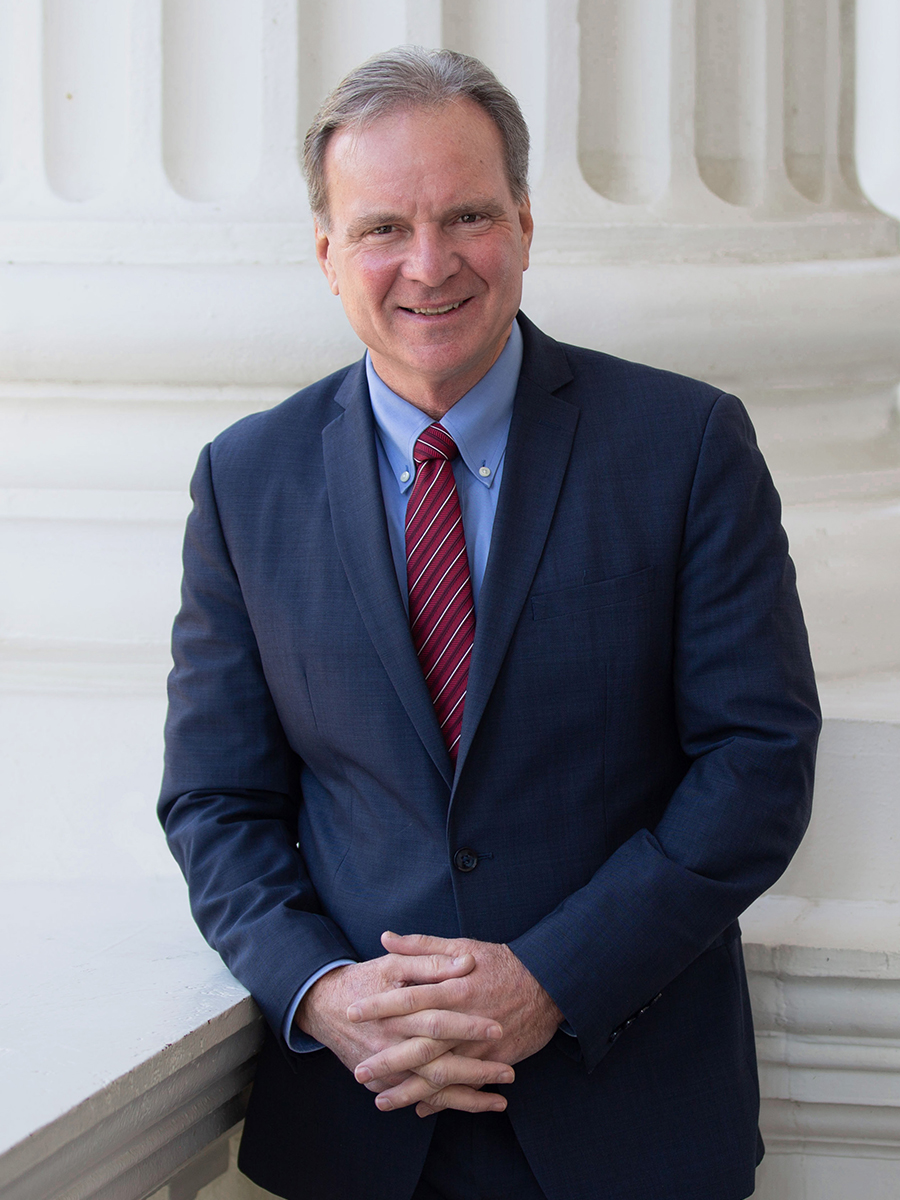
Photo of Dave Cortese
D California Senate · District 15

Sen. Dave Cortese

Compare
Total votes
14,280
all sessions
Attendance
99%
108 missed
Near the chamber average
With party
99%
of cast votes
Near the chamber average
Bipartisan score
0%
crosses aisle rarely
Near the chamber average
Sponsored
463
bills & resolutions
Near the chamber average
Committees
12
assignments
463 bills and resolutions

Sponsored bills

Total
463
Primary
143
Co-sponsor
320
This page
463
matching current filters
Primary SB 1177
Passed · California Senate · Lead sponsor
Wage statements: airline cabin crew employees.

Existing law requires an employer, semimonthly or at the time of payment of wages, to furnish an employee an accurate, itemized, written statement containing specified information regarding the amounts earned, hours worked, and the employee's identity, among other things, subject to certain variations. Existing law provides that an itemized wage statement furnished by an employer pursuant to these provisions is not required to show total hours worked by the employee if, among other things, the employee is exempt from the payment of minimum wage and overtime under specified law. Existing federal law, the Railway Labor Act, regulates labor relations for rail and air carriers and entitles employees to organize and bargain collectively. This bill would provide that an itemized wage statement may, in lieu of total hours worked, show all applicable hourly rates in effect during the pay period and the corresponding number of hours worked at each hourly rate if the employee is a flight deck crewmember or cabin crewmember covered by the federal Railway Labor Act and the employer makes available certain information regarding duty hours in accordance with federal regulations, as specified. The bill would also provide that an itemized wage statement may not be required to show the number of piece-rate units earned and any applicable piece rate for a covered employee under specified circumstances. The bill would prohibit a person, commencing June 11, 2026, from filing a new legal action by or on behalf of a crewmember asserting specified violations of the wage statement requirements.

Passed Jun 18, 2026 0 co-sponsors
Co-sponsor SB 1422
In committee · California Senate · Co-sponsor
Medi-Cal: eligibility: immigration status.

Existing law establishes the Medi-Cal program, which is administered by the State Department of Health Care Services and under which qualified low-income individuals receive health care services. The Medi-Cal program is, in part, governed and funded by federal Medicaid program provisions. Existing law sets a schedule of benefits that are covered by the Medi-Cal program. The federal Medicaid program prohibits payment to a state for medical assistance furnished to an alien who is not lawfully admitted for permanent residence or otherwise permanently residing in the United States under color of law. Existing state law extends Medi-Cal eligibility for the full scope of Medi-Cal benefits to individuals who do not have satisfactory immigration status if they are otherwise eligible for those benefits, with the exception of specified dental benefits for individuals who are 19 years of age or older. Existing law makes an individual who is 19 years of age or older, who does not have satisfactory immigration status, and who applies for Medi-Cal on or after January 1, 2026, or loses eligibility for eligibility for full-scope Medi-Cal on or after January 1, 2026, eligible only for pregnancy-related services and emergency medical treatment. Existing law, beginning no sooner than July 1, 2027, as specified, requires individuals who do not have satisfactory immigration status, who are not pregnant, and who are 19 to 59 years of age, inclusive, to pay a monthly premium of $30, subject to certain exceptions. This bill would require the Director of the Department of Finance to determine and report to the Legislature and the Governor the cost of implementing eligibility for the full scope of Medi-Cal benefits for individuals who do not have satisfactory immigration status if they are otherwise eligible, and whether including those costs the General Fund would be in a deficit, as defined. The bill would then, on January 1 of the year following such a determination, end the above-described limitations on services for those who apply for Medi-Cal after January 1, 2026, or who lose eligibility for the full-scope of Medi-Cal benefits on or after January 1, 2026, thereby making an individual who is 19 years of age or older, who does not have satisfactory immigration status, eligible for the full scope of Medi-Cal benefits subject to certain limitations, such as the payment of premiums and certain dental benefits. The bill would require that the implementation of eligibility for the full-scope of Medi-Cal benefits be done by groups categorized by age, beginning with individuals over 49 years of age. Because counties are required to make Medi-Cal eligibility determinations and this bill would alter Medi-Cal eligibility, the bill would impose a state-mandated local program. The California Constitution requires the state to reimburse local agencies and school districts for certain costs mandated by the state. Statutory provisions establish procedures for making that reimbursement. This bill would provide that, if the Commission on State Mandates determines that the bill contains costs mandated by the state, reimbursement for those costs shall be made pursuant to the statutory provisions noted above.


In committee Jun 8, 2026 1 co-sponsor
Co-sponsor SCR 167
Signed into law · California Senate · Co-sponsor
Relative to Mother's Day.

This measure would recognize May 10, 2026, as the 119th annual Mother's Day and would urge all Californians to recognize, appreciate, and be grateful for the gifts and good works of mothers on that day.

Signed into law May 29, 2026 1 co-sponsor
Co-sponsor SCR 168
Signed into law · California Senate · Co-sponsor
Relative to Motorcycle Safety Awareness Month in California.

Maddy summaryThis bill designates May 2026 as Motorcycle Safety Awareness Month in California. It affects state agencies and organizations that typically host public awareness campaigns or educational events. The measure requires no changes to existing laws or regulations; it simply establishes a specific timeframe for promoting motorcycle safety. By creating this designated month, the state provides a formal opportunity to focus public attention on rider safety without altering current legal requirements.

Signed into law May 29, 2026 1 co-sponsor
Primary SCR 157
Signed into law · California Senate · Lead sponsor
Relative to School Bus Drivers' Day.

This measure would designate April 28, 2026, as School Bus Drivers' Day in California, in order to draw special public attention to school bus drivers for their continued and excellent services to pupils in California.

Signed into law May 21, 2026 0 co-sponsors
Co-sponsor SCR 130
Signed into law · California Senate · Co-sponsor
Relative to Child Abuse Prevention Month.

Maddy summaryThis bill designates April 2026 as Child Abuse Prevention Month to raise awareness about preventing child abuse. The measure does not change laws or allocate funding but instead directs state agencies to acknowledge the month through official proclamations. By recognizing this period, the legislature aims to highlight the importance of child safety without altering existing policies.

Signed into law May 21, 2026 1 co-sponsor
Co-sponsor SR 105
Passed · California Senate · Co-sponsor
Relative to National Tennis Month.

Maddy summaryThis Senate Resolution officially designates the month of May as National Tennis Month in California to honor the sport's history and growing popularity. The measure recognizes the United States Tennis Association's efforts to promote health, education, and inclusivity through local programs and adaptive grants. By acknowledging these contributions, the resolution aims to encourage community facilities and organizations to highlight tennis opportunities for people of all ages and abilities. The text serves as a formal declaration rather than a law that changes funding or regulations.

Passed May 18, 2026 1 co-sponsor
Co-sponsor SB 1343
In committee · California Senate · Co-sponsor
Income tax credit: sales and use tax paid: natural disasters.

Existing state sales and use tax laws impose a tax on retailers measured by the gross receipts from the sale of tangible personal property sold at retail in this state of, or on the storage, use, or other consumption in this state of, tangible personal property purchased from a retailer for storage, use, or other consumption in this state. The California Emergency Services Act authorizes the Governor to proclaim a state of emergency in an area affected, or likely to be affected, thereby if certain criteria are met, including there are conditions of disaster or of extreme peril to the safety of persons and property within the state caused by conditions such as air pollution, fire, flood, storm, epidemic, riot, drought, cyberterrorism, sudden and severe energy shortage, electromagnetic pulse attack, or plant or animal infestation or disease. The Personal Income Tax Law and the Corporation Tax Law allow various credits against the taxes imposed by those laws. This bill would allow, for taxable years beginning on or after January 1, 2027, and before January 1, 2032, a credit against those taxes to a qualified taxpayer, as defined, in an amount equal to qualified tax payments made during the taxable year, subject to certain limitations. The bill would define "qualified tax payment" to mean an unreimbursed sales or use tax payment paid or incurred by the qualified taxpayer in the taxable year for certain tangible personal property purchased proximate to the date upon which a natural disaster destroyed a qualified taxpayer's principal residence, major appliances, or residential furniture to replace those items, as specified. Existing law requires any bill authorizing a new tax expenditure to contain, among other things, specific goals that the tax expenditure will achieve, detailed performance indicators, and data collection requirements. This bill also would include additional information required for any bill authorizing a new tax expenditure. This bill would take effect immediately as a tax levy.

In committee May 14, 2026 1 co-sponsor
Co-sponsor SB 1319
In committee · California Senate · Co-sponsor
California Public Records Act: public investment funds.

The California Public Records Act (act) requires state and local agencies to make their records available for public inspection, unless an exemption from disclosure applies. The act exempts from disclosure certain records regarding alternative investments in which public investment funds invest, including records containing information regarding the portfolio positions in which alternative investment funds invest. The act, however, requires certain information contained in those records to be disclosed, including, among other things, the name, address, and vintage year of each alternative investment vehicle. The act defines various terms for these purposes. This bill would additionally require the disclosure of certain additional information, including, among other things, the name of each general partner or manager of each alternative investment vehicle and of each person with a direct or indirect interest in the general partner or manager. The bill would except this information contained in those records subject to disclosure, as provided, from the records containing information regarding the portfolio positions described above that are exempt from disclosure. By placing additional duties and responsibilities upon local agencies in connection with requests for inspection of records, the bill would impose a state-mandated local program. The California Constitution requires local agencies, for the purpose of ensuring public access to the meetings of public bodies and the writings of public officials and agencies, to comply with a statutory enactment that amends or enacts laws relating to public records or open meetings and contains findings demonstrating that the enactment furthers the constitutional requirements relating to this purpose. This bill would make legislative findings to that effect. The California Constitution requires the state to reimburse local agencies and school districts for certain costs mandated by the state. Statutory provisions establish procedures for making that reimbursement. This bill would provide that no reimbursement is required by this act for a specified reason.

In committee May 14, 2026 1 co-sponsor
Showing 61 to 70 of 463 bills
Previous 1 6 7 8 47 Next