

The Dixon-Zenovich-Maddy California Arts Act of 1975 establishes the Arts Council, consisting of 11 appointed members. The act specifies the duties of the council, including providing for the exhibition of art works in public buildings throughout California. Existing law establishes the Office of Small Business Advocate within the Governor's Office of Business and Economic Development. Existing law authorizes the Governor to appoint the Director of the Office of Small Business Advocate who serves as the Small Business Advocate. Existing law requires the advocate to serve as the principal advocate in the state on behalf of small businesses, to represent the views and interests of small businesses before other state agencies, and to enlist the cooperation and assistance of public and private agencies, businesses, and other organizations in disseminating information about the programs and services provided by state government that are of benefit to small businesses, among other things. This bill would create in the State Treasury the Performing Arts Equitable Payroll Fund. The bill would require the Office of Small Business Advocate to establish and administer a grant program, funded by the Performing Arts Equitable Payroll Fund, upon appropriation by the Legislature, for the purpose of enabling small nonprofit performing arts organizations, as defined, to hire and retain employees. The bill would limit the eligibility of applicants for the grant program to applicants that submit specified information, and, in some cases, information that has been attested to, including founding documents for the organizations, various policies and statements of the organization, financial records of the organization, or of its fiscal sponsor; and evidence of its production and advertisement of performing arts events that it has made open to the public. The bill would exclude various organizations from eligibility, as specified. The bill would require any recipient of the grant to provide the office with certified information, including certification that the grant funds were used for only the specified purposes allowed by these provisions; organizational information including venue size where applicable, annual budget, the number of employees and independent contractors in the last budget year, and the percentage of budget spent on payroll expenses; and certification that there have been no final judgments relating to employee misclassification at any time after the effective date of these provisions. This bill would require the office to adopt regulations as necessary for ensuring that grant recipients have not used moneys for other purposes and for validating the accuracy of certifications provided. The bill would authorize the office to distribute the grant according to a specified schedule that assigns a percentage of the first $10,000 of payroll expenses to be reimbursed based on the adjusted gross revenue, as defined, of the grant recipient organization per employee per quarter.
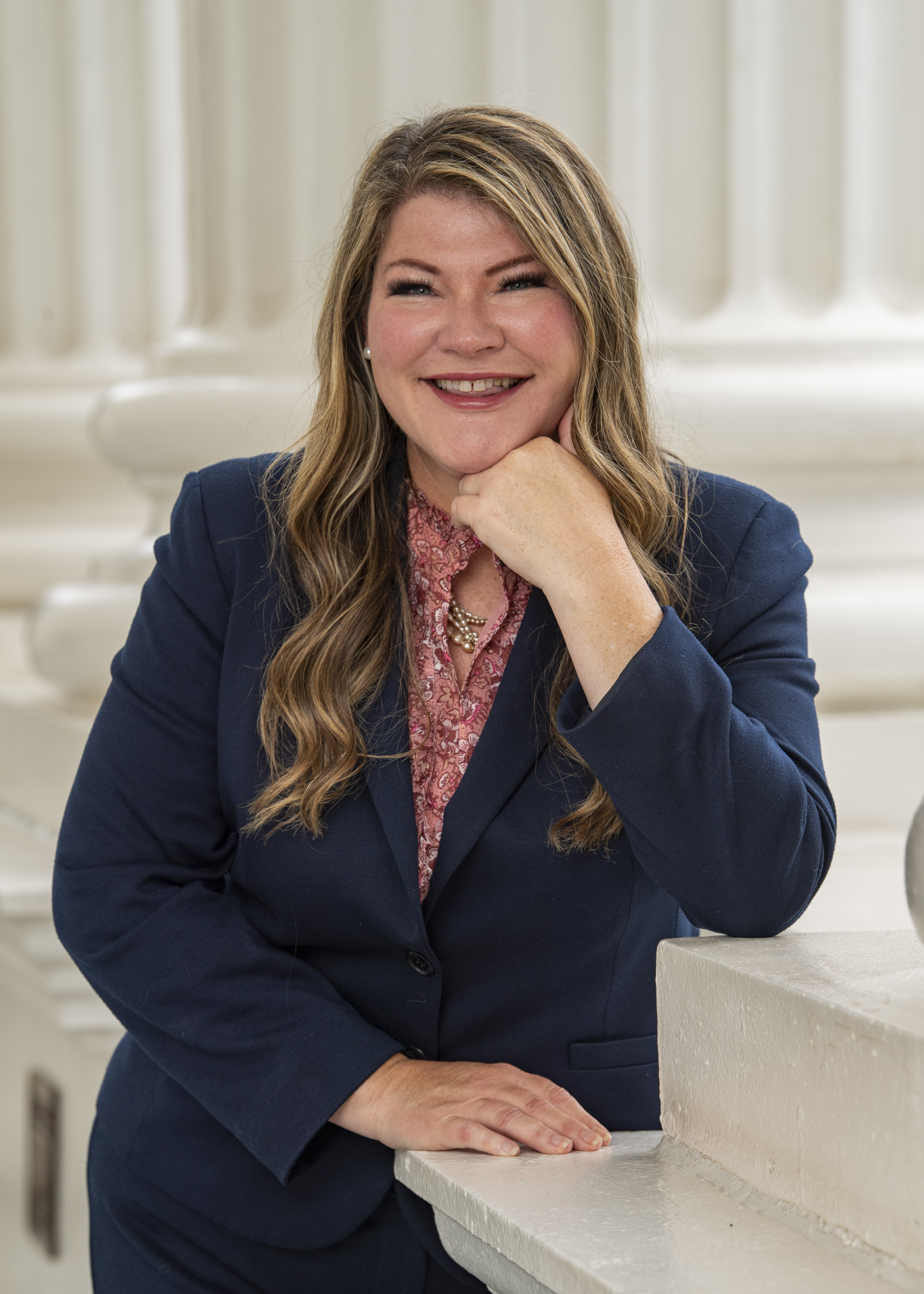
Asm. Tasha Boerner
Sponsored bills
Existing law establishes and regulates the state prison for the confinement of persons convicted of certain felony offenses. Existing law also regulates county jails used for the confinement of persons awaiting trial and persons convicted of misdemeanors and certain felony offenses. Existing law establishes the Board of State and Community Corrections to provide statewide leadership, coordination, and technical assistance to promote effective state and local efforts and partnerships in California's adult and juvenile criminal justice system. The duties of the board, among others, include establishing standards for local correctional facilities and correctional officers. Under existing law, the board is composed of 13 members, as specified. This bill would, commencing July 1, 2023, add 2 additional members to the board, a licensed health care provider and a licensed mental health care provider, each appointed by the Governor, subject to confirmation by the Senate. The bill would also, commencing July 1, 2023, require the board to develop and adopt regulations pertaining to standards of care for incarcerated persons with mental health issues by local correctional facilities, including requirements for training of correctional staff, requirements for mental health screening, and requirements for safety checks of incarcerated persons.
Existing law states the Legislature's intention that a county or city general plan and the elements and parts of that general plan comprise an integrated, internally consistent and compatible statement of policies for the adopting agency. This bill would emphasize the intent of the Legislature to support and encourage communities in reaching environmental and climate change objectives with these provisions. Existing law, the Planning and Zoning Law, requires the legislative body of a city or county to adopt a comprehensive general plan that includes various elements, including a circulation element. Existing law requires the circulation element to consist of the general location and extent of existing and proposed major thoroughfares, transportation routes, terminals, any military airports and ports, and other local public utilities and facilities. Existing law requires the legislative body, upon any substantive revision of the circulation element, to modify the circulation element to plan for a balanced, multimodal transportation network that meets the needs of all users of streets, roads, and highways for safe and convenient travel in a manner that is suitable to the rural, suburban, or urban context of the general plan. Existing law defines "users of streets, roads, and highways" to mean bicyclists, children, persons with disabilities, motorists, movers of commercial goods, pedestrians, users of public transportation, and seniors. This bill would require the legislative body, upon any substantive revision of the circulation element, on or after January 1, 2025, to incorporate the principles of the Federal Highway Administration's Safe System Approach and to develop bicycle plans, pedestrian plans, and traffic calming plans based on the policies and goals in the circulation element that, among other things, sets goals for initiation and completion of all actions identified in the plans within 25 years of the date of adoption of the modified circulation element, as specified. By adding to the duties of county and city officials in the administration of their land use planning duties, this bill would impose a state-mandated local program. This bill would require a county or city to begin implementation of the plan within 2 years of the date of adoption of the plan, to regularly review its progress towards completing implementation of the modified circulation element, and to consider revising the circulation element if it determines it will not reach the goals of the bicycle, pedestrian, or traffic calming plans within 25 years of the date of adoption of the modified circulation element. This bill would state the intent of the Legislature that cities and counties use existing transportation funding to achieve the goals of these provisions. The bill would define various terms for its purposes. The California Constitution requires the state to reimburse local agencies and school districts for certain costs mandated by the state. Statutory provisions establish procedures for making that reimbursement. This bill would provide that no reimbursement is required by this act for a specified reason.
Existing law, the California Building Standards Law, establishes the California Building Standards Commission within the Department of General Services. Existing law requires the commission to approve and adopt building standards and to codify those standards in the California Building Standards Code. Existing law requires the Department of Housing and Community Development to propose to the commission for consideration mandatory building standards for the installation of future electric vehicle charging infrastructure for parking spaces in multifamily dwellings, as specified. Existing law requires the commission to adopt, approve, codify, and publish mandatory building standards for the installation of electric vehicle charging infrastructure for parking spaces in multifamily dwellings and nonresidential development. This bill would, commencing with the next triennial edition of the California Building Standards Code, require the commission and the Department of Housing and Community Development to research and develop, and authorize the commission and department to propose for adoption, mandatory building standards for the installation of electric vehicle charging stations with low power level 2 or higher electric vehicle chargers in existing multifamily dwellings, hotels, motels, and nonresidential development during certain retrofits, additions, and alterations to existing parking facilities, as specified. This bill would require the Department of Housing and Community Development and the commission to review those building standards every triennial code cycle and update those building standards until specified goals are met, as specified. The bill would make related findings and declarations. The bill would repeal these provisions on January 1, 2033.
Existing law establishes the Air Quality Improvement Program that is administered by the State Air Resources Board for the purposes of funding projects related to, among other things, the reduction of criteria air pollutants and improvement of air quality. Pursuant to its existing statutory authority, the state board has established the Clean Vehicle Rebate Project, as a part of the Air Quality Improvement Program, to promote the production and use of zero-emission vehicles by providing rebates for the purchase of new zero-emission vehicles. Existing law specifies the types of projects eligible to receive funding under the program. This bill would specify projects providing incentives for purchasing electric bicycles, as defined, as projects eligible for funding under the program. The bill would establish an Electric Bicycle Incentives Project to provide incentives, in the form of vouchers, to income-qualified individuals for the purchase of electric bicycles, as provided.
Existing law establishes the State Lands Commission in the Natural Resources Agency. Existing law authorizes the commission to lease tide and submerged lands and beds of navigable rivers and lakes for purposes of the extraction of oil and gas, as provided. Existing law prohibits a state agency or state officer from entering into any new lease for the extraction of oil or gas from the California Coastal Sanctuary, except as provided. This bill would, contingent upon an appropriation of funds by the Legislature for this purpose, require the commission to develop, on or before December 31, 2024, a cost study that evaluates the fiscal impact of a voluntary relinquishment of any lease interests in actively producing state offshore oil and gas leases in state waters, as provided. The bill would require the commission, on or before December 31, 2023, to hold at least one public hearing related to the cost study, as provided. The bill would require the commission, on or before December 31, 2023, to submit a status update on the cost study to the Governor and the Legislature, as provided. The bill would require the commission, on or before December 31, 2024, to submit the cost study to the Governor and the Legislature, as provided. The bill would require the commission to make the cost study available on its internet website.
Existing law generally regulates gun shows and events and requires a person producing, sponsoring, operating, or otherwise organizing a gun show or event to possess a valid certificate of eligibility from the Department of Justice. Existing law requires the producer of a gun show or event to post specified notices at each public entrance to the event, and a specified notice in the parking lot. A violation of this requirement or other requirements is punishable as a misdemeanor and makes a person ineligible for a certificate of eligibility for a period of one year. This bill would require additional notices relating to the storage, handling, purchase, and theft of firearms to be posted at each public entrance to the event. This bill would also double the maximum fines for a violation of this and other requirements and make the person ineligible for a certificate of eligibility for a period of 2 years. By expanding an existing crime, this bill would impose a state-mandated local program. Existing law requires a vendor at a gun show or event to make certain certifications, in writing, to the producer, including that they will not display, possess, or offer for sale any firearms, ammunition, knives, or weapons for which possession or sale is prohibited and that they will process any firearm transactions through a licensed dealer. This bill would additionally require a vendor to certify that they will not display, possess, or offer for sale any unserialized frame or receiver, including an unfinished frame or receiver or any handgun conversion kits, as specified. Under existing law, a violation of this and other requirements is punishable as an infraction or misdemeanor, as specified. This bill would add a fine and a suspension from participating as a vendor for a period of one year to the punishment for these violations. By expanding the application of existing crimes, this bill would impose a state-mandated local program. Existing law, commencing July 1, 2022, authorizes the Department of Justice to inspect any firearms dealers, ammunition vendors, or manufacturers participating in a gun show or event to ensure that firearms and ammunition transfers or sales are conducted in accordance with applicable state and federal laws. This bill would authorize the Department of Justice to also inspect any firearm precursor part vendors participating in a gun show or event. The bill would, commencing July 1, 2023, require the department to conduct enforcement and inspections at a minimum of one-half of all gun shows or events in the state to ensure compliance with gun show and event laws. The bill would also require the department to post certain violations discovered on their internet website and would require the department to submit an annual report to the Legislature summarizing their enforcement efforts. The California Constitution requires the state to reimburse local agencies and school districts for certain costs mandated by the state. Statutory provisions establish procedures for making that reimbursement. This bill would provide that no reimbursement is required by this act for a specified reason.
Existing law, the Mello-Granlund Older Californians Act, establishes the California Department of Aging in the California Health and Human Services Agency, and sets forth its mission to provide leadership to the area agencies on aging in developing systems of home- and community-based services that maintain individuals in their own homes or least restrictive homelike environments. Existing law requires the department to administer and implement the Aging and Disability Resource Connection program, in collaboration with the Department of Rehabilitation and the State Department of Health Care services. This bill would establish the Dementia Care Navigator Grant Pilot Program, to be administered by the California Department of Aging, in partnership with organizations with expertise using community health workers, promotores, and health navigators. The bill would provide that the purpose of the pilot program is to incentivize organizations that provide services to local communities to provide dementia care navigation training services, as defined. The bill would authorize organizations with expertise using community health workers, promotores, and health navigators to apply for a grant. The bill would require the department to award grants on a competitive basis. The bill would require an organization that receives a grant pursuant to these provisions to provide to the department an annual report on the services provided on or before December 31 of the year the grant is received, as specified. The bill would make those provisions inoperative on July 1, 2027. The bill would also require the department to provide a report to the relevant policy committees of the Legislature on or before December 1, 2027. Implementation of these provisions would be contingent upon an appropriation and the provisions would repeal on January 1, 2028. The bill would make related findings and declarations.
Existing law prohibits a business establishment from discriminating against a person because of the person's gender with respect to the price charged for services of similar or like kind. Existing law also requires specified business establishments to disclose in writing the pricing for each standard service, as defined, to display, in a specified manner, a sign stating that it is illegal to base pricing on gender and that a complete price list is available upon request, and to display, in a specified manner, a price list, and to provide the customer with a copy of the complete price list upon request. This bill would prohibit a person, firm, partnership, company, corporation, or business from charging a different price for any 2 goods that are substantially similar, as defined, if those goods are priced differently based on the gender of the individuals for whom the goods are marketed and intended. The bill would authorize the Attorney General to seek an injunction to enjoin and restrain the continuance of those violations, and would authorize the court, in addition to granting the injunction, to impose a civil penalty, as specified.
Existing law authorizes area agencies on aging and other county agencies that provide services to older adults through an established multidisciplinary team to provide information regarding older adult clients only to other county agencies with staff designated as members of a multidisciplinary team that are, or may be, providing services to the same individuals for purposes of identifying and coordinating the treatment of individuals served by more than one agency. This bill would specifically authorize an area agency on aging or a county, or both, to establish an aging multidisciplinary personnel team, as defined, with the goal of facilitating the expedited identification, assessment, and linkage of older adults to services and to allow provider agencies and members of the personnel team to share confidential information, as specified, for the purpose of coordinating services. Under the bill, any discussion relative to the disclosure or exchange of the information or writings during a team meeting would be confidential and testimony concerning that discussion would not be admissible in any criminal, civil, or juvenile court proceeding. The bill would require the sharing of information permitted under these provisions to be governed by protocols developed by each area agency on aging or county, as specified, and would require each area agency on aging or county to provide a copy of its protocols to the California Department of Aging. The bill would require the protocols to include a requirement that, unless otherwise permitted by law, an area agency on aging or county obtain the affirmative consent of an individual or their representative before the individual's information is shared and a requirement to notify an individual, among other things, that they may opt out of sharing information at any time. This bill would authorize the aging multidisciplinary personnel team to designate qualified persons to be members of the team for a particular case and would require every member who receives information or records regarding adults and families in their capacity as a member of the team to be under the same privacy and confidentiality obligations and subject to the same confidentiality penalties as the person disclosing or providing the information or records. The bill would also require the information or records to be maintained in a manner that ensures the maximum protection of privacy and confidentiality rights. Existing constitutional provisions require that a statute that limits the right of access to the meetings of public bodies or the writings of public officials and agencies be adopted with findings demonstrating the interest protected by the limitation and the need for protecting that interest. This bill would make legislative findings to that effect. The California Constitution provides for the Right to Truth-In-Evidence, which requires a 23 vote of each house of the Legislature to exclude any relevant evidence from any criminal proceeding or any trial or hearing of a juvenile for a criminal offense, as specified. Because this bill would exclude from a criminal or juvenile court proceeding any discussion relative to the disclosure or exchange of information or writings during an aging multidisciplinary personnel team meeting, which would otherwise be admissible, it requires a 23 vote of each house of the Legislature.