

Passed Sep 6, 2023
1 co-sponsor
D
California Assembly
·
District 67
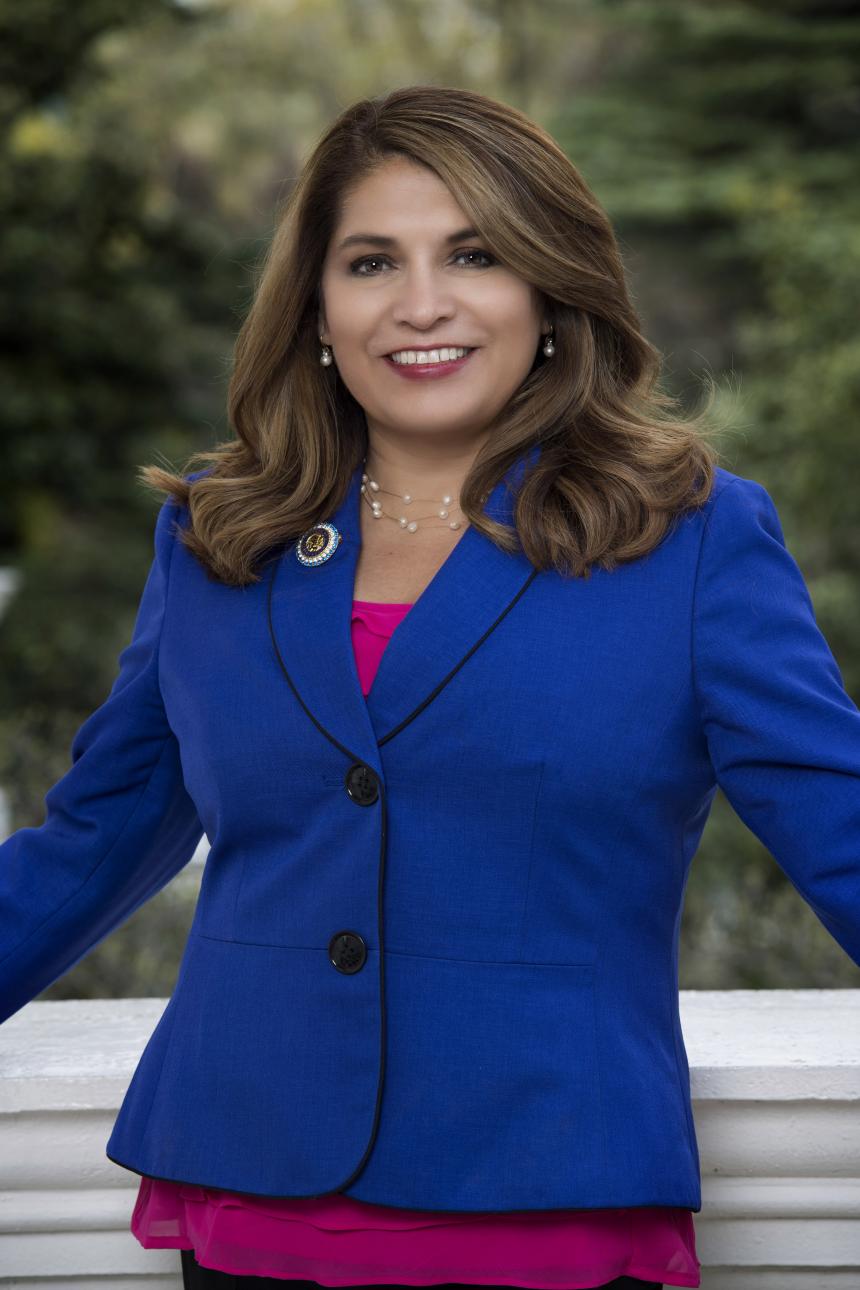
Asm. Sharon Quirk-Silva
Total votes
25,250
all sessions
Attendance
94%
1,303 missed
Near the chamber average
With party
98%
of cast votes
Higher than 76% of chamber peers
Bipartisan score
1%
crosses aisle rarely
Lower than 81% of chamber peers
Sponsored
2,398
bills & resolutions
Near the chamber average
Committees
15
assignments
2,398 bills and resolutions
Sponsored bills
Total
2,398
Primary
286
Co-sponsor
2,112
This page
2,398
matching current filters
Relative to the 50th anniversary of hip hop.
This measure would recognize the 50th anniversary of hip hop on August 11, 2023, as a time of celebration, pride, and nostalgia for the citizens of California.
Signed into law Sep 5, 2023
1 co-sponsor
Passed Sep 5, 2023
1 co-sponsor
School facilities: School Extreme Heat Action Plan Act of 2023.
Existing law, the California Child Day Care Facilities Act, provides for the licensure and regulation of child daycare facilities, daycare centers, and family daycare homes by the State Department of Social Services. The act exempts from its provisions certain types of these facilities and certain programs, including, among others, a California state preschool program operated by a local educational agency under contract with the State Department of Education and that meets specified conditions and operates in a school building. Existing law requires the governing board of any school district to, among other things, repair its school property. This bill, the School Extreme Heat Action Plan Act of 2023, would, among other things, require all schoolsites, as defined, the next time outdoor surfaces are resurfaced or replaced at the schoolsite, to replace low specific heat surfaces, such as cement, asphalt, brick, pebbles, sand, aggregates, rubber, and synthetic turf, with high specific heat surfaces, such as cool pavement technologies, natural grass, shrubs, trees, wood chips, or other natural systems that mitigate heat and pollution, as provided. The bill would require all schoolsite decisionmaking personnel involved in the replacement or resurfacing of outdoor surfaces at a schoolsite to be trained in extreme heat mitigation measures. By imposing additional duties on local educational entities, the bill would impose a state-mandated local program. This bill would require the State Department of Education, in consultation with the State Department of Social Services, as appropriate, to develop a template for an extreme heat action plan to be used by schoolsites, and to make a model program guidebook available to schoolsites and establish a process for systematically updating the guidebook and supporting documentation. The bill would require the State Department of Social Services to identify a liaison for child daycare facilities, as defined, for these purposes. This bill would, on or before January 1, 2025, require all schoolsites, as defined, to develop an extreme heat action plan, as specified. The bill would require the plan to address the installation or planting of (1) shade trees or mini-forests, positioned on schoolsites where pupils can access them when in attendance, (2) school garden infrastructure and plantings, and (3) green barriers between the schoolsite and any adjacent high-polluting streets or commercial projects. By imposing additional duties on local educational entities, the bill would impose a state-mandated local program. This bill would also require, on or before January 1, 2027, schoolsites to begin implementation of their extreme heat action plan. The bill would make implementation of the plan contingent upon appropriation by the Legislature. By imposing additional duties on local educational entities, the bill would impose a state-mandated local program. The California Constitution requires the state to reimburse local agencies and school districts for certain costs mandated by the state. Statutory provisions establish procedures for making that reimbursement. This bill would provide that, if the Commission on State Mandates determines that the bill contains costs mandated by the state, reimbursement for those costs shall be made pursuant to the statutory provisions noted above.
Passed Sep 1, 2023
1 co-sponsor
Public restrooms.
Existing law requires every public agency, as defined, that conducts an establishment serving the public or open to the public and that maintains restroom facilities for the public, to make every water closet available without cost or charge, as provided. Existing law also requires publicly and privately owned facilities where the public congregates to be equipped with sufficient temporary or permanent restrooms to meet the needs of the public at peak hours. This bill would require each local government, as defined, to complete an inventory of public restrooms owned and maintained by the local government, either directly or by contract, that are available to the general population in its jurisdiction by July 1, 2024. The bill would require local governments to report their findings to the State Department of Public Health, which would be required to compile the information and to report the availability of public restrooms to the Legislature by March 1, 2025, as specified. The bill would require the Legislature to consider the report when evaluating the public's access to reliable public restrooms. The bill would include findings that changes proposed by this bill address a matter of statewide concern rather than a municipal affair and, therefore, apply to all cities, including charter cities. By imposing additional duties on local governments, this bill would impose a state-mandated local program. The California Constitution requires the state to reimburse local agencies and school districts for certain costs mandated by the state. Statutory provisions establish procedures for making that reimbursement. This bill would provide that, if the Commission on State Mandates determines that the bill contains costs mandated by the state, reimbursement for those costs shall be made pursuant to the statutory provisions noted above.
Passed Sep 1, 2023
0 co-sponsors
Pupil health: drug education: opioid overdose training program.
Existing law requires instruction to be given in the elementary and secondary schools by appropriately trained instructors on drug education and the effects of the use of tobacco, alcohol, narcotics, dangerous drugs, as defined, and other dangerous substances. Existing law authorizes a public or private elementary or secondary school to determine whether or not to make emergency naloxone hydrochloride or another opioid antagonist and trained personnel available at its school, and to designate one or more volunteers to receive related training to address an opioid overdose, as specified. This bill would require those school districts, county offices of education, and charter schools that voluntarily determine to make naloxone hydrochloride or another opioid antagonist available on campus to ensure that the naloxone hydrochloride or another opioid antagonist is placed in an appropriate location that is widely known and easily accessible, both during school hours and after school hours. The bill would require the naloxone hydrochloride or another opioid antagonist to be located on campus grounds in at least one of several specified locations. This bill would require the State Department of Public Health to develop an opioid overdose training program and program toolkit, as defined, to be made available to public high schools for public high school pupils to be trained on how to identify and respond to an opioid overdose, including by administering a federally approved opioid overdose reversal medication, as provided. The bill would require the department, by April 1, 2025, to notify public high schools of the availability of the program toolkit. The bill would require the department to provide the program toolkit upon request to those public high schools that opt to host the program on their campuses and to consider making its representatives available to provide the training onsite at public schools upon request. The bill would require the department to collaborate with local, state, and national organizations, as provided, to provide pupils with integrated, comprehensive, accurate, and unbiased educational materials on opioid and drug overdose prevention, opioid and drug safety, and stigma reduction. The bill would require the department to collect, on an annual basis, data on the number of pupils participating in the program and to share this information with the Legislature and the Senate and Assembly Budget Subcommittees on Education, Health, and Human Services, as provided.
Passed Sep 1, 2023
1 co-sponsor
Homeless death review committees.
Existing law authorizes counties to establish interagency child death teams and elder death teams to assist local agencies in identifying and reviewing suspicious deaths and facilitating communications between local organizations for the purposes of reducing the incidence of abuse and neglect. This bill would authorize counties to establish a homeless death review committee for the purposes of gathering information to identify the root causes of death of homeless individuals and to determine strategies to improve coordination of services for the homeless population. The bill would establish procedures for the sharing or disclosure of specified information by a homeless death review committee.
Signed into law Sep 1, 2023
0 co-sponsors
State-designated cultural districts.
Existing law, the Dixon-Zenovich-Maddy California Arts Act of 1975, establishes the Arts Council, consisting of 11 appointed members, sets forth the duties of the council, and authorizes the council, among other things, to accept federal grants and unrestricted gifts, donations, bequests, or grants of funds from private sources and public agencies for the purposes of encouraging artistic awareness, promoting the employment of artists, and providing for the exhibition of art works in public buildings. Existing law requires the Arts Council to establish criteria and guidelines for state-designated cultural districts, as defined, to establish a competitive application system by which a community may apply for certification as a state-designated cultural district, and provide technical assistance and promotional support for state-designated cultural districts. This bill would require the Arts Council designate a permanent ongoing staff person to develop, support, and strategically plan the state-designated cultural district program described above. The bill, upon appropriation by the Legislature for purposes of the program, would authorize the Arts Council the expend program funding for staff, program analysis, planning grants, evaluations, building out the program, and providing guidance to emerging cultural districts. This bill would require the Arts Council to create an interdepartmental advisory group to support state-designated cultural districts and would require the advisory group to work with other agencies, including the Department of Parks and Recreation and the Department of Transportation to facilitate signage for state-designated cultural districts. The bill would require the advisory group to work with Visit California to promote state-designated cultural districts as tourism destinations.
Passed Sep 1, 2023
0 co-sponsors
Career technical education: California Career Technical Education Incentive Grant Program: Strong Workforce Program.
(1) Existing law establishes the California Career Technical Education Incentive Grant Program, administered by the State Department of Education, with the purpose of encouraging, maintaining, and strengthening the delivery of high-quality career technical education programs. Existing law provides, for the 2021–22 fiscal year and each fiscal year thereafter, that $300,000,000 shall be available to the department, upon appropriation by the Legislature, for the program. Existing law prohibits an applicant from being awarded an amount higher than the amount that the allocation formula determines them to be eligible to receive under the program. This bill instead would provide, for the 2024–25 fiscal year, and each fiscal year thereafter, that $450,000,000 shall be made available to the department upon appropriation by the Legislature, for the program. The bill would delete the prohibition against an applicant being awarded more than the amount determined by the allocation formula. (2) Existing law requires grant applicants to meet minimum requirements, including, among other things, reporting to the Superintendent of Public Instruction data on the number of pupils completing career technical education coursework. This bill would require applicants to additionally report data on the number of pupils completing a career technical education pathway consisting of a sequence of 2 or more career technical education courses in the same career technical education subject matter discipline. (3) Existing law requires the Superintendent to take specified actions for purposes of administering the California Career Technical Education Incentive Grant Program. This bill would require the Superintendent to establish, in collaboration with the executive director of the State Board of Education, a stakeholder workgroup, as specified, on or before June 30, 2024, to consider and provide recommendations on maximizing career technical education opportunities for pupils, as provided, and to report those recommendations to the policy and fiscal committees of the Legislature, the Department of Finance, and the Governor by January 31, 2025. The bill would require the Superintendent to ensure a level of professional staffing within the department that is dedicated to career technical education, sufficient to effectively administer the program and other federal and state career technical education programs, as specified. (4) Existing law requires the K–12 Workforce Pathway Coordinators and the K–14 Technical Assistance Providers to provide technical assistance and support to grant recipients, as provided. This bill would, commencing with the 2024–25 fiscal year, and each fiscal year thereafter, instead require $12,000,000 to be made available to the department, subject to an appropriation in the annual Budget Act or another statute, to provide regional career technical education coordinators for the provision of technical assistance and support to local educational agencies in implementing all of their career technical education courses, programs, and pathways, as provided. (5) Existing law establishes the California Community Colleges, under the administration of the Board of Governors of the California Community Colleges, as one of the segments of public postsecondary education in this state. Existing law establishes the Strong Workforce Program to provide funding to career technical education regional consortia made up of community college districts, as specified. Existing law also establishes a K–12 component of the Strong Workforce Program. Existing law provides that, commencing with the 2018–19 fiscal year, the amount appropriated in the annual Budget Act for the K–12 component of the program is used to create, support, or expand high-quality career technical education programs at the K–12 level that are aligned with the workforce development efforts occurring through the program. This bill would, as of July 1, 2024, repeal the K–12 component of the Strong Workforce Program and would require the administration of any outstanding allocations for the K–12 component of the Strong Workforce Program to be administered by the department pursuant to the California Career Technical Education Incentive Grant Program.
Passed Sep 1, 2023
1 co-sponsor
State building standards.
(1) Existing law, the State Housing Law, establishes statewide construction and occupancy standards for buildings used for human habitation. Existing law requires, for those purposes, that any building, including any dwelling unit, be deemed to be a substandard building when a health officer determines that any one of specified listed conditions exists to the extent that it endangers the life, limb, health, property, safety, or welfare of the public or its occupants. This bill would instead specify that a building be deemed a substandard building when a health officer determines that any of those listed conditions exist to the extent that it endangers the life, limb, health, property, safety, or welfare of the occupants of the building, nearby residents, or the public. The bill would clarify that the term "substandard building" for purposes of the State Housing Law means a residential building or any other building that is deemed to be substandard pursuant to the provisions described above, and would clarify that standard applies regardless of the zoning designation or approved use of the building. The bill would make conforming changes to this effect. By imposing new inspection requirements on local entities, this bill would impose a state-mandated local program. (2) The State Housing Law provides for relocation assistance to a tenant displaced from a residential rental unit as a result of an order to vacate by a local enforcement agency under specified conditions. This bill would define the term "residential rental unit" for those purposes to mean any unit rented for human habitation that is located in a building that is deemed or found to be a substandard building. (3) The State Housing Law requires the housing or building department or, if there is no building department, the health department, of every city or county or a specified environmental agency to enforce within its jurisdiction all of the State Housing Law, the building standards published in the California Building Standards Code, and other specified rules and regulations. If there is a violation of these provisions or any order or notice that gives a reasonable time to correct that violation, or if a nuisance exists, an enforcement agency is required, after 30 days' notice to abate the nuisance, to institute appropriate action or proceeding to prevent, restrain, correct, or abate the violation or nuisance. This bill would state that violations of municipal codes are included within these provisions. The bill would define the term "petition" for those purposes to include a complaint. If an enforcement agency determines that a building is substandard under these provisions based solely on the building being occupied, then the bill would prohibit the enforcement agency from commencing proceedings to abate the violation by repair if specified conditions are met, including that the owner declares under penalty of perjury that the occupant is not a legal tenant. By expanding the crime of perjury, this bill would impose a state-mandated local program. (4) The State Housing Law authorizes the enforcement agency, a tenant, or tenant association or organization to seek, and the court to order, the appointment of a receiver for the substandard building if the owner of a property with substandard conditions fails to comply within a reasonable time period with the terms of a specified order or notice to repair or abate a violation that results in a substantial endangerment of the health and safety of residents or the public. Existing law authorizes the court to retain jurisdiction for up to 18 months after discharging the receiver. This bill would specify that the appointment of a receiver for the substandard building pursuant to another provision of law does not prevent an enforcement agency from seeking, or the court from appointing or replacing, a receiver pursuant to these provisions. The bill would authorize the court to extend the 18-month time period for retaining jurisdiction to ensure continuing compliance. The bill would provide that an appeal of a court order or judgment issued pursuant to this article shall not stay proceedings upon the order or judgment, absent an extraordinary writ being issued by the appropriate appeals court upon a properly filed petition, as defined. (5) Under the State Housing Law, a person who obtains an ownership interest in property after the recording of a notice of pendency of an action or proceeding brought pursuant to the State Housing Law with respect to the property or a notice of a violation of that law, and if there is no withdrawal or expungement of the notice, is subject to the order to correct a violation and any other recorded notice of a violation of the State Housing Law. This bill would specify that a person described above is subject to any costs and fees of any receiver appointed or enforcement agency, as applicable. (6) The California Constitution requires the state to reimburse local agencies and school districts for certain costs mandated by the state. Statutory provisions establish procedures for making that reimbursement. This bill would provide that no reimbursement is required by this act for specified reasons.
Passed Sep 1, 2023
0 co-sponsors
Ask Maddy
·
AI policy assistant
Ask Maddy about Sharon Quirk-Silva
Scope: CA
Hi! I can help you understand Sharon Quirk-Silva's legislative record. What would you like to know?
Try one of these
i
Maddy answers using official bill text and legislative records. Always verify before sharing.
Sources cited inline