This measure would proclaim March 2024 as Arts Education Month and urge all residents to become interested in and give full support to quality arts education programs for children and youth.
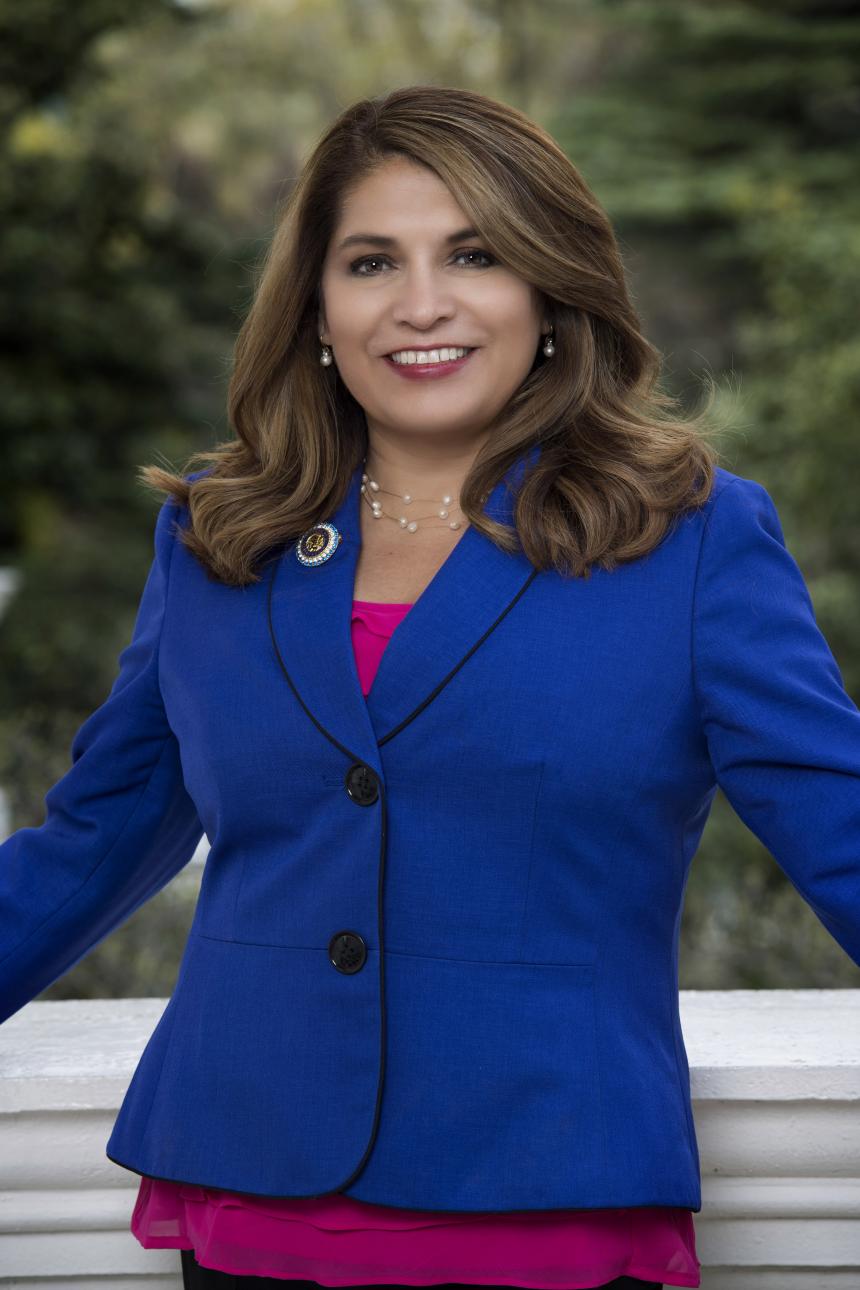
Asm. Sharon Quirk-Silva
Sponsored bills
This measure would proclaim March 23, 2024, as California Women in STEM Day.
This measure would proclaim the week of March 17, 2024, to March 23, 2024, inclusive as California Down Syndrome Awareness Week and March 21, 2024, as California Down Syndrome Day, and would encourage all Californians to support and participate in related activities.
This measure would designate March 25, 2024, as Greek Independence Day.
This measure would, among other things, recognize the month of March 2024 as Developmental Disabilities Awareness Month.
This measure would declare that the Legislature honors the life and legacy of Justice Ruth Bader Ginsburg, and proclaims March 15, 2024, as Justice Ruth Bader Ginsburg Day, a day of remembrance and education to ensure that all Californians always honor and remember a vibrant guardian of equality for all.
Existing law defines "public works," for the purposes of regulating public works contracts, as, among other things, construction, alteration, demolition, installation, or repair work done under contract and paid for, in whole or in part, out of public funds. Existing law requires each contractor and subcontractor on a public works project to keep accurate payroll records, showing the name, address, social security number, work classification, straight time and overtime hours worked each day and week, and the actual per diem wages paid to each journeyman, apprentice, worker, or other employee employed by the contractor or subcontractor in connection with the public work. Existing law requires any copy of records made available for inspection as copies and furnished upon request to the public or any public agency to be marked or obliterated to prevent disclosure of an individual's name, address, and social security number but specifies that any copy of records made available to a Taft-Hartley trust fund for the purposes of allocating contributions to participants be marked or obliterated only to prevent disclosure of an individual's full social security number, as specified. This bill would require an owner, a developer, or the agent of an owner or developer, that, among other things, receives public funds from a public agency to perform specified public works projects, to make available upon written request from a joint labor-management committee, a multiemployer Taft-Hartley trust fund, or a specified tax-exempt organization specified public works records in their possession, including requests for bids and submitted bid documents, inspection and work logs, and funding documentation. The bill would subject an owner, a developer, the agent of an owner or developer, a contractor, and a subcontractor, for failing to comply with the provisions of this bill, to a penalty by the Labor Commissioner, as specified, and would deposit the penalties into a specified fund.

Existing law defines specified behavior as disorderly conduct and prohibits that behavior. Under existing law, disorderly conduct includes, among other things, the intentional distribution of certain images of another person taken under circumstances in which the person understands that the image shall remain private, the distribution of which causes serious emotional distress. Under existing law, disorderly conduct is punishable as a misdemeanor. This bill would make a person guilty of sexual harassment if the person intentionally posts, distributes, or creates, or threatens to post, distribute, or create, an intimate digital depiction of another individual without consent of that individual. The bill would define "intimate digital depiction" as an image or video of an individual that has been created or altered using digital manipulation and that depicts, among other things, an identifiable individual engaging in sexually explicit conduct. The bill would require this crime to be punished as a misdemeanor by imprisonment in the county jail not exceeding one year or as a felony for 16 months or for 2 or 3 years. By creating a new crime, the bill would impose a state-mandated local program. The California Constitution requires the state to reimburse local agencies and school districts for certain costs mandated by the state. Statutory provisions establish procedures for making that reimbursement. This bill would provide that no reimbursement is required by this act for a specified reason.