This measure would designate February 28, 2026, as Rare Disease Day and, with respect to rare diseases and disorders, would recognize the importance of improving awareness, encouraging accurate and early diagnosis, and supporting national and global efforts to develop effective treatments, diagnostics, and cures.
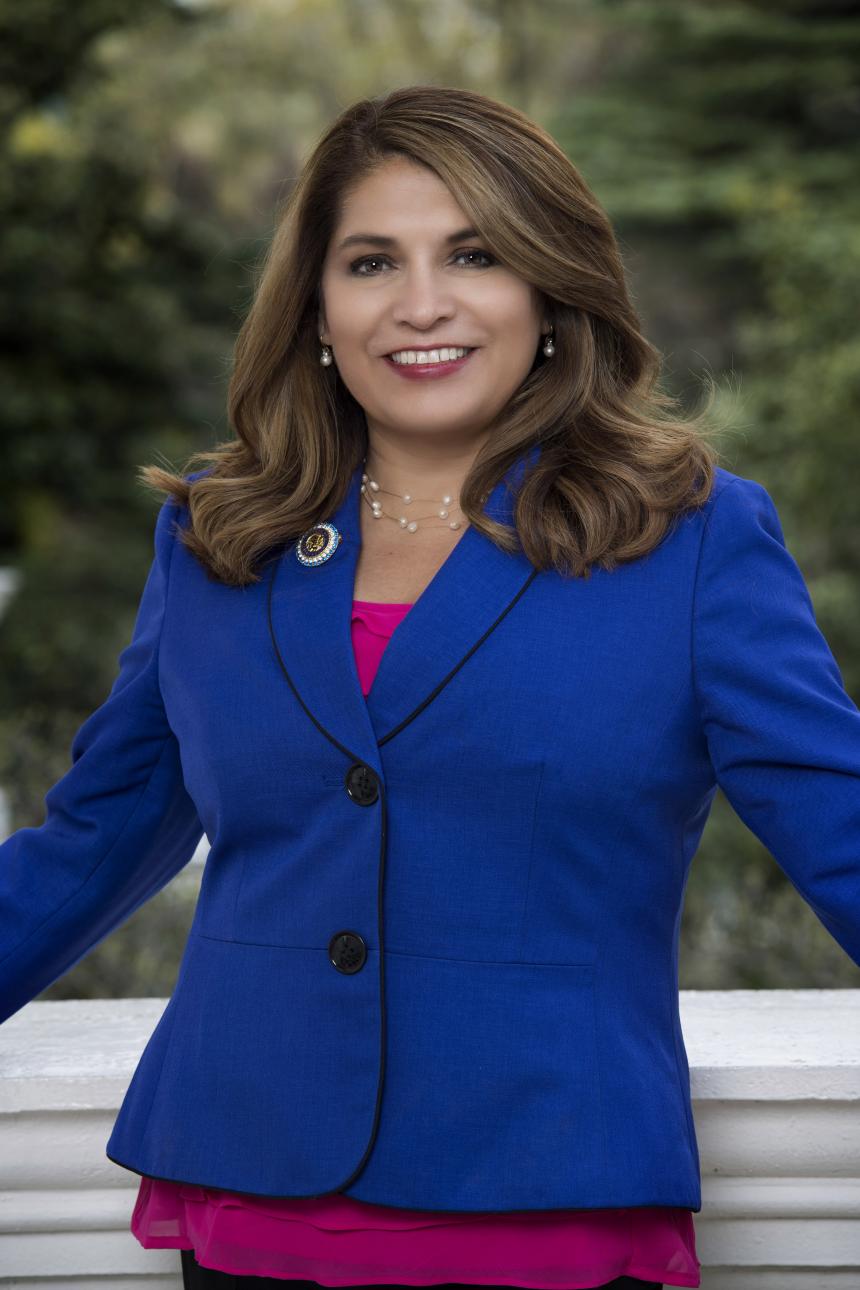
Asm. Sharon Quirk-Silva
Sponsored bills
This measure would recognize February 24, 2026, as a Day of Solidarity with Ukraine, honoring the resilience of the Ukrainian people and acknowledging the ongoing impact of the war on youth, families, and communities.
Maddy summaryACR 127 designates February 2-6, 2026, as National School Counseling Week. This is a symbolic resolution recognizing the role of school counselors, with no new policies or funding changes. It directly affects no specific group but aims to raise awareness for school counseling services during that week. The resolution was unanimously adopted by the Assembly on February 5, 2026.
Maddy summaryThis bill is a House Resolution that formally declares March 2026 as Women's History Month in California. It aims to honor the historical and ongoing contributions of women across various fields such as business, science, and civil rights. The resolution does not create new laws or change existing policies but serves to recognize and celebrate the achievements of women throughout history.
Existing law, the Office to Housing Conversion Act, beginning July 1, 2026, deems an adaptive reuse project a use by right in all zones, regardless of the zoning of the site, and subject to a streamlined, ministerial review process, if the project meets specified requirements. Existing law defines an "adaptive reuse project" as the retrofitting and repurposing of an existing building to create new residential or mixed uses including office conversion projects and excludes from that definition, among other things, the retrofitting and repurposing of any building that is within an industrial zone that does not permit residential uses. Existing law prohibits an adaptive reuse project from being permitted in an industrial zone, as defined, that does not permit residential uses. This bill would revise the above-described prohibition to specify an adaptive reuse project is not permitted on a site where the existing primary use is classified as a high-hazard (Group H) occupancy under Title 24 of the California Code of Regulations, as it read on January 1, 2025. The bill would also revise the definition of an "adaptive reuse project" to exclude the retrofitting and repurposing of any building whose primary existing use is a high-hazard (Group H) occupancy under Title 24 of the California Code of Regulations, as it read on January 1, 2025. By expanding eligibility for streamlined, ministerial review of adaptive reuse projects, and therefore expanding the duties of the local government, this bill would impose a state-mandated local program. The California Constitution requires the state to reimburse local agencies and school districts for certain costs mandated by the state. Statutory provisions establish procedures for making that reimbursement. This bill would provide that no reimbursement is required by this act for a specified reason.
Maddy summaryThis bill designates March 2026 as Colorectal Cancer Awareness Month in California to highlight the disease's impact and promote screening efforts. It directly affects all Californians by encouraging early detection through regular check-ups and new testing options, particularly for younger adults and underserved communities facing higher risks. The resolution aims to increase public knowledge about prevention and treatment advancements without mandating specific actions or funding changes.
Existing law, the Unruh Civil Rights Act, provides that all persons within the jurisdiction of this state are entitled to full and equal accommodations in all business establishments of every kind whatsoever, regardless of their sex, race, color, religion, ancestry, national origin, disability, medical condition, genetic information, marital status, sexual orientation, citizenship, primary language, or immigration status. Existing law requires the Civil Rights Department, among other things, to enforce the provisions of the Unruh Civil Rights Act. Existing law authorizes aggrieved persons to, among other remedies, file a complaint with the Civil Rights Department. This bill would provide related declarations, including the intent of the Legislature to clarify that those provisions of existing law fully apply to early childcare and education settings and prohibit discrimination in access to and provision of those services. This bill would specify that "business establishments of every kind whatsoever" includes, but is not limited to, entities and individuals that provide early care and education services to the public for a fee or other consideration, including licensed childcare centers, licensed family childcare homes, and family, friend, and neighbor care providers, regardless of whether the services are publicly funded. The bill would prohibit its provisions from being construed to limit existing protections or requiring the disclosure of immigration or citizenship status.

Existing law establishes various advisory boards and commissions in state government with specified duties and responsibilities. This bill would create the California Latino Commission to address the inequities faced by the Latino community in housing, education, economic mobility, labor, and health care. The commission would consist of 9 members who have demonstrated expertise in specified areas, including housing policy and advocacy and economic development. The bill would task the commission with, among other things, collecting and analyzing data, developing recommendations, and monitoring the implementation of state programs and policies affecting the Latino community, as specified. The bill would require the commission to work with other state agencies and to submit an annual report to the Governor and the Legislature. The bill would establish that the commission and its activities would be supported by appropriations by the Legislature from the General Fund and grants from federal and private sources. The bill would repeal these provisions on January 1, 2036.
Maddy summaryACR 116 is a ceremonial resolution honoring Reverend Dr. Martin Luther King, Jr. and commemorating Martin Luther King Jr. Day. It does not create new laws or affect specific groups, as it is a symbolic gesture of recognition. The measure was adopted by the Assembly on January 16, 2026, and is now pending in the Senate Committee on Rules and Legislative Services. This type of resolution typically serves to acknowledge historical figures or events without implementing policy changes.
Maddy summaryACR 118 designates January 13, 2026, as Korean American Day in recognition of Korean American contributions. This ceremonial resolution does not create new laws or affect policy; it simply formally proclaims a specific date for observance. The bill directly affects public acknowledgment of Korean American heritage within the state. It has advanced through committee approval and passed the Assembly with unanimous support.