

The Personal Income Tax Law and the Corporation Tax Law allow a credit against the taxes imposed under those laws, for each taxable year beginning on or after January 1, 2014, and before January 1, 2025, in an amount as provided in a written agreement between the Governor's Office of Business and Economic Development and the taxpayer, agreed upon by the California Competes Tax Credit Committee, and based on specified factors, including the number of jobs the taxpayer will create or retain in the state and the amount of investment in the state by the taxpayer. Existing law provides for the allocation of credit amounts through the 2017–18 fiscal year and limits the aggregate amount of credit that may be allocated in a fiscal year. This bill, for the credits described above as may be authorized for allocation for the 2018–19 fiscal year through the 2023–24 fiscal year, would allow up to 50% of the unallocated and recaptured credit amount, if any, from the preceding fiscal year to be reserved as a preliminary allocation to taxpayers that create or retain regionally significant jobs in a manufacturing, research and development, or testing facility, or a corporate headquarters, if the city, county, or city and county that is competing for the establishment, expansion, or retention of a manufacturing, research and development, or testing facility, or a corporate headquarters applies to GO-Biz on behalf of the taxpayer, as provided.
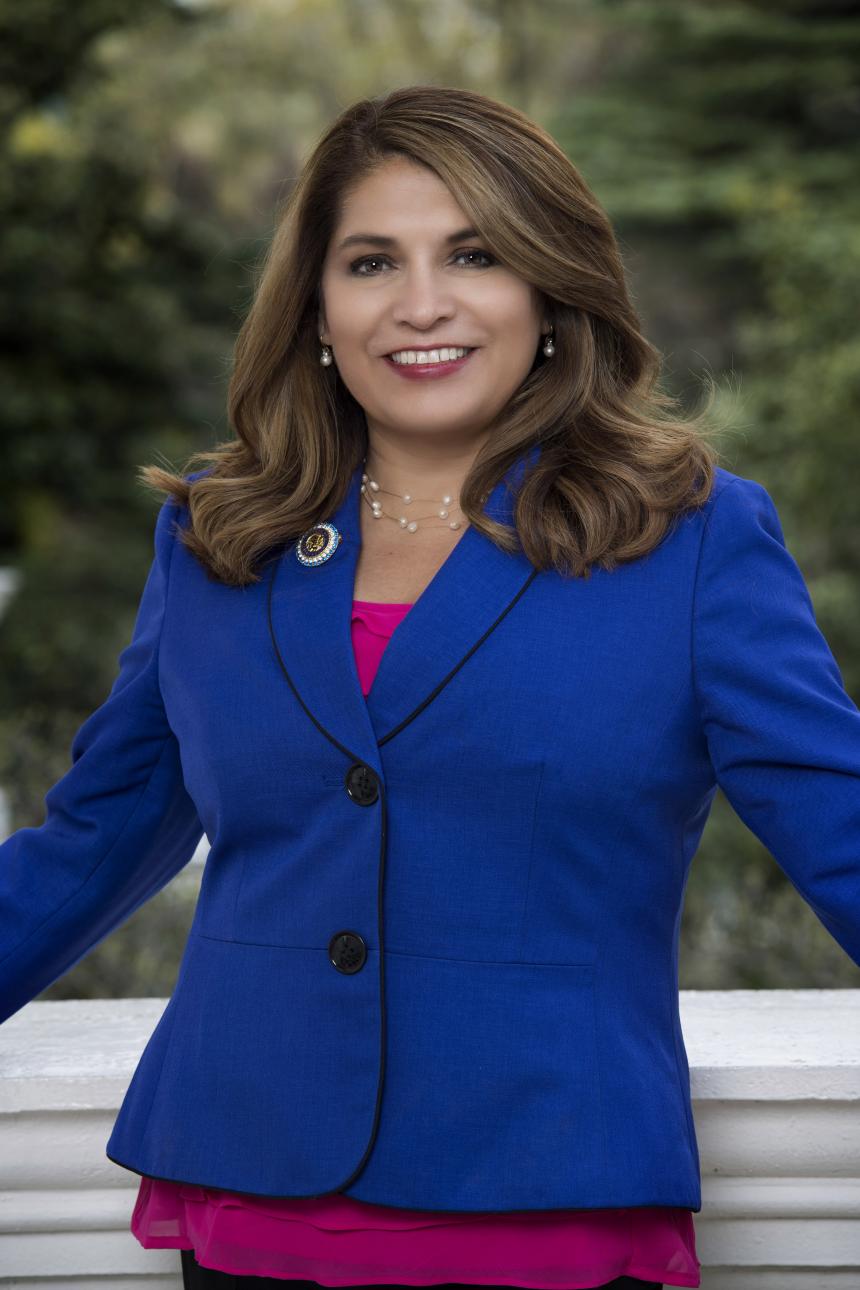
Asm. Sharon Quirk-Silva
Sponsored bills
This measure would declare the support of the Legislature for the expansion of sensory-friendly movie screenings and similar programs for people with autism, and would encourage families to attend a sensory-friendly movie screening during April 2018, which is National Autism Awareness Month.
This measure would, among other things, designate the year 2018 as "State of California Year of Commemoration of the Anniversary of the Armenian Genocide of 1915–1923," would designate April 24, 2018, as "State of California Day of Commemoration of the 103rd Anniversary of the Armenian Genocide of 1915–1923," and would call upon the President of the United States and the United States Congress to formally and consistently reaffirm the historical truth that the atrocities committed against the Armenian people constituted genocide.
This measure would proclaim April 16, 2018, as California Holocaust Memorial Day and would urge all Californians to observe this day of remembrance for the victims of the Holocaust in an appropriate manner.
This measure would urge the Congress of the United States to implement revised dam safety and inspection requirements, with specified components, for all federally operated and regulated dams and reservoirs for the purpose of ensuring public safety.
Under existing law, the Public Utilities Commission has regulatory authority over public utilities, including electrical, gas, water, and telephone corporations. Existing law requires each electrical, gas, water, wireless telecommunications service provider, or telephone corporation with gross annual revenues exceeding $25,000,000, and its commission-regulated subsidiaries and affiliates, to annually submit a detailed and verifiable plan for increasing procurement from women, minority, disabled veteran, and LGBT business enterprises, as defined. Existing law requires the commission to report certain information relative to the activities undertaken by those public utilities by September 1 of each year. This bill would require each electrical, gas, water, mobile telephony service provider, or telephone corporation, with gross annual revenues exceeding $25,000,000, and its commission-regulated subsidiaries and affiliates, to pay an undisputed invoice by its required payment date, as defined. If the payment is not made by that date, the bill would require the utility to pay a late payment penalty to a certified small business, as defined, or to another business that has committed to having at least 25% of the contracted work undertaken by a certified small business, at a rate of 10% above the United States Prime Rate. The bill would require each of the specified utilities to annually provide the commission with information concerning the payment terms of its contracts with certified disabled veteran, minority, women, or LGBT small business enterprises and late payment penalties that it paid to certified disabled veteran, minority, women, or LGBT small business enterprises. The bill would revise the commission's reporting requirements to the Legislature to require the report to include information on contracts entered into and payments made during the report period to certified disabled veteran, minority, women, or LGBT small business enterprises. Under existing law, a violation of any order, decision, rule, direction, demand, or requirement of the commission is a crime. Because a violation of an order or decision of the commission implementing the requirements of the bill would be a crime, the bill would impose a state-mandated local program by creating a new crime. The California Constitution requires the state to reimburse local agencies and school districts for certain costs mandated by the state. Statutory provisions establish procedures for making that reimbursement. This bill would provide that no reimbursement is required by this act for a specified reason.
This measure would recognize September 20, 2018, and every year on that date thereafter, as California Surfing Day to celebrate the California surfing lifestyle, would commend all those who honor the history, culture, and future of surfing, as well as the sport of surfing and the protection of our beach and ocean environments, would express support for future surfers and encourage potential surfing Olympians to work diligently, and would encourage all Californians to enjoy California Surfing Day.
Existing law requires, as a condition of receipt of funds to reimburse a school for free and reduced-price meals sold or served to pupils, a school or school district to comply with specified requirements and prohibitions, including not selling or serving a food item that contains artificial trans fat. Existing law provides that the only competitive snack foods that may be sold to pupils are fruit, vegetable, dairy, protein, or whole grain rich food items, in an elementary, middle, or high school, as provided, and imposes other nutritional standards on competitive foods, snacks, and beverages that may be sold to pupils in an elementary, middle, or high school. Existing law prohibits, except as provided, a school, school district, or charter school that participates in a certain federal school lunch or breakfast program from advertising food or beverages during the schoolday, as provided, and from participating in a corporate incentive program that rewards pupils with free or discounted foods or beverages that do not comply with those nutritional standards when the pupils reach certain academic goals. This bill would add to those prohibitions that such a school, school district, or charter school shall not participate in a food incentive program that rewards pupils by providing foods or beverages that do not comply with those nutritional standards.