Maddy summaryACR 83 designates May 22, 2025, as California Maritime Day. This symbolic resolution does not create new laws or impose obligations but serves to recognize and honor California's maritime industry and its historical significance. It has no direct impact on individuals, businesses, or policy implementation. The measure is purely commemorative and aligns with the state's tradition of acknowledging key sectors through designated days.
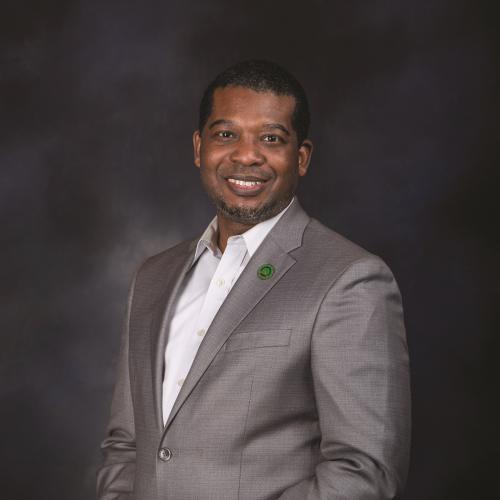
Asm. Corey Jackson
Sponsored bills
Maddy summaryACR 103 designates the week of July 14-18, 2025, as "California Western Monarch Protection Week." The bill is purely ceremonial, recognizing efforts to protect monarch butterflies in California. It does not create new laws, funding, or obligations. The measure serves to raise public awareness about monarch conservation during that specific week.
Maddy summaryHR 67 designates November 9 as "All California Day" to celebrate California's shared history and cultural ties with Baja California and Baja California Sur. The resolution encourages community events and cultural celebrations across the state to honor this interconnected heritage, including contributions from Indigenous peoples and Mexican heritage communities. As a ceremonial resolution (not a binding law), it has no direct regulatory or financial impact on any specific group or policy. The measure was adopted by the California Assembly on September 4, 2025.
Maddy summaryThis House Resolution (HR 58) declares October 2025 as "California Promotoras Month" to formally recognize the work of promotoras - community health workers who serve as cultural brokers and connect underserved communities (particularly Latino populations) to essential services like health, housing, and disaster response. It acknowledges their role in improving community resilience and access to resources, while highlighting the need for better support, training, and equitable compensation for this workforce. The resolution is symbolic and does not create new laws, funding, or programs; it solely aims to raise awareness and honor promotoras' contributions through a designated month of recognition.
Maddy summaryThis is a symbolic resolution, not a substantive bill. It designates September 7-13, 2025, as "Direct Support Professional Recognition Week" in California. The resolution acknowledges direct support professionals who assist Californians with intellectual and developmental disabilities (IDD) through the state's Lanterman Act system, which serves over 450,000 residents. It formally recognizes their role in enabling community inclusion and independence but does not create new policies, funding, or legal obligations.
Maddy summaryThis symbolic resolution recognizes September 20, 2025, as National Fried Rice Day in California, highlighting the dish's cultural significance to Asian American communities and its connection to California's rice-growing economy (noting the state's status as the second-largest rice producer). It has no legal effect or policy changes - it serves solely to celebrate culinary traditions and community diversity. The resolution was adopted by the California Assembly with no opposing votes.
Maddy summaryThis House Resolution designates a month as Filipino American History Month in California. It recognizes the historical contributions of Filipino Americans to the state, including early settlement (dating to 1587), agricultural labor, community building (such as "Little Manila" in Stockton), and military service during World War II. As a symbolic resolution, it does not create new laws, policies, or direct effects on any specific group.
Existing law establishes the California Violence Intervention and Prevention Grant Program, administered by the Board of State and Community Corrections, to award competitive grants for the purpose of violence intervention and prevention. Existing law establishes the Youth Reinvestment Grant Program within the Board of State and Community Corrections to grant funds, upon appropriation, to local jurisdictions and Indian tribes for the purpose of implementing trauma-informed diversion programs for minors, as specified. Existing law requires the governing board of a school district to give diligent care to the health and physical development of pupils and authorizes the governing board of a school district to employ properly certified persons for the work. Existing law requires a school of a school district or county office of education and a charter school to notify pupils and parents or guardians of pupils no less than twice during the school year on how to initiate access to available pupil mental health services on campus or in the community, or both, as provided. Existing law requires the State Department of Public Health, in cooperation with the State Department of Education, to establish a Public School Health Center Support Program, upon appropriation by the Legislature, to assist school health centers, which are defined as centers or programs, located at or near local educational agencies, that provide age-appropriate health care services at the program site or through referrals, as specified. This bill would create the Community Violence Interdiction Grant Program to be administered by the California Health and Human Services Agency to provide funding to local community programs for community-driven solutions to decrease violence in neighborhoods and schools. The bill would specify the types of programs the grant funds may be used for, including, but not limited to, programs that create and enhance recreation- and health-based interventions for youth during peak times of violence and the creation and operation of school-based health centers. The bill would require the agency to develop an application process and criteria for funding and would require the agency to administer the grant program, as specified. The bill would require, beginning July 31, 2026, and annually thereafter, the Director of Finance and the Legislative Analyst's Office to calculate the savings to the state from the closure of state prisons, as specified, and would require the Director of Finance to certify the results of the calculation to the Controller no later than August 1 of each fiscal year. The bill would create the Community Violence Interdiction Grant Fund and would require moneys in the fund to be made available, only upon appropriation by the Legislature, to the agency for the purposes of the Community Violence Interdiction Grant Program. The bill would require that the Controller, before August 15, 2026, and annually thereafter, upon appropriation by the Legislature, transfer from the General Fund to the Community Violence Interdiction Grant Fund the total amount of savings from the closure of state prisons so calculated.
Existing law establishes the California Community Colleges, under the administration of the Board of Governors of the California Community Colleges, as one segment of public postsecondary education in the state. Under existing law, the board of governors appoints a chief executive officer, who is known as the Chancellor of the California Community Colleges. Existing law establishes community college districts throughout the state and authorizes these districts to provide instruction at the community college campuses they operate and maintain. Existing law requests the campuses of the California Community Colleges to give priority housing to current and former homeless youth and current and former foster youth, as specified. This bill would require the governing board of each community college district to adopt a plan to offer an overnight parking program to eligible students, as defined, and would require the plan to be developed in consultation with basic needs coordinators and campus security, as specified. The bill would require the plan to include, among other things, a procedure for issuing an overnight parking permit at no cost to students. The bill would impose duties on basic needs coordinators related to the community college programs, including when acceptance of applications from eligible students would begin. The bill would require the governing board of each community college district, on or before December 31, 2026, to vote to determine if the community colleges within the district will establish an overnight parking program that aligns with the plan. This bill would provide that a campus is not civilly liable for a campus employee's good faith act or omission that fails to prevent an injury to a participating student that occurs in, or in close proximity to, and during the hours of operation of, overnight parking, as provided. This bill would require campuses to report to the office of the Chancellor of the California Community Colleges certain information, including, among other information, the socioeconomic and demographic backgrounds of participating students, as specified. The bill would additionally require the office of the Chancellor of the California Community Colleges to report to the Legislature and the Governor on the campus programs, as provided. The bill would require these reports to be included as part of a specified report related to basic needs services and resources. To the extent that this bill would impose new duties on community college districts, the bill would impose a state-mandated local program. The California Constitution requires the state to reimburse local agencies and school districts for certain costs mandated by the state. Statutory provisions establish procedures for making that reimbursement. This bill would provide that, if the Commission on State Mandates determines that the bill contains costs mandated by the state, reimbursement for those costs shall be made pursuant to the statutory provisions noted above.

Existing law, the Child Abuse and Neglect Reporting Act, establishes procedures for the reporting and investigation of suspected child abuse or neglect. The act requires certain professionals, including specified health practitioners and social workers, known as "mandated reporters," to report known or reasonably suspected child abuse or neglect to a local law enforcement agency or a county welfare or probation department, as specified. This bill would require the State Department of Social Services, through the State Office of Child Abuse Prevention, to, by no later than July 1, 2027, develop a standardized curriculum for mandated reporters, and to make that training available on its internet website. The bill would, except as provided, require an employer having one or more mandated reporters to ensure completion of the training within the first 3 months of the mandated reporter's employment, or on or before March 1, 2030, whichever is later. The bill would require completion of the training to be documented in a manner that would allow the department to verify completion upon request. This bill would require the State Department of Social Services and the State Department of Health Care Services to provide updates every 90 days to specified legislative committees on guidance to counties with respect to payer of last resort federal requirements and revenue maximization of specified funding sources for services related to these provisions, until those committees make findings that this requirement has been met. Existing law establishes the California Child Welfare Council to serve as an advisory board responsible for improving the collaboration and processes of the multiple agencies and the courts that serve the children and youth in the child welfare and foster care systems. Existing law requires the council to monitor and report the extent to which child welfare and foster care programs and the courts are responsive to the needs of children in their joint care. This bill would require the California Child Welfare Council to establish a Mandated Reporting Advisory Committee, as specified, and would state the intent of the Legislature that the committee ensure the transformation of mandated reporting to community supporting continues and disparities in the child welfare system are eliminated. The federal Family First Prevention Services Act provides a state with the option to use certain federal funds to provide mental health and substance abuse prevention and treatment services and in-home parent skill-based programs to a child who is a candidate for foster care or a child in foster care who is a pregnant or parenting foster youth, as specified. Existing state law authorizes a county to elect to provide those prevention services by providing a written plan to the State Department of Social Services, which has oversight of the Family First Prevention Services program. Existing law requires the county to consult with other relevant county agencies, as specified, in the development of the plan. The bill would require each county's written plan to include the county's plans to provide information for mandated reporters regarding resources available to support families in their communities. By imposing additional duties on counties, this bill would impose a state-mandated local program. The California Constitution requires the state to reimburse local agencies and school districts for certain costs mandated by the state. Statutory provisions establish procedures for making that reimbursement. This bill would provide that, if the Commission on State Mandates determines that the bill contains costs mandated by the state, reimbursement for those costs shall be made pursuant to the statutory provisions noted above.