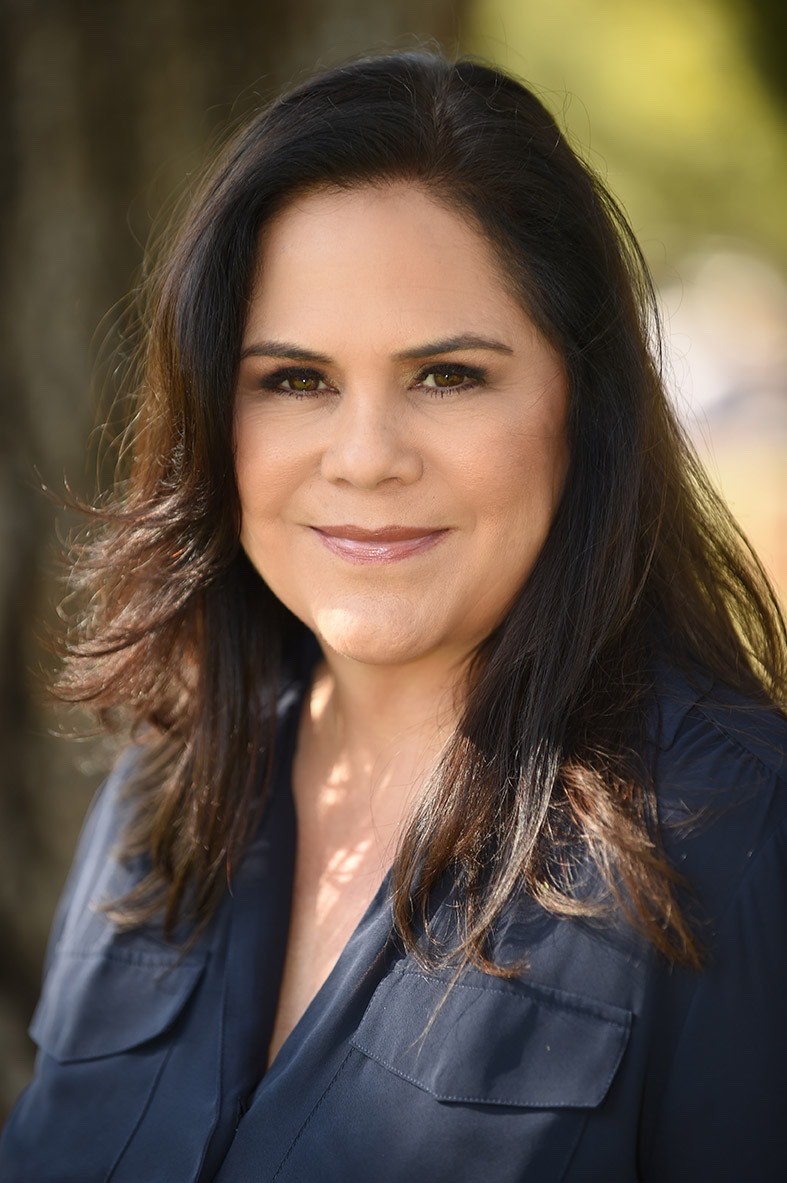
Photo of Lisa Calderon
D California Assembly · District 56 On the 2026 ballot

Asm. Lisa Calderon

Compare
Total votes
19,590
all sessions
Attendance
91%
1,085 missed
Lower than 99% of chamber peers
With party
99%
of cast votes
Near the chamber average
Bipartisan score
0%
crosses aisle rarely
Near the chamber average
Sponsored
1,250
bills & resolutions
Near the chamber average
Committees
9
assignments
1,250 bills and resolutions

Sponsored bills

Total
1,250
Primary
115
Co-sponsor
1,135
This page
1,250
matching current filters
Co-sponsor HR 136
Passed · California Assembly · Co-sponsor
Relative to Home Hardening Week.

Maddy summaryCalifornia House Resolution 136 designates the second week of September each year as Home Hardening Week to promote fire safety measures for residents. The resolution cites rising wildfire risks and insurance costs as reasons for encouraging homeowners to use fire-resistant building materials and manage defensible space around their properties. It urges local organizations and county boards of supervisors to distribute information about these protective steps, which studies suggest can significantly increase the likelihood that a home survives a wildfire.

Passed Aug 17, 2026 1 co-sponsor
Co-sponsor HR 128
Passed · California Assembly · Co-sponsor
Relative to Aromatic L-Amino Acid Decarboxylase Deficiency Awareness Day.

Maddy summaryCalifornia House Resolution 128 designates October 23, 2026, as Aromatic L-Amino Acid Decarboxylase (AADC) Deficiency Awareness Day. The resolution aims to increase public and medical community awareness of this ultrarare genetic condition, which prevents the body from producing dopamine and causes severe developmental delays. By highlighting the challenges faced by patients and their caregivers, the bill encourages Californians to learn more about the disease to support earlier diagnosis and continued research into treatments.

Passed Aug 13, 2026 1 co-sponsor
Co-sponsor HR 132
Passed · California Assembly · Co-sponsor
Relative to Young Women's Reproductive Health Awareness Month.

Maddy summaryThis California House Resolution proclaims September 2026 as Young Women's Reproductive Health Awareness Month to highlight the importance of early diagnosis and education for adolescent girls. The resolution urges high schools, colleges, public health agencies, and medical providers to promote educational campaigns on topics such as menstrual health, HPV vaccination, and sexual health practices. It specifically aims to address disparities in care by encouraging outreach to communities that face systemic barriers or lack culturally appropriate resources.

Passed Aug 13, 2026 1 co-sponsor
Co-sponsor HR 131
Passed · California Assembly · Co-sponsor
Relative to Student Cancer Education, Detection, and Prevention Week.

Maddy summaryCalifornia Assembly Resolution 131 proclaims October 11 through 17, 2026, as Student Cancer Education, Detection, and Prevention Week. The resolution encourages middle schools, high schools, colleges, public health agencies, pediatricians, and community health providers to promote educational campaigns on cancer prevention and detection. These efforts aim to inform students about risk factors, warning signs, and the importance of timely screenings to support better health outcomes for young people in the state.

Passed Aug 13, 2026 1 co-sponsor
Co-sponsor HR 112
Passed · California Assembly · Co-sponsor
Relative to Black Music Month.

Maddy summaryThis House Resolution officially designates September as Black Music Month to honor the significant contributions of Black artists to American culture. The measure recognizes a wide range of musical genres, including jazz, blues, gospel, and hip-hop, by highlighting their historical origins and influential figures. While the text celebrates these artistic achievements, it does not impose any new legal requirements or funding mandates.

Passed Aug 13, 2026 1 co-sponsor
Primary AB 2299
Passed · California Assembly · Lead sponsor
California Antihunger Response and Employment Training Act of 2026.

Existing federal law establishes the Supplemental Nutrition Assistance Program (SNAP) , known in California as CalFresh, under which supplemental nutrition assistance benefits allocated to the state by the federal government are distributed to eligible individuals by each county. Existing federal law limits a participant who is an able-bodied adult without dependents (ABAWD) to 3 months of CalFresh benefits in a 3-year period unless that participant has met work participation requirements or is otherwise exempt. Existing federal law authorizes a waiver of that time limit upon the request of a state if it is determined that the area in which the individuals reside has an unemployment rate of over 10% or does not have a sufficient number of jobs to provide employment for the individuals. Existing state law requires the State Department of Social Services, to the extent permitted by federal law, to annually seek a federal waiver of the time limit. Existing federal law also authorizes a state to provide, in each fiscal year, an exemption from the 3-month time limit for covered individuals, to the extent that the average monthly number of exemptions in effect during a fiscal year does not exceed 8% of the number of covered individuals in the state. Existing law requires the department to also establish the California Food Assistance Program (CFAP) to provide nutrition benefits to households that are ineligible for CalFresh benefits solely due to their immigration status, as specified. Existing law requires CFAP benefits to be equivalent to SNAP benefits. Under existing law, operative on the date the department notifies the Legislature that the Statewide Automated Welfare System can perform the necessary automation for this purpose, an individual 55 years of age or older is eligible for CFAP benefits, subject to an appropriation. Existing law requires these provisions only be implemented during any period that specified federal benefits are provided. This bill, the California Antihunger Response and Employment Training Act of 2026, would expand CFAP eligibility to include individuals ineligible for CalFresh benefits due to the federal time limits placed on ABAWDs regardless of if they are a citizen or noncitizen and individuals ineligible solely due to their humanitarian immigration status. The bill would also repeal the provisions requiring certain federal benefits be provided in order for CFAP to be implemented. The bill would make related findings and declarations. To the extent the bill would expand eligibility for county-administered benefits through expansion of the CFAP program, the bill would impose a state-mandated local program. The California Constitution requires the state to reimburse local agencies and school districts for certain costs mandated by the state. Statutory provisions establish procedures for making that reimbursement. This bill would provide that, if the Commission on State Mandates determines that the bill contains costs mandated by the state, reimbursement for those costs shall be made pursuant to the statutory provisions noted above.


Passed Aug 13, 2026 0 co-sponsors
Co-sponsor SB 1330
Passed · California Senate · Co-sponsor
Assault and battery: utility workers.

Existing law defines an assault as an unlawful attempt, coupled with present ability, to commit a violent injury upon the person of another. Existing law defines a battery as any willful and unlawful use of force or violence upon the person of another. Under existing law, an assault or battery committed against specified professionals engaged in the performance of their duties, including peace officers, firefighters, and emergency medical personnel, is punishable by imprisonment in a county jail not exceeding one year, by a fine not exceeding $2,000, or by both that fine and imprisonment. This bill would make an assault or battery committed against a utility worker, as defined, who is engaged in the performance of their duties punishable by imprisonment in a county jail not exceeding one year, by a fine not exceeding $2,000, or by both that fine and imprisonment. By expanding the scope of these crimes, this bill would impose a state-mandated local program. The California Constitution requires the state to reimburse local agencies and school districts for certain costs mandated by the state. Statutory provisions establish procedures for making that reimbursement. This bill would provide that no reimbursement is required by this act for a specified reason.

Passed Aug 13, 2026 1 co-sponsor
Co-sponsor ACR 157
Signed into law · California Assembly · Co-sponsor
Surface Mining and Reclamation Act of 1975: 50th anniversary.

Maddy summaryThis bill serves as a commemorative resolution to mark the 50th anniversary of the Surface Mining and Reclamation Act of 1975. It does not create new laws or alter existing regulations but instead formally acknowledges the milestone achievement of the original legislation. The measure is intended to honor the history of mining and land reclamation efforts established by the 1975 act.

Signed into law Aug 12, 2026 1 co-sponsor
Co-sponsor ACR 149
Signed into law · California Assembly · Co-sponsor
Relative to the California Coastal Act of 1976.

This measure would acknowledge and celebrate 50 years of coastal protection and affirm the state's longstanding commitment to protecting its coastal waters, as specified.

Signed into law Aug 12, 2026 1 co-sponsor
Co-sponsor ACR 187
Signed into law · California Assembly · Co-sponsor
Relative to Men's Mental Health Month.

Maddy summaryThis bill designates June 2026 as Men's Mental Health Month to raise awareness about mental health issues affecting men. The measure is a formal proclamation that does not change laws or allocate funding, but rather encourages public recognition of the topic. Once passed, it serves as an official declaration without imposing new requirements on individuals or organizations.

Signed into law Aug 12, 2026 1 co-sponsor
Showing 51 to 60 of 1,250 bills
Previous 1 … 5 6 7 … 125 Next