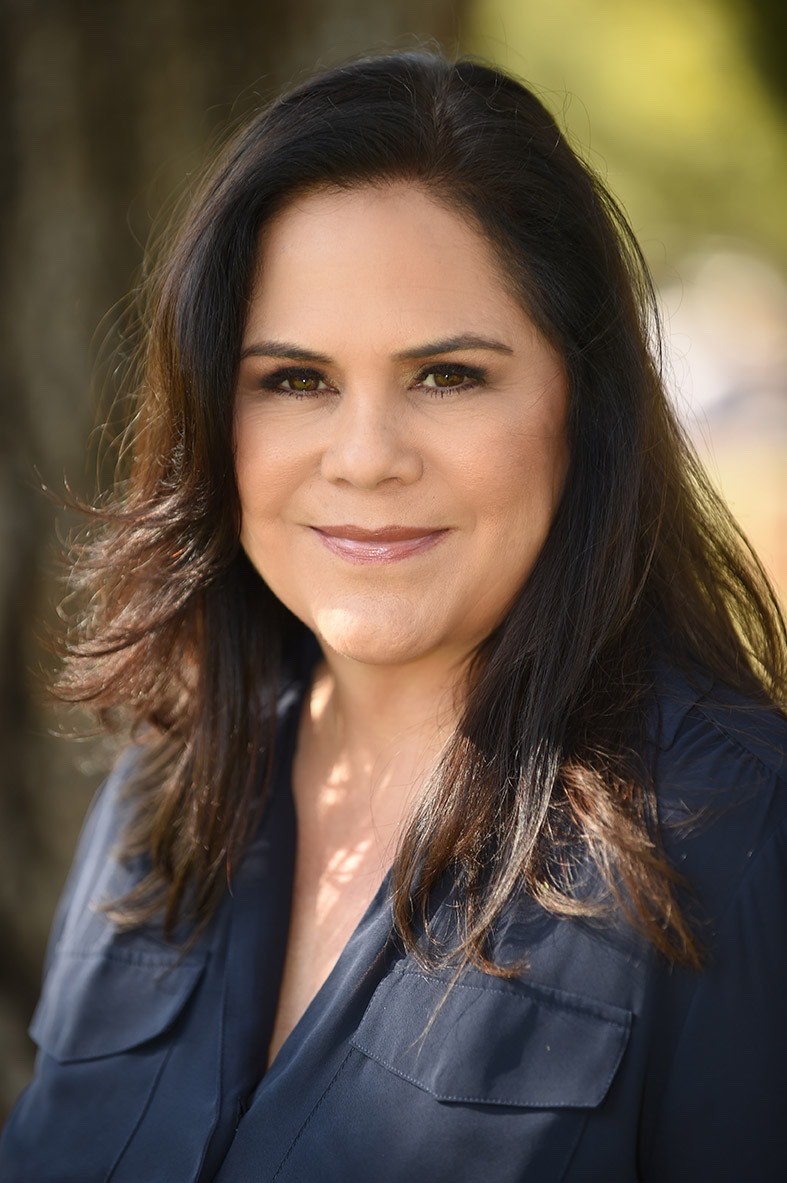
This measure would recognize the importance of California Native American Day, celebrated this year on September 26, 2025, and the annual California Indian Cultural Awareness Conference, to the enhancement of awareness of California Indian culture.
Asm. Lisa Calderon
Sponsored bills
Existing law requires a mortgage servicer to comply with applicable federal guidance regarding borrower options following a forbearance relating to the COVID-19 emergency. This bill would authorize a borrower who is experiencing financial hardship that prevents the borrower from making timely payments on a specified residential mortgage loan due directly to the wildfire disaster described in the proclamation of a state of emergency issued by Governor Gavin Newsom on January 7, 2025, or the federally declared disaster, declared on January 8, 2025, related to the Eaton Wildfire, the Palisades Fire, and the Straight-line Winds, to request forbearance on their residential mortgage loan, as prescribed. The bill would limit eligibility for that forbearance to loans that are secured by residential real property improved by 4 or fewer residential units. The bill would require the borrower to affirm that they are experiencing a financial hardship due to the wildfire disaster. Because the bill would expand the crime of perjury, the bill would impose a state-mandated local program. This bill would, except as specified, require a mortgage servicer to offer mortgage payment forbearance of a period of up to an initial 90 days, which shall be extended at the request of the borrower in 90-day increments, up to a maximum forbearance period of 12 months. The bill would also prohibit a mortgage servicer from assessing any late fees to the borrower's account or charging a default rate of interest during the forbearance period. The bill would provide that the forbearance period includes any period of forbearance related to the wildfire disaster that a mortgage servicer has provided to a borrower before the effective date of these provisions. The bill would require a mortgage servicer to report the credit obligations of borrowers under a disaster-related forbearance plan in compliance with the federal Fair Credit Reporting Act. For accounts granted disaster-related mortgage payment relief, the bill would prohibit mortgage servicers from furnishing information during the forbearance period indicating that the payments are in forbearance and would require them to report the credit obligation or account as current or delinquent, as specified. The bill would prohibit a mortgage servicer from initiating any judicial or nonjudicial foreclosure process, moving for a foreclosure judgment or order of sale, or executing a foreclosure-related eviction or foreclosure during the period of forbearance. This bill would require the Department of Financial Protection and Innovation to post specified information on its website including links to the provisions of servicing guidelines pertaining to disaster-related forbearance relief for federally backed loans and a dedicated telephone number for borrowers seeking assistance. The California Constitution requires the state to reimburse local agencies and school districts for certain costs mandated by the state. Statutory provisions establish procedures for making that reimbursement. This bill would provide that no reimbursement is required by this act for a specified reason. This bill would declare that it is to take effect immediately as an urgency statute.
(1) Under existing law, each school district and county office of education is responsible for the overall development, as specified, of a comprehensive school safety plan for each of its schools operating kindergarten or any of grades 1 to 12, inclusive. Existing law requires a comprehensive school safety plan to, among other things, identify appropriate strategies and programs that will provide or maintain a high level of school safety and address the school's procedures for complying with existing laws related to school safety. This bill would additionally require, until January 1, 2031, when a comprehensive school safety plan is next reviewed and updated, or by no later than March 1, 2026, those plans to include procedures specifically designed to notify parents and guardians of pupils, teachers, administrators, and school personnel when the school confirms the presence of immigration enforcement, as defined, on the schoolsite. Existing law prohibits a chartering authority from denying a petition for the establishment of a charter school unless it makes written factual findings supporting at least one of specified bases for denial. One of those bases for denying a petition is if the petition does not contain a reasonably comprehensive description of the development of a school safety plan that includes the same safety topics required in the comprehensive school safety plan of a school district or county office of education. This bill would authorize, until January 1, 2031, a chartering authority to deny a charter school petition that does not include in its proposed development of a school safety plan the same provisions on procedures and policies relating to notifying parents and guardians of pupils, teachers, administrators, and charter school personnel when the charter school confirms the presence of immigration enforcement, as defined, on the schoolsite as are required by the bill in a school district or county office of education comprehensive school safety plan. The bill also would make conforming changes. To the extent that this bill would impose new duties on local educational agencies, the bill would impose a state-mandated local program. (2) Existing law establishes the California State University, under the administration of the Trustees of the California State University, the University of California, under the administration of the Regents of the University of California, the California Community Colleges, under the administration of the Board of Governors of the California Community Colleges, and independent institutions of higher education as 4 segments of postsecondary education in the state. Existing law requires the Trustees of the California State University, the governing boards of community college districts, and independent institutions of higher education that are qualifying institutions for purposes of the Cal Grant Program, and requests the Regents of the University of California, to the fullest extent consistent with state and federal law, to implement various precautionary measures when federal immigration enforcement activities are undertaken on campuses of those segments, as specified, including, among others, that those postsecondary entities advise all students, faculty, and staff to notify the office of the chancellor or president, or their designee, as soon as possible, if they are advised that an immigration officer is expected to enter, will enter, or has entered the campus to execute a federal immigration order. This bill would require, until January 1, 2031, those postsecondary educational entities, and each campus of those postsecondary educational entities, to notify, as specified, all students, faculty, staff, and other campus community members who work on campus when the presence of immigration enforcement, as defined, is confirmed on campus. To the extent that the bill would impose new duties on community college districts, the bill would impose a state-mandated local program. The California Constitution requires the state to reimburse local agencies and school districts for certain costs mandated by the state. Statutory provisions establish procedures for making that reimbursement. This bill would provide that, if the Commission on State Mandates determines that the bill contains costs mandated by the state, reimbursement for those costs shall be made pursuant to the statutory provisions noted above. This bill would declare that it is to take effect immediately as an urgency statute.

Maddy summarySCR 104 proclaims October 2025 and each subsequent October as National Domestic Violence Awareness Month. This resolution does not create new laws, allocate funding, or impose requirements on any group. It serves as a formal legislative recognition to promote public awareness about domestic violence and encourage community efforts during October. The measure aims to support victims and prevent domestic violence through heightened visibility and educational activities.
This measure would declare the Legislature's opposition to the unlawful Executive Order No. 14160, entitled "Protecting the Meaning and Value of American Citizenship," ending birthright citizenship as enshrined in the United States Constitution and would affirm the Legislature's commitment to birthright citizenship, as specified.
This measure would state, among other things, the Legislature and the State of California's commitment to protecting, to the fullest extent of the law, all the data and information provided by students and their families to California's postsecondary education.
Maddy summaryACR 100 is a symbolic resolution recognizing August 15, 2025, as India's Independence Day in California. It urges all Californians to participate in celebrating India's independence on that date. This resolution does not create new laws or affect specific groups, but formally acknowledges the historical significance of India's independence day. It serves as a ceremonial gesture by the California legislature to honor this event.
Maddy summaryThis symbolic resolution encourages California public buildings (state, county, and municipal) to display the 9/11 Remembrance Flag annually on September 11. It allows public officials to accept donated flags for display but does not mandate their use. The resolution recognizes the flag's design and prior adoption by other states, emphasizing its role as a unifying symbol of remembrance. It has no binding legal effect beyond encouraging voluntary annual display.
Maddy summaryACR 70 designates September 2025 as Suicide Prevention Awareness Month within the state. This resolution does not create new laws or allocate funding; it is a symbolic designation to highlight suicide prevention efforts. The bill directly affects state agencies, community organizations, and the public by encouraging awareness activities during that month. It has no direct impact on specific individuals or groups beyond promoting the designated month for suicide prevention focus.
This measure would recognize May 2025 as Head Start Month and call on the Congress and the President of the United States to protect and increase funding for Head Start.