This measure would recognize the importance of California Native American Day, celebrated this year on September 25, 2026, and the annual California Indian Cultural Awareness Conference, to the enhancement of awareness of California Indian culture.
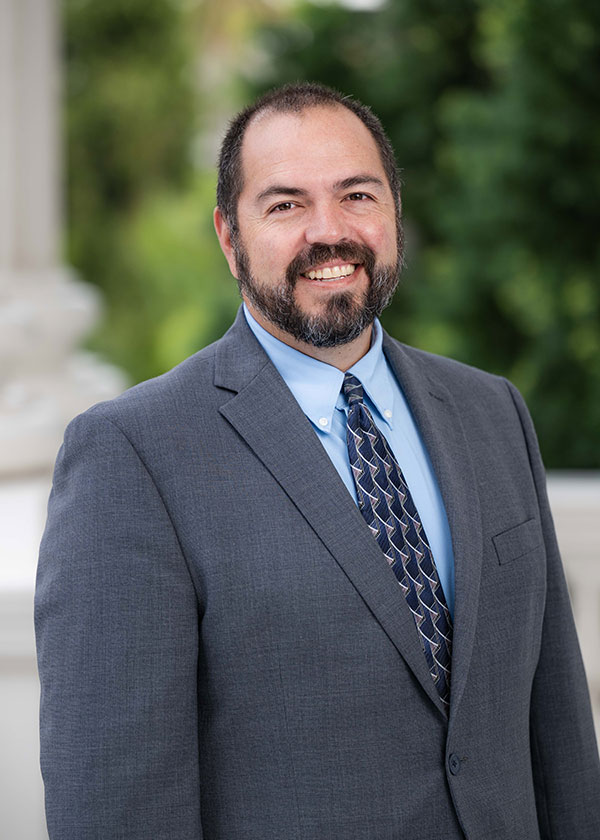
Asm. Robert Garcia
Sponsored bills
This measure would call on the President of the United States to immediately submit a supplemental disaster declaration to the United States Congress to unlock funding for disaster aid and would also call upon the United States Congress to approve supplemental aid to support the County of Los Angeles, regardless of whether it receives a request from the president.
Maddy summaryThis bill recognizes August 2026 as Chicano Heritage Month to honor the contributions of Mexican Americans to California and the United States. It highlights the history of the Chicano Movement, which sought community empowerment and cultural pride, and notes that over half of California's public school students are of Chicano or Latino origin. The resolution encourages Californians to celebrate this diversity and directs the Chief Clerk to send copies of the document to the sponsoring assembly member for distribution.
Maddy summaryThis bill is a House Resolution that formally recognizes the value of "food as medicine" in improving public health and reducing healthcare costs in California. It highlights how providing medically tailored meals, produce prescriptions, and other nutrition services helps prevent and manage diet-related conditions, particularly for communities of color. The text cites evidence that these programs lower emergency room visits and hospitalizations while noting that they are currently optional under existing state healthcare initiatives. By documenting these successes and the role of local providers, the resolution aims to encourage broader adoption of these services to support patient health and economic stability.
Maddy summaryThis House Resolution from the California Legislature calls for a federal review of Section 230 of the Communications Decency Act of 1996. The bill argues that the current law, which protects online platforms from liability for third-party content, has become outdated and allows major technology companies to avoid responsibility for harmful user-generated material. It highlights that courts have used this provision to shield platforms from legal action in cases involving harassment, illegal sales, and other serious harms. The resolution contends that the law should be reformed to hold companies accountable for their design choices and content moderation practices while still encouraging them to remove objectionable material.
Maddy summaryThis resolution designates July 23 to July 30, 2026, as Boat People Awareness Week and September 2026 as Boat People Awareness Month to honor Vietnamese refugees who fled Vietnam by boat after the Vietnam War. The measure does not change laws or allocate funding; instead, it establishes a period for public recognition and education about the historical plight of these refugees. It highlights the dangers faced by boat people, including piracy and storms, and acknowledges the significant Vietnamese communities that settled in California and other states. The resolution directs the Assembly Clerk to distribute copies of the document for public distribution.
Maddy summaryThis bill designates a specific month in 2026 as Filipino American History Month to honor the contributions of Filipinos to California and the United States. It recognizes their historical presence dating back to the late 1500s and highlights their roles in agriculture, labor, military service, and community building throughout the state. The resolution serves as a commemorative acknowledgment rather than a law that changes government operations or funding.
Maddy summaryThis House resolution honors California veterans and urges the federal government to speed up the processing of disability claims. It highlights that long wait times for these benefits can cause financial hardship and delay access to necessary medical care. The bill calls on Congress and the Department of Veterans Affairs to reduce backlogs by improving staffing, increasing administrative efficiency, and modernizing their claims systems. Ultimately, it is a formal request for federal action rather than a law that changes state rules or allocates new funds.
Existing law vests the Public Utilities Commission with regulatory authority over public utilities, including electrical corporations. Existing law requires each electrical corporation, local publicly owned electric utility, or electrical cooperative, or any other entity that offers electrical service, except as provided, to develop a standard contract or tariff providing for net energy metering, and to make this standard contract or tariff available to eligible customer-generators using renewable electrical generation facilities, as specified. Pursuant to its authority, the commission issued a decision revising net energy metering tariff and subtariffs, commonly known as the net billing tariff. Existing law authorizes an eligible customer-generator with multiple meters to aggregate the electrical load of the meters located on the property where the renewable electrical generation facility is located and on all property adjacent or contiguous to the property on which the renewable electrical generation facility is located, if those properties are solely owned, leased, or rented by the eligible customer-generator, as provided. This bill would require the commission, for purposes of certain net energy metering contracts or tariffs, to ensure that logistics businesses and manufacturing businesses are eligible customer-generators for purposes of aggregating multiple meters, as described above, if the commission extends the application of that provision. Under existing law, a violation of any order, decision, rule, direction, demand, or requirement of the commission is a crime. Because a violation of a commission action implementing this bill's requirements would be a crime, the bill would impose a state-mandated local program. The California Constitution requires the state to reimburse local agencies and school districts for certain costs mandated by the state. Statutory provisions establish procedures for making that reimbursement. This bill would provide that no reimbursement is required by this act for a specified reason.

This measure would extend an invitation to the people and government of the Province of Gauteng in South Africa to enter into a sister state relationship with California, would encourage the strengthening of existing partnerships, and would call upon California's universities, research institutions, and public agencies to explore new memoranda of understanding with Gauteng-based counterparts in areas of mutual interest.