

Existing law defines a sexually violent predator to mean a person who has been convicted of a sexually violent offense against one or more victims and who has a diagnosed mental disorder that makes the person a danger to the health and safety of others in that it is likely that the person will engage in sexually violent criminal behavior. For purposes of this definition, a conviction for a sexually violent offense includes convictions that resulted in either a determinate or an indeterminate prison sentence, as specified. Existing law requires the Secretary of the Department of Corrections and Rehabilitation to refer a person who is in custody under that department's jurisdiction, and who is serving a determinate sentence or whose parole has been revoked, for evaluation by the State Department of State Hospitals at least 6 months prior to that individual's scheduled date for release from prison if the secretary determines that the person may be a sexually violent predator. Existing law requires a petition for commitment as a sexually violent predator to be filed in the county in which the person was convicted of the sexual offense for which the person was committed to the jurisdiction of the Department of Corrections and Rehabilitation. This bill would also require the Executive Officer of the Board of Parole Hearings to make that referral and revise the criteria for referral to additionally apply to a person who is serving an indeterminate prison sentence. The bill would also authorize the secretary, or the Executive Officer of the Board of Parole Hearings, to refer the person for evaluation if the person will be scheduled for a parole hearing within the next 6 months. By imposing additional duties on counties regarding commitment of persons as sexually violent predators, this bill would impose a state-mandated local program. The bill would also make conforming changes. The California Constitution requires the state to reimburse local agencies and school districts for certain costs mandated by the state. Statutory provisions establish procedures for making that reimbursement. This bill would provide that, if the Commission on State Mandates determines that the bill contains costs mandated by the state, reimbursement for those costs shall be made pursuant to the statutory provisions noted above.
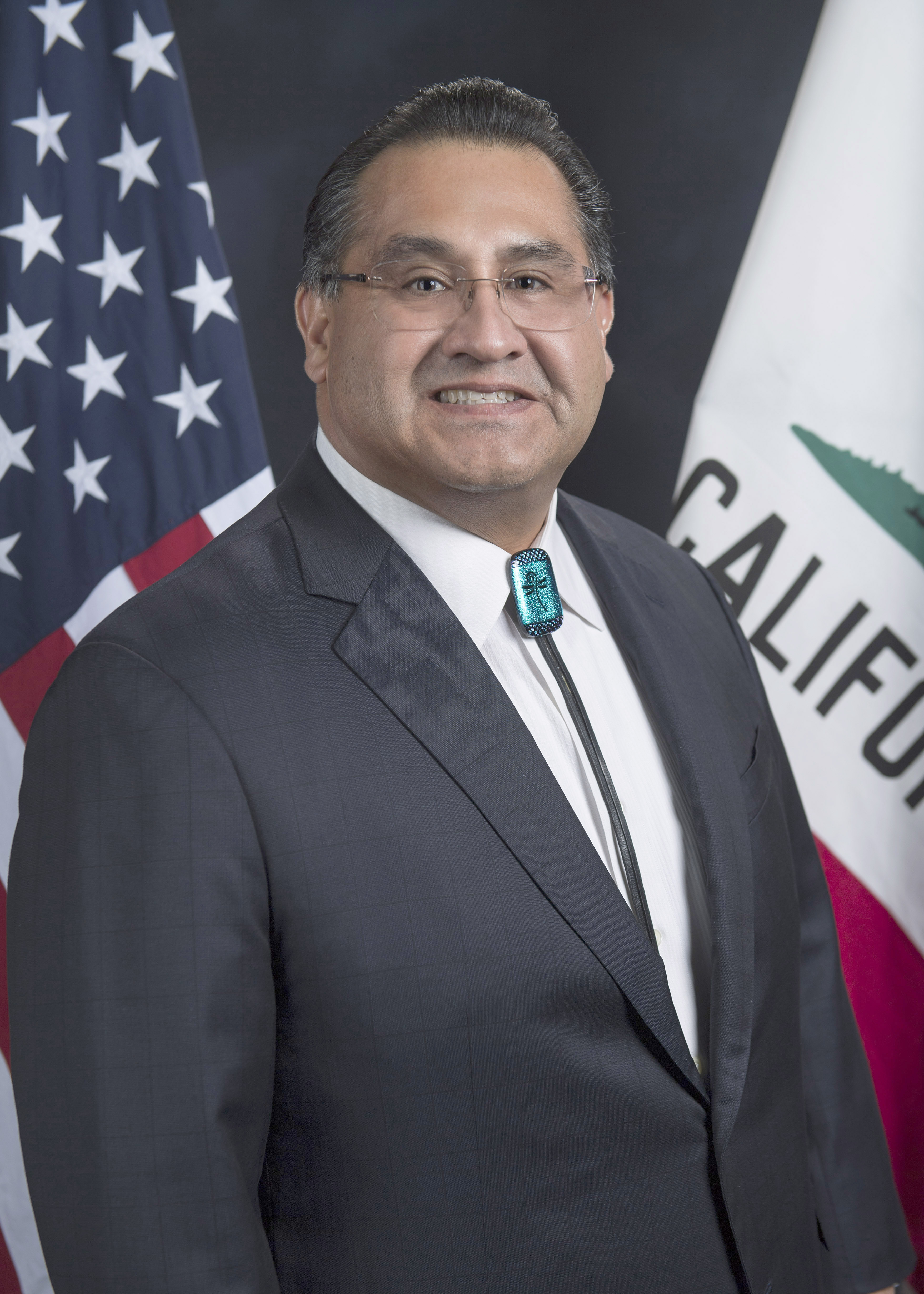
Asm. James Ramos
Sponsored bills
Maddy summaryThis bill designates April 2026 as Second Chance Month in California to raise awareness about opportunities for individuals reentering society after incarceration. The measure is a ceremonial proclamation that does not alter laws, allocate funding, or change government operations. Its primary purpose is to encourage public recognition of the challenges faced by formerly incarcerated people and to highlight available support resources during that specific month.
This measure would proclaim the week of April 20, 2026, to April 24, 2026, inclusive, as California Home Visiting Week, and would encourage all Californians to recognize and celebrate the contributions of home visiting programs and professionals and the families they serve.
Maddy summaryThis bill designates the week of April 19 to April 25, 2026, as Mosquito Awareness Week. The measure is a commemorative resolution that officially recognizes this specific time period to highlight mosquito-related issues. It does not create new laws, impose regulations, or allocate funding, but rather serves to raise public awareness through official designation.
Maddy summaryThis bill designates April 2026 as Parkinson's Disease Awareness Month in California. It requires state officials to issue a formal proclamation highlighting the importance of raising public awareness about the condition. The measure does not change laws or allocate funding but serves to recognize the month dedicated to this health issue.
This measure would proclaim March 2026 as American Red Cross Month, dedicate it to all those who continue to advance the noble legacy of the organization's founder, and encourage all Californians to reach out, support the organization's humanitarian mission, and join in their commitment to care for people in need.
Maddy summaryThis bill designates April 14 of every year as Sylvia Mendez Day to honor the civil rights activist who challenged school segregation in California. The measure is a commemorative resolution that does not change laws, allocate funding, or alter government operations. By establishing this annual observance, the state recognizes Mendez's historical contributions to education and civil rights.
Maddy summaryThis bill designates the week of April 5, 2026, through April 11, 2026, as Special Districts Week. It directly affects special districts, which are local government entities that provide specific services like water supply or fire protection to communities. The primary mechanism is an official proclamation that encourages public awareness and recognition of the work these districts perform. This measure does not alter any laws or budgets but serves as a commemorative resolution to highlight the importance of special districts.
Maddy summaryThis bill designates the week of April 12 to April 18, 2026, as California Public Safety Telecommunicators Week to honor the work of emergency call operators. The measure does not change laws or allocate funding; it simply establishes an official state observance. By creating this designated week, the legislation aims to bring public attention to the role of telecommunicators without altering their duties or compensation.
Maddy summaryThis bill designates April 19, 2026, as World Irritable Bowel Syndrome Day within the state of California. It serves as a commemorative resolution intended to raise awareness about the condition on a specific date. The measure does not create new laws, funding, or administrative requirements but simply establishes an official day of recognition.