

Passed May 2, 2016
1 co-sponsor
Total votes
27,091
all sessions
Attendance
91%
2,122 missed
Lower than 85% of chamber peers
With party
97%
of cast votes
Near the chamber average
Bipartisan score
2%
crosses aisle rarely
Near the chamber average
Sponsored
2,638
bills & resolutions
Higher than 86% of chamber peers
Committees
11
assignments
2,638 bills and resolutions
Sponsored bills
Total
2,638
Primary
235
Co-sponsor
2,403
This page
2,638
matching current filters
Relative to California Agriculture Day.
This measure would recognize and honor the men and women of California agriculture for their dedication and productivity by observing March 15, 2016, as National Agriculture Day, and designating March 16, 2016, as California Agriculture Day.
Signed into law Apr 29, 2016
1 co-sponsor
Relative to John Wayne.
This bill would recognize May 26, 2016, as John Wayne Day.
Failed Apr 28, 2016
1 co-sponsor
Controlled substances.
(1) Existing law generally provides that the possession of Ketamine, gamma hydroxybutyric acid (GHB) , and flunitrazepam is a misdemeanor, punishable by imprisonment in the county jail for not more than one year. This bill would make it a felony, punishable by imprisonment in the county jail for 16 months, or 2 or 3 years, to possess Ketamine, flunitrazepam, or GHB, with the intent to commit sexual assault, as defined for these purposes to include, among other acts, rape, sodomy, and oral copulation. By creating a new crime, this bill would impose a state-mandated local program. (2) The California Constitution requires the state to reimburse local agencies and school districts for certain costs mandated by the state. Statutory provisions establish procedures for making that reimbursement. This bill would provide that no reimbursement is required by this act for a specified reason.
Vetoed Apr 25, 2016
1 co-sponsor
Unmanned aircraft systems.
(1) Existing law makes it a misdemeanor to engage in disorderly conduct that delays or prevents a fire from being timely extinguished or to resist or interfere with the lawful efforts of a firefighter in the discharge of an official duty. Existing law makes it a misdemeanor to impede police officers, firefighters, emergency personnel, or military personnel in the performance of their duties in coping with an emergency. This bill would make it unlawful to knowingly, intentionally, or recklessly operate an unmanned aircraft or unmanned aircraft system, as defined, in a manner that prevents or delays the extinguishment of a fire, or in any way interferes with the efforts of firefighters to control, contain, or extinguish a fire. The bill would make a violation of this prohibition punishable by imprisonment in a county jail not to exceed 6 months, by a fine not to exceed $5,000, or by both that fine and imprisonment. By creating a new crime, this bill would impose a state-mandated local program. (2) Existing law provides certain individuals with immunity from civil liability under specific circumstances, including, among others, limiting the civil liability of a person who in good faith, and not for compensation, renders emergency medical or nonmedical care at the scene of an emergency, as specified. This bill would further limit the exposure to civil liability of an emergency responder, defined as an unpaid volunteer or private entity acting within the scope of authority implicitly or expressly provided by a public entity or a public employee to provide emergency services, for damages to an unmanned aircraft or unmanned aircraft system, if the damage was caused while the emergency responder was performing specific emergency services and the unmanned aircraft or unmanned aircraft system was interfering with the provision of those emergency services. (3) The Government Claims Act sets forth the general procedure for the presentation of a claim as a prerequisite to the commencement of an action for money or damages against a "public entity" or a "public employee," and defines those terms for its purposes. The act prohibits liability against a public entity or public employee for, among other things, certain acts relating to the provision of fire protection and police and correctional activities, as specified. This bill would further limit the exposure to civil liability of a public entity or public employee for damage to an unmanned aircraft or unmanned aircraft system, if the damage was caused while the public entity or public employee was performing specific emergency services and the unmanned aircraft or unmanned aircraft system was interfering with the provision of those emergency services. (4) The California Constitution requires the state to reimburse local agencies and school districts for certain costs mandated by the state. Statutory provisions establish procedures for making that reimbursement. This bill would provide that no reimbursement is required by this act for a specified reason. (5) This bill would declare that it is to take effect immediately as an urgency statute.
Vetoed Apr 25, 2016
1 co-sponsor
In-home supportive services: reading services for blind and visually impaired recipients.
Existing law provides for the Medi-Cal program, which is administered by the State Department of Health Care Services, and under which qualified low-income individuals receive health care services. The Medi-Cal program is, in part, governed and funded by federal Medicaid program provisions. Existing law provides for the county-administered In-Home Supportive Services (IHSS) program, under which, either through employment by the recipient, or by or through contract by the county, qualified aged, blind, and disabled persons receive services enabling them to remain in their own homes. Existing law requires the provision of personal care services under the Medi-Cal program to eligible IHSS recipients. Under existing law, county welfare departments are required to provide visually impaired applicants and recipients with information on, and referral services to, entities that provide reading services to visually impaired persons. Existing law defines "supportive services" for purposes of the IHSS program. This bill would, commencing January 1, 2017, include within the definition of supportive services up to 2 hours per month of assistance in reading and completing financial and other documents for a recipient of services under the IHSS program who is blind. By expanding the scope of available services under the IHSS program, this bill would impose a state-mandated local program. The bill would also require the Director of Health Care Services to seek any federal approvals necessary to ensure that Medicaid funds may be used in implementing this provision. The bill would authorize the department to implement the provision through all-county letters or similar instructions from the director until emergency regulations are filed, and would require the adoption of emergency regulations by January 1, 2018, and final regulations by January 1, 2019, to implement this provision, as specified. The California Constitution requires the state to reimburse local agencies and school districts for certain costs mandated by the state. Statutory provisions establish procedures for making that reimbursement. This bill would provide that, if the Commission on State Mandates determines that the bill contains costs mandated by the state, reimbursement for those costs shall be made pursuant to these statutory provisions.
Vetoed Apr 25, 2016
1 co-sponsor
Victim restitution: jurisdiction.
Existing law requires a court to impose a separate and additional restitution fine in each case in which a person is convicted of a crime. If the economic losses of a victim cannot be ascertained at the time of sentencing, existing law requires a court to retain jurisdiction over a person subject to a restitution order for purposes of imposing or modifying restitution until such time as the losses may be determined. Two state appellate court decisions have held that under state law a court acts in excess of its jurisdiction by ordering restitution or modifying a restitution order after the explanation of a defendant's probation. This bill would expressly abrogate the holdings in those decisions by requiring the court to retain jurisdiction over a defendant for purposes of imposing or modifying restitution at any time.
Failed Apr 21, 2016
1 co-sponsor
Passed Apr 21, 2016
1 co-sponsor
Passed Apr 21, 2016
1 co-sponsor
Passed Apr 21, 2016
1 co-sponsor
Ask Maddy
·
AI policy assistant
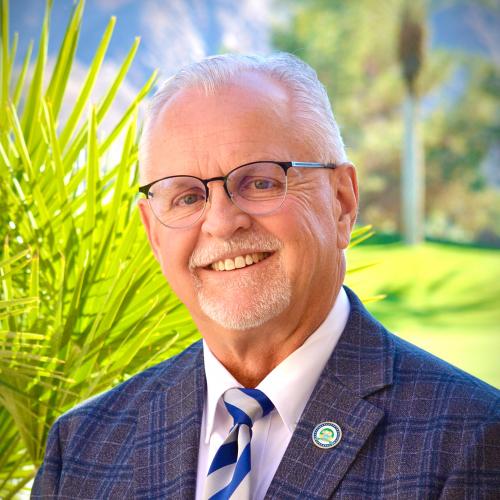
Ask Maddy about Tom Lackey
Scope: california
Hi! I can help you understand Tom Lackey's legislative record. What would you like to know?
Try one of these
i
Maddy answers using official bill text and legislative records. Always verify before sharing.
Sources cited inline