

The Electric Vehicle Charging Stations Open Access Act prohibits the charging of a subscription fee on persons desiring to use an electric vehicle charging station, as defined, and prohibits requiring those persons to obtain membership in any club, association, or organization as a condition of using the station, except as specified. The act requires an electric vehicle charging station to provide to the general public 2 specified options for payment. The act also authorizes the State Air Resources Board, if no interoperability billing standards have been adopted by a national standards organization by January 1, 2015, to adopt interoperability billing standards, as defined, for network roaming payment methods for electric vehicle charging stations, and requires, if the state board adopts standards, all electric vehicle charging stations that require payment to meet those standards within one year. This bill instead would require an electric vehicle charging station to provide to the general public a toll-free telephone number for processing a credit card payment and onsite capacity for credit card payment, as defined. The bill instead would authorize the state board, if no interoperability billing standards, as defined, have been adopted by an international standards organization by January 1, 2021, to adopt interoperability billing standards for network roaming payment methods for electric vehicle charging stations, and would require, if the state board adopts standards, all electric vehicle charging stations that require payment to meet those standards by deadlines specified by the state board.
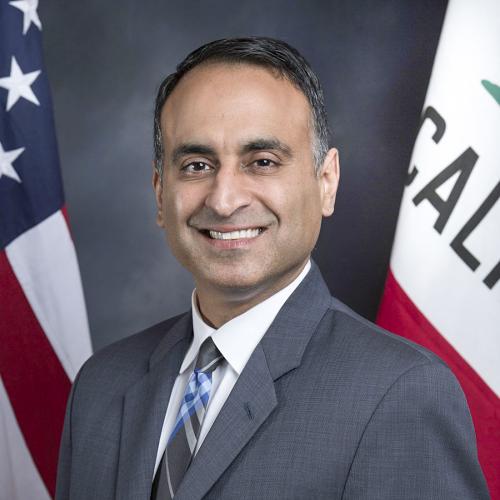
Asm. Ash Kalra
Sponsored bills
Existing law, the California Community Care Facilities Act, provides for the licensure and regulation of community care facilities, including group homes and foster family agencies, by the State Department of Social Services. Existing law requires the State Department of Social Services, subject to the availability of funding, to contract with qualified nonprofit legal services organizations to provide legal services to unaccompanied undocumented minors, as defined, who are transferred to the care and custody of the federal Office of Refugee Resettlement and who are present in this state. This bill would require the department to create a facilities liaison position within its immigration services unit to, among other duties, assist state-licensed group homes, short-term residential therapeutic programs (STRTPs) , foster family agencies, and resource families that serve undocumented immigrant youth in connecting with appropriate supports and services, including, but not limited to, legal services, mental health assessments and services, and public benefits, as specified. The bill would, when appropriate, require the facilities liaison to assist in arranging a meeting for identified unaccompanied undocumented minors with a qualified organization that has received a grant to provide legal services. The bill would require the department to develop and issue guidance to counties, licensees, and other providers regarding the provision of services to undocumented immigrant youth and their caregivers.
This measure would recognize June 12, 2019, as the 121st Anniversary of Philippine Independence and would call upon the people of the state to observe the month of June with appropriate ceremonies, programs, and activities.
This measure would urge the President and the Congress of the United States to enact legislation to provide permanent legal status and a path to citizenship for immigrant youths and individuals with Deferred Enforced Departure and Temporary Protected Status.
This measure proclaims September 22, 2019, to September 28, 2019, to be Special Districts Week.