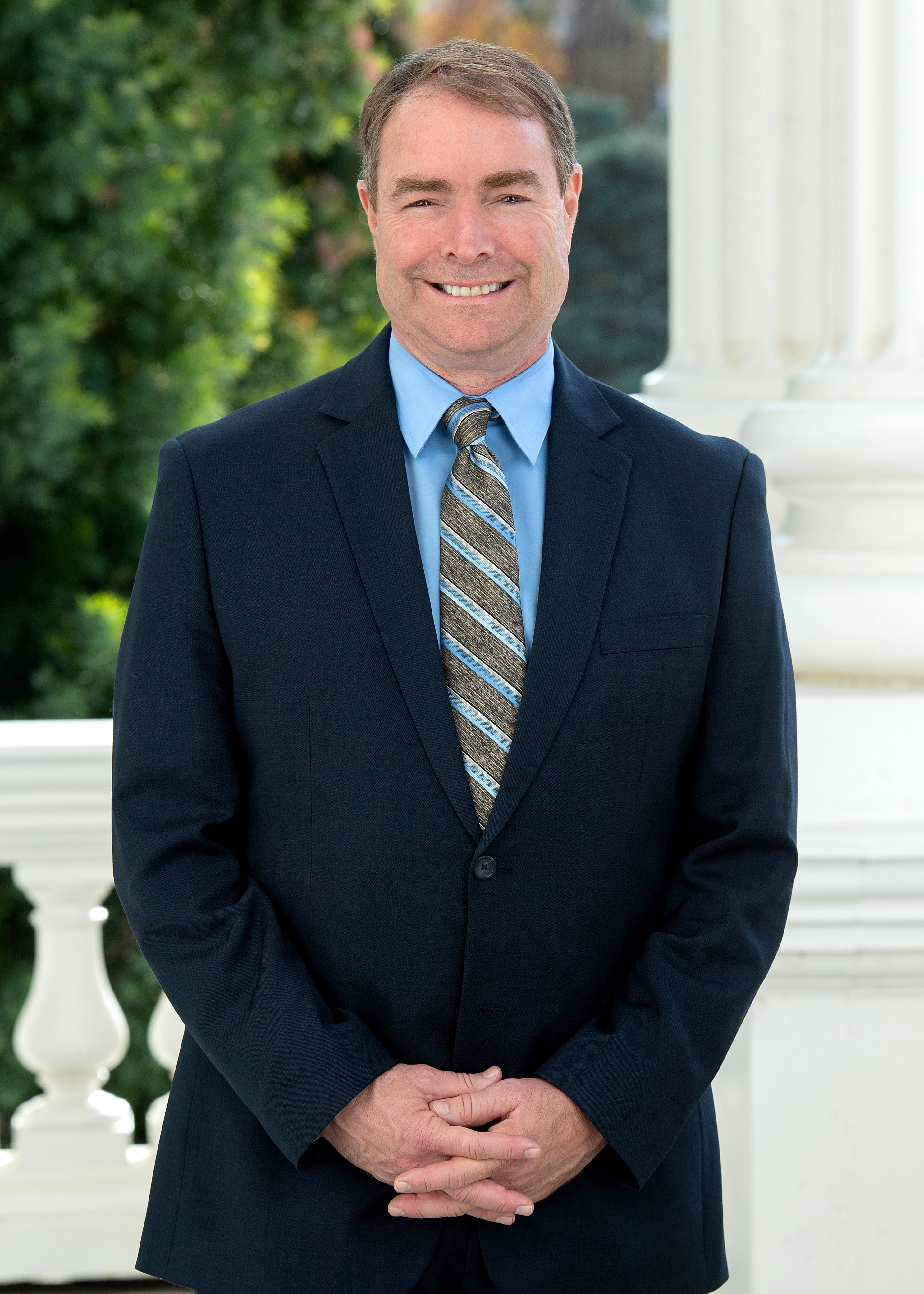
This measure would designate November 1, 2025, as Fernando Valenzuela Day, to highlight the positive impact his legacy created in the Latino and Hispanic community.
Sponsored bills
This measure would recognize the importance of California Native American Day, celebrated this year on September 26, 2025, and the annual California Indian Cultural Awareness Conference, to the enhancement of awareness of California Indian culture.
(1) Existing law prohibits, except as required by state or federal law or as required to administer a state or federally supported educational program, school officials and employees of a school district, county office of education, or charter school from collecting information or documents regarding citizenship or immigration status of pupils or their family members. Existing law requires the superintendent of a school district, the superintendent of a county office of education, and the principal of a charter school, as applicable, to report to the respective governing board or body of the local educational agency in a timely manner any requests for information or access to a schoolsite by an officer or employee of a law enforcement agency for the purpose of enforcing the immigration laws in a manner that ensures the confidentiality and privacy of any potentially identifying information. This bill would prohibit school officials and employees of a local educational agency from allowing an officer or employee of an agency conducting immigration enforcement to enter a nonpublic area of a schoolsite, as defined, for any purpose without being presented with a valid judicial warrant, judicial subpoena, or a court order. The bill would require school officials and employees of a local educational agency, to the extent practicable, to request valid identification of any officer or employee of an agency conducting immigration enforcement seeking to enter a nonpublic area of a schoolsite. The bill would also prohibit a local educational agency and its personnel from disclosing or providing, in writing, verbally, or in any other manner, the education records of or any information about a pupil or a pupil's family and household without the pupil's parents' or guardians' written consent, a school employee, or a teacher to an officer or employee of an agency conducting immigration enforcement without a valid judicial warrant or judicial subpoena, or court order directing the local educational agency or its personnel to do so. By imposing additional duties on local educational agencies, the bill would impose a state-mandated local program. (2) Existing law requires the Attorney General, by April 1, 2018, in consultation with the appropriate stakeholders, to publish model policies limiting assistance with immigration enforcement at public schools, to the fullest extent possible consistent with federal and state law, and ensuring that public schools remain safe and accessible to all California residents, regardless of immigration status, as provided. Existing law requires local educational agencies, by July 1, 2018, to adopt those model policies developed by the Attorney General or equivalent policies. This bill would require the Attorney General, by December 1, 2025, to update those model policies to ensure that the policies align with the above-described prohibitions on school officials and employees of local educational agencies allowing an officer or employee of an agency conducting immigration enforcement to enter a nonpublic area of a schoolsite without a valid judicial warrant or judicial subpoena, or a court order and from disclosing or providing certain information to those officers or employees, as provided. The bill also would require a local educational agency to update its model policy by March 1, 2026, and to make the policy available to the State Department of Education upon request. By imposing additional duties on local educational agencies, the bill would impose a state-mandated local program. (3) This bill would make these provisions severable. (4) The California Constitution requires the state to reimburse local agencies and school districts for certain costs mandated by the state. Statutory provisions establish procedures for making that reimbursement. This bill would provide that, if the Commission on State Mandates determines that the bill contains costs mandated by the state, reimbursement for those costs shall be made pursuant to the statutory provisions noted above. (5) This bill would declare that it is to take effect immediately as an urgency statute.
Existing law makes it a misdemeanor to wear a mask, false whiskers, or any personal disguise, as specified, with the purpose of evading or escaping discovery, recognition, or identification while committing a public offense, or for concealment, flight, evasion, or escape from arrest or conviction for any public offense. This bill would make it a crime for a law enforcement officer to wear a facial covering in the performance of their duties, except as specified. The bill would define law enforcement officer as anyone designated by California law as a peace officer who is employed by a city, county, or other local agency, and any officer or agent of a federal law enforcement agency or law enforcement agency of another state, or any person acting on behalf of a federal law enforcement agency or agency of another state. The bill would make a violation of these provisions punishable as an infraction or a misdemeanor, as specified. By creating a new crime, this bill would impose a state-mandated local program. The bill would require any law enforcement agency operating in California to, by July 1, 2026, maintain and publicly post a written policy limiting the use of facial coverings, as specified. The bill would exempt personnel of any agency from the crime of wearing a facial covering if an agency maintains a policy pursuant to this section no later than July 1, 2026. The bill would deem a policy consistent with these provisions for the purposes of that exception unless a member of the public, an oversight body, or a local governing authority challenges it. The bill would also impose a specified civil penalty against certain officers for tortious conduct, including, but not limited to, false imprisonment or false arrest of an individual while wearing a facial covering. The bill would, if the agency does not address deficiencies within 90 days, authorize the complaining party to proceed to a court of competent jurisdiction for a judicial determination of the exemption, as specified. The bill would define a law enforcement agency for these purposes as any entity of a city, county, or other local agency, that employs anyone designated by California law as a peace officer, any federal law enforcement agency, or any law enforcement agency of another state. By imposing additional duties on local law enforcement agencies, this bill would create a state-mandated local program. This bill would declare its provisions to be severable. This bill would make related findings and declarations. The California Constitution requires the state to reimburse local agencies and school districts for certain costs mandated by the state. Statutory provisions establish procedures for making that reimbursement. This bill would provide that with regard to certain mandates no reimbursement is required by this act for a specified reason. With regard to any other mandates, this bill would provide that, if the Commission on State Mandates determines that the bill contains costs so mandated by the state, reimbursement for those costs shall be made pursuant to the statutory provisions noted above.

This measure would declare the Legislature's opposition to the unlawful Executive Order No. 14160, entitled "Protecting the Meaning and Value of American Citizenship," ending birthright citizenship as enshrined in the United States Constitution and would affirm the Legislature's commitment to birthright citizenship, as specified.
This measure would declare the month of March to be March4Water Month in California and would encourage all Californians to participate in activities and programs during March4Water Month to promote awareness, education, and actions that prioritize water as a vital resource for the state's future.
Maddy summaryACR 95 designates June 21, 2025, as the International Day of Yoga in California. This ceremonial resolution formally recognizes the day for public awareness but has no legal effect or policy changes. It directly affects California residents by encouraging community observances of the international event. The measure is purely symbolic, with no funding, regulations, or new obligations for state agencies or individuals.
This measure would state, among other things, the Legislature and the State of California's commitment to protecting, to the fullest extent of the law, all the data and information provided by students and their families to California's postsecondary education.
Maddy summaryACR 100 is a symbolic resolution recognizing August 15, 2025, as India's Independence Day in California. It urges all Californians to participate in celebrating India's independence on that date. This resolution does not create new laws or affect specific groups, but formally acknowledges the historical significance of India's independence day. It serves as a ceremonial gesture by the California legislature to honor this event.
Maddy summaryThis symbolic resolution encourages California public buildings (state, county, and municipal) to display the 9/11 Remembrance Flag annually on September 11. It allows public officials to accept donated flags for display but does not mandate their use. The resolution recognizes the flag's design and prior adoption by other states, emphasizing its role as a unifying symbol of remembrance. It has no binding legal effect beyond encouraging voluntary annual display.