Issue · Criminal Justice

Criminal Justice (Law Enforcement)

Every criminal justice bill, vote, and legislator stance in California, automatically classified by Maddy, our AI policy reader.

Total bills
68
2025-2026 Regular Session
Top supporter
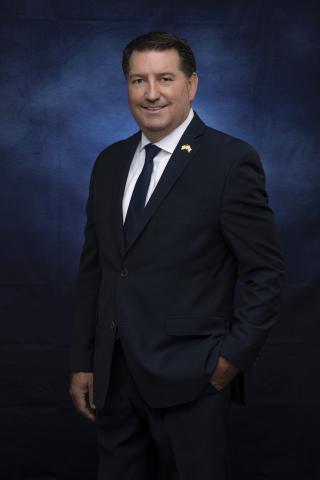
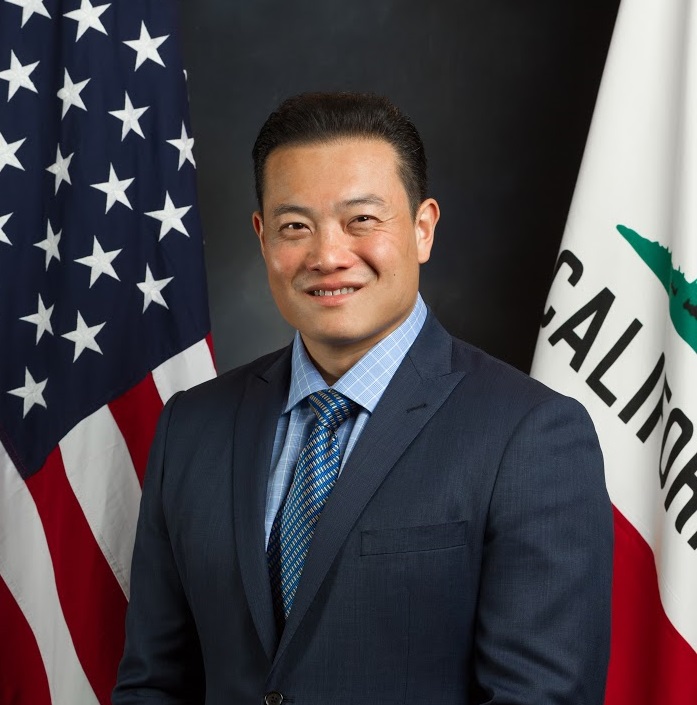
Tim Grayson
100% support rate
Top opponent
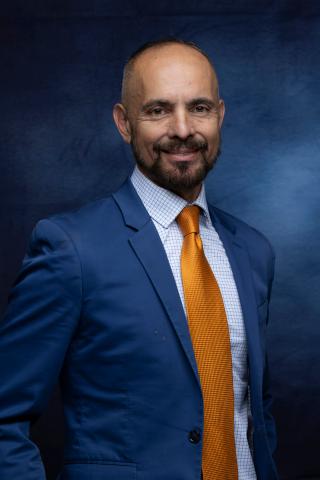
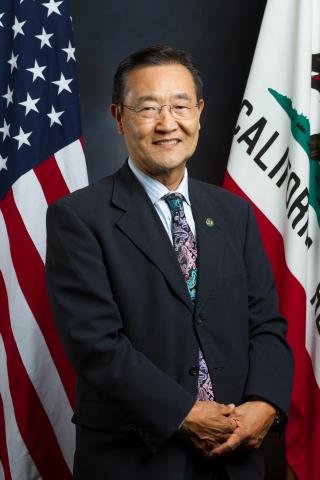
Tri Ta
0% support rate
Ranked legislators
10
5 support · 5 oppose
Key legislators

Who's moving law enforcement in California

Legislators moving law enforcement in California
Legislator Party Stance Support rate Votes
Tim Grayson
Tim Grayson Senate · District 9
D
Strong +
100% 26
Christopher Cabaldon
Christopher Cabaldon Senate · District 3
D
Strong +
100% 25
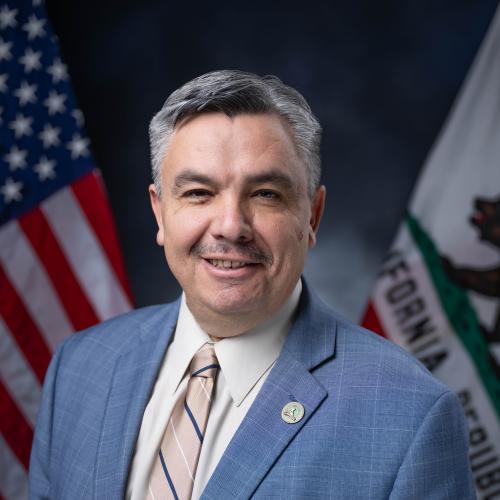
Joaquin Arambula
Joaquin Arambula House · District 31
D
Strong +
100% 24
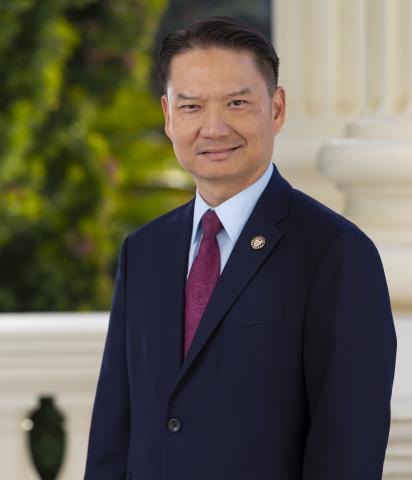
Juan Carrillo
Juan Carrillo House · District 39
D
Strong +
100% 21
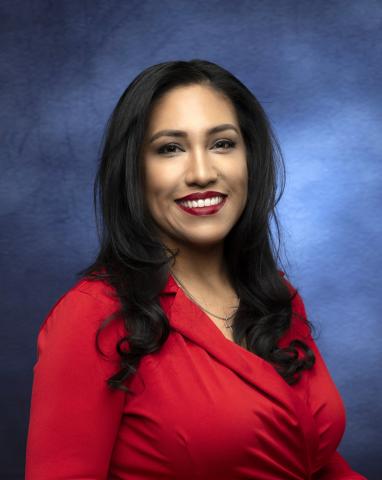
ME
María Elena Durazo Senate · District 26
D
Strong +
100% 20
Tri Ta
Tri Ta House · District 70
R
Strong −
0% 27
Phillip Chen
Phillip Chen House · District 59
R
Strong −
0% 19
Steve Choi
Steve Choi Senate · District 37
R
Strong −
0% 19
Suzette Valladares
Suzette Valladares Senate · District 23
R
Strong −
0% 14
Megan Dahle
Megan Dahle Senate · District 1
R
Strong −
4% 25
Showing 51–60 of 68 bills

All criminal justice bills

signed · California · Assembly Jul 14, 2025

AB 354: Commission on Peace Officer Standards and Training.

(1) Existing law establishes the Commission on Peace Officer Standards and Training (POST) to, among other functions, certify the eligibility of those persons appointed as peace officers throughout the state. Existing law authorizes POST, as specified, to decertify a certified peace officer for engaging in serious misconduct, as specified. Existing law requires any agency that employs peace officers to, within 10 days, notify POST of specified occurrences including any complaint, charge, or allegation of serious misconduct by a peace officer employed by that agency and the final disposition of any investigation into that complaint, charge, or allegation, regardless of the discipline actually imposed. Existing law provides that each law enforcement agency shall be responsible for the completion of an investigation into any allegation of serious misconduct by an officer, regardless of the officer's employment status. Existing law establishes the California Law Enforcement Telecommunications System (CLETS) within the Department of Justice to facilitate the exchange and dissemination of information between law enforcement agencies in the state. This bill would require POST employees whose job duties require access to criminal offender record information, state summary criminal history information, or information obtained from CLETS to undergo a fingerprint-based state and national criminal history background check, as specified. (2) Existing law requires the Department of Justice to maintain state summary criminal history information, as defined, and to furnish this information to various state and local government officers, officials, and other prescribed entities, if needed in the course of their duties. Existing law makes it a crime for a person authorized by law to receive state summary criminal history information to knowingly furnish that information to a person who is not authorized to receive it. This bill would authorize the commission and all persons for whom background checks have been completed and their duties require access to inspect or duplicate any information derived from CLETS. The bill would additionally authorize the commission and the Peace Officer Standards Accountability Division to inspect and duplicate any criminal history information, criminal offender record information, or criminal justice information, or any other sensitive, confidential or privileged information if the commission determines that the information is needed in the course of the commission's duties. By expanding the scope of the crime of unlawful disclosure of state summary criminal history information, this bill would impose a state-mandated local program. (3) The California Constitution requires the state to reimburse local agencies and school districts for certain costs mandated by the state. Statutory provisions establish procedures for making that reimbursement. This bill would provide that no reimbursement is required by this act for a specified reason. (4) This bill would declare that it is to take effect immediately as an urgency statute.
failed · California · Assembly Feb 2, 2026

AB 1115: Peace officers: mental health liaisons.

The California Constitution authorizes local governments to make and enforce all police and sanitary ordinances and regulations within its limits that are not in conflict with general laws. Existing law requires the board of supervisors of a county and the governing body of a city to take measures necessary to preserve and protect the public health in its jurisdiction. This bill would authorize a local government to designate one or more existing employees specializing in counseling or mental health services as a law enforcement mental health liaison to facilitate mental health support for peace officers who serve the local jurisdiction. The bill would make related findings and declarations.
failed · California · Assembly Feb 2, 2026

AB 1019: Enhancing Law Enforcement Activities Subaccount: identification of unidentified human remains.

Existing law requires a certain percentage of funds to be allocated to specified rural and small county sheriffs' departments from funds remaining in the Enhancing Law Enforcement Activities Subaccount in the Local Revenue Fund 2011, as specified. Existing law requires that funds allocated pursuant to these provisions be used to enhance law enforcement efforts in those counties. This bill would specifically authorize a county sheriff's department to use up to 20% of those funds for the identification of unidentified human remains, including using the funds for forensic examination and genealogical research.
Sub-Topics Law Enforcement
failed · California · Assembly Jan 7, 2026

AB 68: School safety: armed school resource officers.

Existing law authorizes the governing board of a school district to establish a security department under the supervision of a chief of security as designated by, and under the direction of, the superintendent of the school district. Existing law also authorizes the governing board of a school district to establish a school police department under the supervision of a school chief of police and to employ peace officers. This bill would require, commencing with the 2028–29 school year, and each school year thereafter, a rural school district or charter school, as defined, to determine the appropriate number of armed school resource officers, as defined, authorized to carry a loaded firearm for each school of the rural school district or charter school. The bill would require the governing board of the school district or the governing body of the charter school to ensure that at least one armed school resource officer is present during regular school hours at each school of the rural school district or charter school that meets specified criteria, as provided. By imposing an additional requirement on school districts and charter schools, the bill would impose a state-mandated local program. The bill would authorize the governing board or body, if it is unable to comply with these requirements due to the unavailability of funding or personnel who qualify to serve as an armed school resource officer, to claim a good cause exception to these requirements by adopting a resolution, as provided. The California Constitution requires the state to reimburse local agencies and school districts for certain costs mandated by the state. Statutory provisions establish procedures for making that reimbursement. This bill would provide that, if the Commission on State Mandates determines that the bill contains costs mandated by the state, reimbursement for those costs shall be made pursuant to the statutory provisions noted above.
failed · California · Assembly Feb 2, 2026

AB 284: Law enforcement: Racial and Identity Profiling Advisory Board (RIPA).

Existing law requires each state and local agency that employs peace officers to annually report to the Attorney General specified data on all stops conducted by that agency's peace officers for the preceding calendar year. Existing law defines "stop" for purposes of these provisions to mean any detention by a peace officer of a person or any peace officer interaction with a person in which the peace officer conducts a search of the person's body or property in the person's possession or control. Existing law requires the Attorney General to establish the Racial and Identity Profiling Advisory Board (RIPA) for the purpose of eliminating racial and identity profiling and improving diversity and racial and identity sensitivity in law enforcement. Existing law requires RIPA to include various members, including 2 representatives of human or civil rights tax-exempt organizations, 2 representatives of community organizations, and 2 religious clergy members, as specified. Existing law authorizes the Governor, President pro Tempore of the Senate, and Speaker of the Assembly to each prescribe up to 2 other members to membership of RIPA. This bill would require RIPA to include in its membership the president of the California District Attorneys Association, or their designee. Existing law requires RIPA to issue a report annually that provides RIPA's analysis of, among other things, the reported stop data described above. Existing law also requires the report to provide detailed findings on the past and current status of racial identity profiling and to make policy recommendations for eliminating racial and identity profiling, as specified. This bill would authorize any member of RIPA to cause a dissenting opinion to be included in the report, as specified. The bill would additionally authorize RIPA to include a response to a dissenting opinion in its report.
passed both · California · Senate Aug 30, 2026

SB 691: Body-worn cameras: policies.

Existing law requires law enforcement agencies, departments, or entities to consider specified best practices regarding the downloading and storage of body-worn camera data, such as specifically stating the length of time that recorded data is to be stored, when establishing policies and procedures for the implementation and operation of a body-worn camera system, as specified. This bill would require, on or before July 1, 2027, each law enforcement agency that has a body-worn camera policy to update that policy to include a procedure for emergency service personnel to request the redaction of evidentiary and nonevidentiary recordings of a patient undergoing medical or psychological evaluation, procedure, or treatment by emergency service personnel, and to maintain an unredacted copy of the recording consistent with the policies and procedures of the agency. By requiring local law enforcement agencies to adopt new policies, this bill would impose a state-mandated local program. The California Constitution requires the state to reimburse local agencies and school districts for certain costs mandated by the state. Statutory provisions establish procedures for making that reimbursement. This bill would provide that, if the Commission on State Mandates determines that the bill contains costs mandated by the state, reimbursement for those costs shall be made pursuant to the statutory provisions noted above.
failed · California · Assembly Feb 2, 2026

AB 63: Loitering with intent to commit prostitution.

Existing law, until January 1, 2023, prohibited loitering in a public place with the intent to commit prostitution, as defined, and made that crime a misdemeanor. This bill would reinstate those provisions and would prohibit law enforcement, as defined, from making an arrest pursuant to these provisions solely based on the individual's gender identity or sexual orientation. The bill would also require law enforcement, prior to making an arrest of the individual pursuant to these provisions, to document their attempts to offer the individual services. By creating a new crime, and by imposing new duties on local law enforcement, this bill would impose a state-mandated local program. The California Constitution requires the state to reimburse local agencies and school districts for certain costs mandated by the state. Statutory provisions establish procedures for making that reimbursement. This bill would provide that with regard to certain mandates no reimbursement is required by this act for a specified reason. With regard to any other mandates, this bill would provide that, if the Commission on State Mandates determines that the bill contains costs so mandated by the state, reimbursement for those costs shall be made pursuant to the statutory provisions noted above.
Sub-Topics Law Enforcement
signed · California · Assembly May 28, 2025

ACR 60: Peace officers: disability-informed response programs.

This measure would recognize the significance of disability-informed response programs in promoting public safety and community trust. The measure would also commend the efforts of law enforcement agencies that have implemented disability-informed response programs in consultation with disability communities.
Sub-Topics Law Enforcement
signed · California · Senate Oct 1, 2025

SB 385: Peace officers.

Existing law required the Chancellor of the California Community Colleges, on or before June 1, 2023, in consultation with specified entities, to develop a modern policing degree program and to prepare and submit a report to the Legislature outlining a plan to implement the program. Existing law establishes the Commission on Peace Officer Standards and Training within the Department of Justice and requires the commission, within 2 years of the submission of the report, to approve and adopt the education criteria for peace officers, based on the recommendations in the report. This bill would repeal the requirement for the commission to approve and adopt the criteria described above. This bill would declare that it is to take effect immediately as an urgency statute.
Sub-Topics Law Enforcement
signed · California · Assembly Oct 6, 2025

AB 1108: County officers: coroners: in-custody deaths.

Existing law specifies the officers of a county, including, but not limited to, the coroner. Existing law authorizes the board of supervisors of a county to consolidate the duties of various county offices in various combinations, including combining the duties of the sheriff and the coroner. Existing law defines a "forensic autopsy" as an examination of a body of a decedent to generate medical evidence for which the cause of death is determined. In cases in which a forensic autopsy is performed, existing law requires the manner of death to be determined by the coroner or medical examiner of a county. This bill would enact the Forensic Accountability, Custodial Transparency, and Safety (FACTS) Act of 2025. The bill would, commencing January 1, 2027, in any county in which the offices of the sheriff and the coroner are combined, prohibit the sheriff-coroner from determining the circumstances, manner, and cause of death, as provided, for an in-custody death, as defined. The bill, instead, would require the sheriff-coroner to contract with one or more counties that have a coroner's office that operates independently from the office of the sheriff, or that have established an office of medical examiner, as specified, or with one or more private third-party medical examination providers that are separate and independent from the office of the sheriff-coroner and that meet certain physician qualification requirements, as specified, to determine the circumstances, manner, and cause of death. The bill would require the county board of supervisors to annually enter into a service agreement or service agreements with those medical examiners, independent coroner offices, or private third-party medical examination providers, or with any combination thereof. The bill would prohibit a private third-party medical examination provider that has entered into a service agreement from, during the term of the service agreement, being contracted by the county or the sheriff-coroner of that county to provide medical examination for any cases that do not involve in-custody deaths. The bill would define "in-custody death" for purposes of the bill to include, among other things, the death of a person who is detained, under arrest, or is in the process of being detained or arrested, is en route to be incarcerated, or is incarcerated at a municipal or county jail or state prison, or who is en route to be detained, or is detained, at a federal correctional facility or immigration detention facility, as provided. This bill would except an independent medical examination performed pursuant to those provisions from the provisions described above that require, in the case of a forensic autopsy, the manner of death to be determined by the coroner or medical examiner of a county. By imposing new duties on certain counties, the bill would impose a state-mandated local program. The bill would include findings that changes proposed by this bill address a matter of statewide concern and, therefore, apply to all counties, including charter counties. The California Constitution requires the state to reimburse local agencies and school districts for certain costs mandated by the state. Statutory provisions establish procedures for making that reimbursement. This bill would provide that, if the Commission on State Mandates determines that the bill contains costs mandated by the state, reimbursement for those costs shall be made pursuant to the statutory provisions noted above.
Showing 51 to 60 of 68 bills
Previous 1 5 6 7 Next