Issue · Criminal Justice

Criminal Justice (Courts)

Every criminal justice bill, vote, and legislator stance in California, automatically classified by Maddy, our AI policy reader.

Total bills
92
2025-2026 Regular Session
Top supporter
Jesse Gabriel
94% support rate
Top opponent
Heath Flora
7% support rate
Ranked legislators
10
5 support · 5 oppose
Key legislators

Who's moving courts in California

Legislators moving courts in California
Legislator Party Stance Support rate Votes
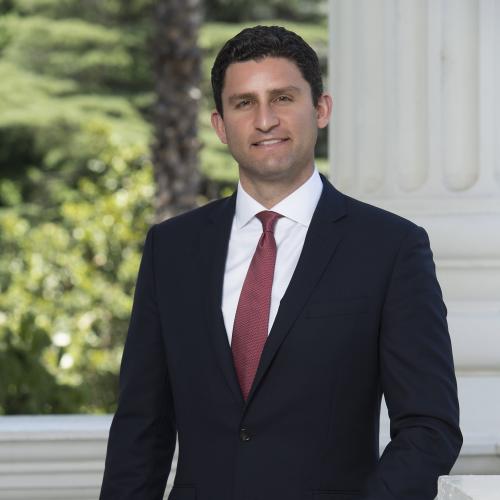
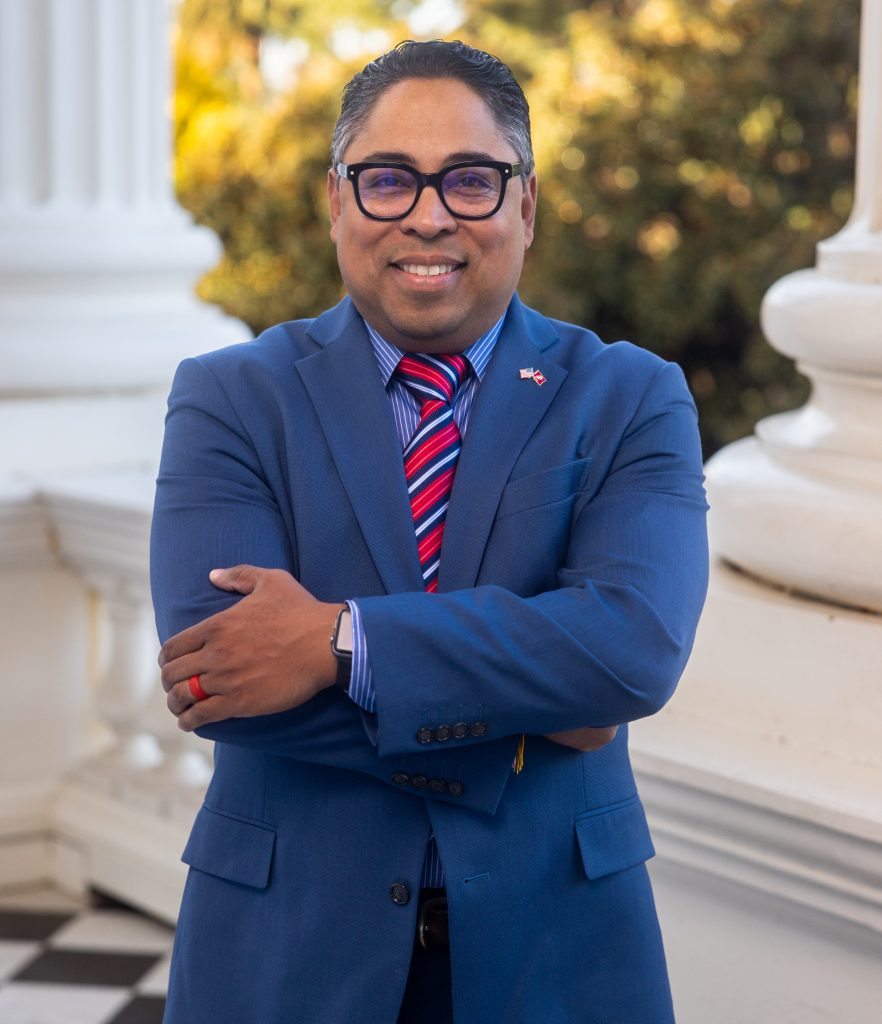
Jesse Gabriel
Jesse Gabriel House · District 46
D
Strong +
94% 17
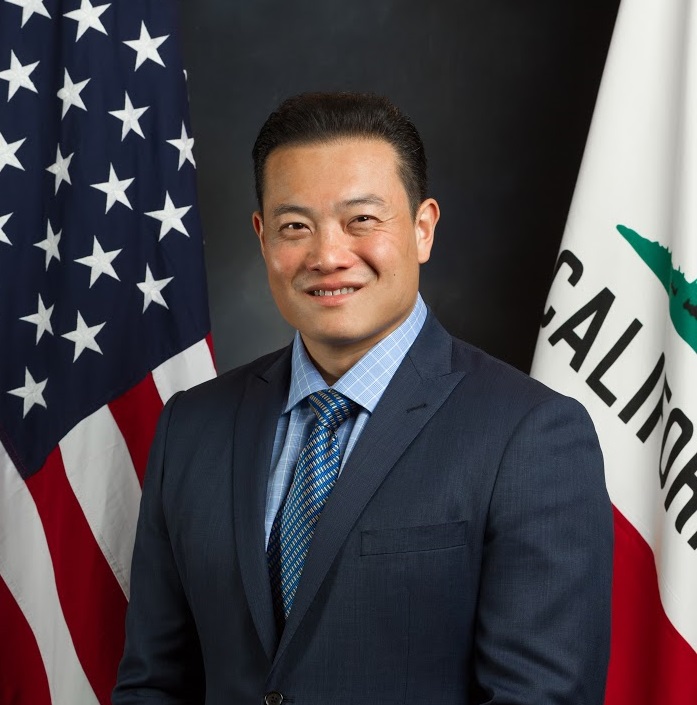
Anna Caballero
Anna Caballero Senate · District 14
D
Strong +
94% 32
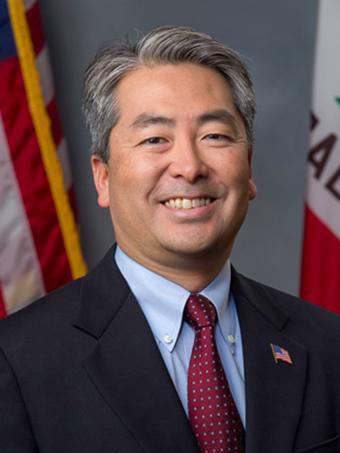
Al Muratsuchi
Al Muratsuchi House · District 66
D
Strong +
93% 14
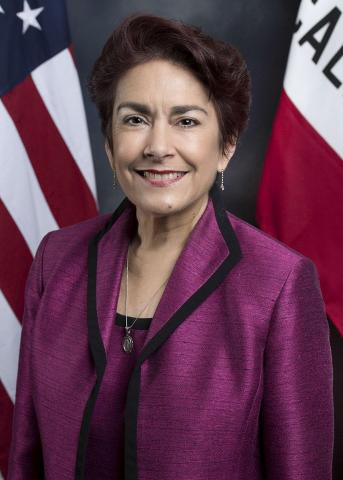
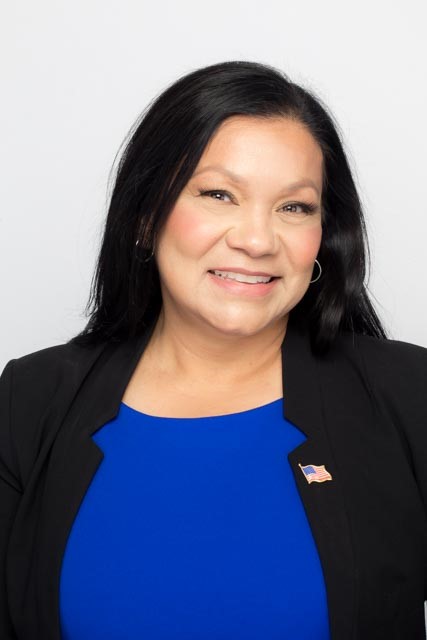
Celeste Rodriguez
Celeste Rodriguez House · District 43
D
Strong +
92% 13
Joaquin Arambula
Joaquin Arambula House · District 31
D
Strong +
92% 24
Heath Flora
Heath Flora House · District 9
R
Strong −
7% 15
Jeff Gonzalez
Jeff Gonzalez House · District 36
R
Strong −
12% 17
Phillip Chen
Phillip Chen House · District 59
R
Strong −
12% 17
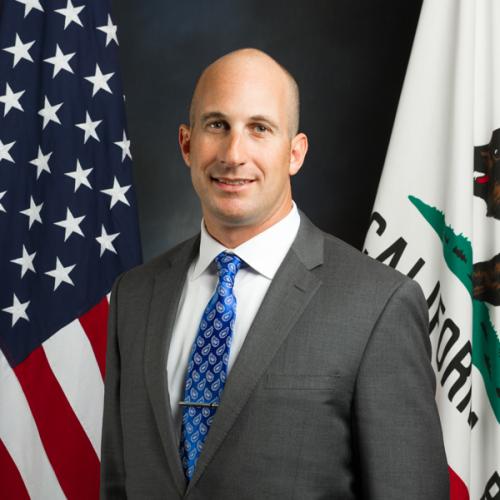
Brian Jones
Brian Jones Senate · District 40
R
Strong −
15% 20
Leticia Castillo
Leticia Castillo House · District 58
R
Strong −
15% 20
Showing 11–20 of 92 bills

All criminal justice bills

passed both · California · Senate Aug 21, 2026

SB 1211: Criminal procedure: postconviction investigation.

Existing law provides for the prosecution of crimes by the district attorney of each county. Existing law establishes procedures for litigating claims of factual innocence based on newly discovered evidence, including a motion for a new trial or a writ of habeas corpus. This bill would, if the district attorney accepts a case for postconviction review, as defined, authorize the district attorney to file a notice with the court notifying the court of the intent to investigate a claim of factual innocence. The bill would, upon the filing of the above-described notice, deem the case to be treated as if it were an open case for the purposes of investigating a claim of factual innocence. The bill would provide the district attorney with the power to issue subpoenas, compel the production of document and testimony, and file necessary motions to investigate claims, as specified. The bill would also require all materials obtained by the district attorney to be subject to a protective order, as specified, and to be disclosed to the petitioner or the petitioner's counsel within 60 days of the termination of the investigation.
passed both · California · Assembly Aug 26, 2026

AB 1961: Civil actions: protective orders: workplace violence.

Existing law authorizes an employer or collective bargaining representative of an employee who has suffered harassment, unlawful violence, or a credible threat of violence from any individual, to seek a workplace violence restraining order on behalf of the employee and, at the discretion of the court, any number of other employees at the workplace or at other workplaces of the employer. Existing law authorizes one or more representative parties to bring suit for the benefit of a class of parties if the question is one of a common or general interest, of many persons, or when the parties are numerous, and it is impracticable to bring them all before the court. This bill would authorize an employer to seek a workplace violence restraining order on behalf of all employees at the employer's workplace or a location at which a group of employees perform their primary job duties if harassment, unlawful violence or a credible threat of violence is directed at that workplace or location. The bill would not require an employer to name any individual employee as a protected party if the employer seeks a workplace violence restraining order on behalf of all employees at the employer's workplace or a location at which a group of employees perform their primary job duties. This bill would require the Judicial Council, on or before January 1, 2028, to adopt or modify its forms, as specified. This bill would incorporate additional changes to Section 527.8 of the Code of Civil Procedure proposed by AB 2179 to be operative only if this bill and AB 2179 are enacted and this bill is enacted last. This bill would incorporate additional changes to Section 527.8 of the Code of Civil Procedure proposed by AB 1753 to be operative only if (1) this bill and AB 1753 are both enacted, (2) AB 2179 is not enacted or as enacted does not amend Section 527.8 of the Code of Civil Procedure, and (3) this bill is enacted last.
failed · California · Assembly May 4, 2026

AB 2450: Sentencing: dismissal of enhancements.

Existing law generally authorizes a court to dismiss an action in the furtherance of justice. Existing law requires a court to dismiss an enhancement if it is in the furtherance of justice to do so, except if dismissal of that enhancement is prohibited by any initiative statute. This bill would make the above-described requirement to dismiss an enhancement inapplicable to specified enhancements related to drug possession and trafficking, and would instead authorize the court to dismiss those specified enhancements if it is in the furtherance of justice to do so, except if dismissal of that enhancement is prohibited by any initiative statute.
passed both · California · Assembly Aug 28, 2026

AB 2262: Courts: disqualification of judges.

Existing law establishes procedures for a judge to disqualify themselves from a case. Under existing law, if a judge who should disqualify themselves refuses or fails to do so, a party may file with the clerk a written verified statement objecting to the hearing or trial before the judge and setting forth the facts constituting grounds for disqualification of the judge. Existing law requires copies of the statement to be served on each party and personally served on the judge alleged to be disqualified or on their clerk, provided that the judge is present in the courthouse or in chambers. This bill would require the statement to be served during regular business hours on the judge alleged to be disqualified at the courthouse in which the judge is sitting. The bill would, in addition to the clerk, permit service of the statement on the designee of the clerk of the court, provided that the judge is present in the courthouse or in chambers.
Sub-Topics Courts Judges
signed · California · Senate Jun 30, 2026

SB 1143: Children's advocacy centers: recordings.

Existing law authorizes a county to use a children's advocacy center to implement a coordinated multidisciplinary response to investigate reports involving child physical or sexual abuse, exploitation, or maltreatment. Existing law requires a county that utilizes a child advocacy center to meet specified standards, including, among other things, that the children's advocacy center must verify that interviews conducted in the course of investigations are conducted in a forensically sound manner and occur in a child-focused setting designed to provide a safe, comfortable, and dedicated place for children and families. Existing law requires the children's advocacy center or other identified multidisciplinary team member custodian to ensure that all recordings of child forensic interviews be released only in response to a court order, or, upon request, to law enforcement agencies authorized to investigate child abuse or agencies authorized to prosecute juvenile or criminal conduct described in the forensic interview, or to county counsel evaluating an allegation of child abuse. Existing law requires files, reports, records, communications, and working papers used or developed in providing services through a children's advocacy center to be confidential and not public records. Existing law authorizes the members of a multidisciplinary team associated with a children's advocacy center to share with other multidisciplinary team members any information or records concerning the child and family and the person who is the subject of the investigation of suspected child abuse or neglect for the sole purpose of facilitating a forensic interview, case discussion, or providing services to the child or family, as specified. This bill would additionally authorize the members of a multidisciplinary team associated with a children's advocacy center to share with child welfare agencies authorized to investigate child abuse and neglect any information or records, as specified, for the purposes mentioned above.
passed both · California · Assembly Aug 30, 2026

AB 2179: Workplace violence: restraining orders.

Existing law authorizes any employer or authorized bargaining representative, as specified, whose employee has suffered unlawful violence or a credible threat of violence that can reasonably be construed to be carried out or to have been carried out at the workplace, to seek a temporary restraining order and an order after hearing on behalf of the employee and other employees at the workplace, as described. This bill would, beginning on January 1, 2028, allow any party or witness to a petition for a restraining order to appear remotely at a hearing and would prohibit any fee for appearing remotely. The bill would require the court of each county to develop rules and instructions for such remote appearances and post them on its website. The bill would also, commencing on January 1, 2028, require courts to allow filings related to such protective orders to be submitted electronically, as specified. The bill would make conforming changes. This bill would incorporate additional changes to Section 527.8 of the Code of Civil Procedure proposed by AB 1961 to be operative only if this bill and AB 1961 are enacted and this bill is enacted last.
passed · California · Senate Aug 13, 2026

SB 1157: Juveniles: secure youth treatment facilities: less restrictive programs.

Existing law authorizes a court to order a ward who is 14 years of age or older, and who meets certain criteria, to be committed to a secure youth treatment facility, operated by the county of commitment, for a period of confinement. Existing law authorizes the court, upon a motion from the probation department or the ward, to order that the ward be transferred from a secure youth treatment facility to a less restrictive program, such as a halfway house, a camp or ranch, or a community residential or nonresidential service program if the court determines that the ward has made substantial progress toward the goals of the individual rehabilitation plan. Existing law requires the court to consider the recommendations of the probation department on the proposed change in the placement. This bill would generally require the court, when determining whether to place a ward in a particular less restrictive program that includes congregate residential care, to consider certain information, including, among other things, whether the program has specified insurance policies, and to state on the record the reason for placing a ward in a particular less restrictive program that includes congregate residential care. The bill would require program providers to provide that information to the probation department for the purpose of providing it to the court. By imposing additional duties on probation departments, this bill would impose a state-mandated local program. The California Constitution requires the state to reimburse local agencies and school districts for certain costs mandated by the state. Statutory provisions establish procedures for making that reimbursement. This bill would provide that, if the Commission on State Mandates determines that the bill contains costs mandated by the state, reimbursement for those costs shall be made pursuant to the statutory provisions noted above.
passed both · California · Senate Aug 26, 2026

SB 1237: Civil Rights Department.

Existing law establishes the Civil Rights Department to administer and enforce various laws relating to civil rights, including the California Fair Employment and Housing Act. Existing law requires certain private employers to annually submit a pay data report to the department that includes, among other information, the number of employees by race, ethnicity, and sex, as specified, and, within each job category, for each combination of race, ethnicity, and sex, the median and mean hourly rate. Upon request from the Civil Rights Department, existing law requires a court to impose a civil penalty not to exceed $100 per employee upon any employer who fails to file the required report and not to exceed $200 per employee upon any employer for a subsequent failure to file the required report. This bill would increase the penalty for subsequent failures to file the report described above to an amount not to exceed $1,000 per employee. Existing law authorizes the department to develop, publish on an annual basis, and publicize aggregate reports based on the data obtained pursuant to their authority under this section, provided that the aggregate reports are reasonably calculated to prevent the association of any data with any individual business or person. This bill would require the department to annually publish the number of total pay data reports submitted, as provided and specified.
Sub-Topics Civil Rights Courts
passed · California · Assembly Jun 15, 2026

AB 2062: Security surveillance companies: access and use of content.

Existing law establishes various privacy protections relating to the collection, use, sale, or distribution of personal information, images, or video recordings, including restrictions relating to the retention, access, use, sale, or sharing of images or video recordings collected through the operation of an in-vehicle camera. This bill would prohibit a security surveillance company, as defined, from distributing, selling, or otherwise authorizing a third party to access, use, or distribute content obtained from a consumer's security surveillance system without first obtaining the express consent of the consumer and the adult residents of a residential rental property or upon receipt of an order of a court or arbitrator.
passed both · California · Senate Aug 28, 2026

SB 1208: Money laundering: digital assets.

Existing law makes it a crime to engage in money laundering, defined as conducting a transaction involving a monetary instrument of specified value through a financial institution with the specific intent to promote or facilitate criminal activity or knowing that the monetary instrument represents the proceeds of or is derived from the proceeds of criminal activity. Existing law establishes the Restitution Fund, a continuously appropriated fund in the State Treasury, to provide funding to compensate victims of crime. This bill would, until January 1, 2032, expand the crime of money laundering to include conducting a transaction involving a monetary instrument of specified value using digital assets, as defined. The bill would make other technical, nonsubstantive changes, as provided. By expanding the scope of a crime, this bill would impose a state-mandated local program. Existing law, the California Control of Profits of Organized Crime Act, establishes a procedure for the forfeiture of property and proceeds acquired through a pattern of criminal profiteering activity, as defined, upon the conviction of the underlying criminal offense, including money laundering, and requires the prosecuting agency to file a petition of forfeiture in conjunction with certain criminal proceedings. Existing law authorizes any person claiming an interest in property or proceeds subject to forfeiture to file with the superior court in which the forfeiture action is pending a verified claim stating their interest in the property or proceeds, as specified. This bill would, until January 1, 2032, authorize a law enforcement officer or prosecuting agency, as defined, to obtain a search warrant to seize digital assets or wallets, accounts, or similar things containing digital assets (collectively "digital assets") upon a showing of probable cause that the digital assets contain proceeds of a crime or proceeds traceable to a crime or have been used to facilitate a crime. The bill would require the search warrant to specify any centralized exchanges, custodians of digital assets, addresses, or other locations from which the digital assets will be seized, to describe how the warrant will be served, and to specify the amount of digital assets to be seized, as specified. The bill would authorize, within 180 days of any seizure, a prosecuting agency to initiate a special proceeding to forfeit the seized digital assets, including providing notice to all readily ascertainable potential owners of the digital assets and anyone with a known security interest. The bill would require any person with a claim to the seized digital assets to file a verified claim under penalty of perjury and supported by admissible evidence within 30 days of the date of service of the notice from the prosecuting agency, as specified. By expanding the crime of perjury, the bill would impose a state-mandated local program. The bill would provide a process for a court to adjudicate and resolve these verified claims, as specified. The bill would require the court, after all the claims are resolved, to issue a final judgment forfeiting the remaining digital assets and would provide a process for a prosecuting agency to distribute the remaining digital assets to victims, as specified. The bill would require any digital assets not distributed to victims to be kept in the custody of law enforcement or prosecuting agency for a maximum of 3 years, after which the forfeited assets would be deposited into the Restitution Fund for the purpose of providing victim services. By expanding the revenue sources of a continuously appropriated fund, and by expanding the purposes for which moneys in a continuously appropriated fund may be used, the bill would make an appropriation. The California Constitution requires the state to reimburse local agencies and school districts for certain costs mandated by the state. Statutory provisions establish procedures for making that reimbursement. This bill would provide that no reimbursement is required by this act for a specified reason.
Showing 11 to 20 of 92 bills