Issue · Budget & Taxes

Budget & Taxes (Tax Credits)

Every budget & taxes bill, vote, and legislator stance in California, automatically classified by Maddy, our AI policy reader.

Total bills
48
2025-2026 Regular Session
Top supporter
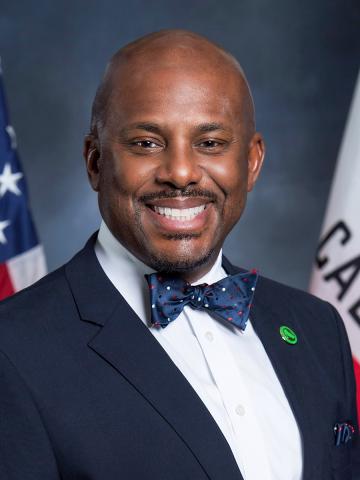
Mike Gipson
100% support rate
Top opponent
Megan Dahle
0% support rate
Ranked legislators
10
5 support · 5 oppose
Key legislators

Who's moving tax credits in California

Legislators moving tax credits in California
Legislator Party Stance Support rate Votes
Mike Gipson
Mike Gipson House · District 65
D
Strong +
100% 7
Sharon Quirk-Silva
Sharon Quirk-Silva House · District 67
D
Strong +
100% 7
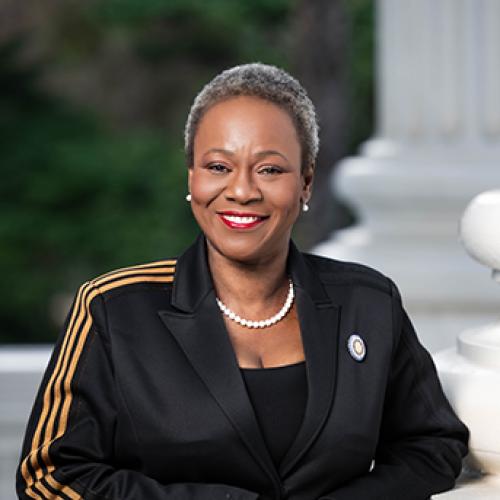
Tina McKinnor
Tina McKinnor House · District 61
D
Strong +
100% 6
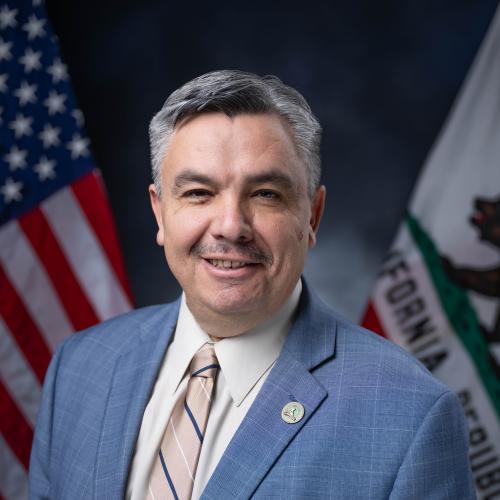
Juan Carrillo
Juan Carrillo House · District 39
D
Strong +
100% 5
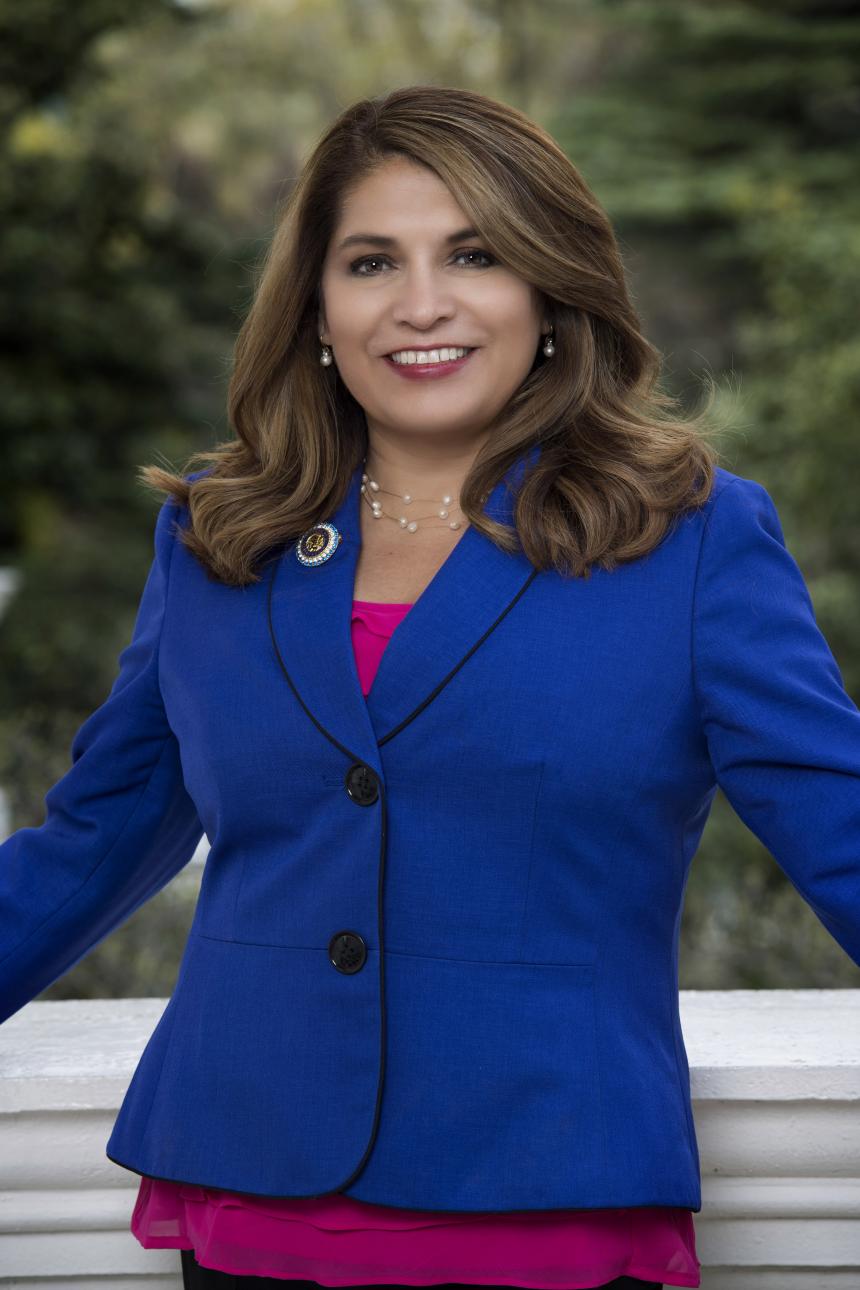
Aisha Wahab
Aisha Wahab Senate · District 10
D
Strong +
100% 4
Megan Dahle
Megan Dahle Senate · District 1
R
Strong −
0% 4
Kelly Seyarto
Kelly Seyarto Senate · District 32
R
Strong −
0% 3
Carl DeMaio
Carl DeMaio House · District 75
R
Strong −
14% 7
Kate Sanchez
Kate Sanchez House · District 71
R
Oppose
25% 4
Jerry McNerney
Jerry McNerney Senate · District 5
D
Oppose
33% 6
Showing 41–48 of 48 bills

All budget & taxes bills

failed · California · Senate Feb 2, 2026

SB 666: Personal income tax: credit: home security surveillance.

The Personal Income Tax Law allows various credits against the taxes imposed by that law. This bill would allow a credit against those taxes for each taxable year beginning on or after January 1, 2026, and before January 1, 2031, in an amount equal to the amount paid or incurred, not to exceed $250, during the taxable year for the purchase and installation of a security surveillance system at the taxpayer's principal dwelling or housing unit located in the state. Existing law requires any bill authorizing a new tax expenditure, as defined, to include tax credits, to contain, among other things, specific goals, purposes, and objectives that the tax credit will achieve, detailed performance indicators, and data collection requirements. This bill would include findings and reporting requirements in compliance with this requirement. This bill would take effect immediately as a tax levy.
failed · California · Senate Feb 2, 2026

SB 665: Personal Income Tax Law: Corporation Tax Law: credits: retail security measures.

The Personal Income Tax Law and the Corporation Tax Law allow various credits against the taxes imposed by those laws. This bill, for taxable years beginning on or after January 1, 2025, and before January 1, 2030, would allow a credit against those taxes to a qualified taxpayer, as defined, for retail theft prevention measures, as specified. The bill would limit the credit allowed to a taxpayer to no more than $10,000 per taxable year. Existing law requires any bill authorizing a new tax expenditure to contain, among other things, specific goals, purposes, and objectives that the tax expenditure will achieve, detailed performance indicators, and data collection requirements. This bill also would include additional information required for any bill authorizing a new tax expenditure. This bill would take effect immediately as a tax levy.
failed · California · Senate Feb 2, 2026

SB 269: Personal income taxes: Fire Safe Home Tax Credits Act.

The Personal Income Tax Law allows various credits against the tax imposed by that law. Existing law requires any bill authorizing a new tax credit to contain, among other things, specific goals, purposes, and objectives that the tax credit will achieve, detailed performance indicators, and data collection requirements. This bill would allow credits against the tax imposed by the Personal Income Tax Law for each taxable year beginning on or after January 1, 2026, and before January 1, 2031, to a qualified taxpayer for qualified costs relating to qualified home hardening, as defined, and for qualified costs relating to qualified vegetation management, as defined, in specified amounts, not to exceed an aggregate amount of $50,000,000 per taxable year. This bill would require a qualified taxpayer to reserve a credit for qualified costs relating to qualified home hardening or qualified vegetation management to be eligible for the above-described credits and provide all necessary information for this purpose, as specified. This bill also would include additional information required for any bill authorizing a new income tax credit and would require the Legislative Analyst's Office to prepare a written report regarding the credits, as provided. This bill would take effect immediately as a tax levy.
Sub-Topics Income Tax Tax Credits
passed · California · Senate Jun 30, 2026

SB 353: Income tax: credits: food banks.

The Personal Income Tax Law and the Corporation Tax Law allow various credits against the taxes imposed by those laws, including, for taxable years beginning on or after January 1, 2017, and before January 1, 2027, a credit for qualified taxpayers in an amount equal to 15% of the qualified value of fresh fruits or vegetables and specified raw agricultural products or processed foods donated to a food bank. This bill would extend the authorization for those tax credits for taxable years beginning before January 1, 2032. Existing law requires any bill authorizing a new tax expenditure to contain, among other things, specific goals that the tax expenditure will achieve, detailed performance indicators, and data collection requirements. For purposes of complying with these requirements, existing law requires the Franchise Tax Board to submit a report to the Legislature regarding the utilization of the credit on or before December 1 of each year until January 1, 2026. This bill would extend that reporting requirement to December 1, 2035. This bill would take effect immediately as a tax levy.
passed · California · Senate Aug 13, 2026

SB 587: Personal income taxes: credit: manufacturing: sales and use taxes.

The Personal Income Tax Law and the Corporation Tax Law allow various credits against the taxes imposed by those laws. Existing law, the Sales and Use Tax Law, imposes a tax on retailers measured by the gross receipts from the sale of tangible personal property sold at retail in this state, or on the storage, use, or other consumption in this state of tangible personal property purchased from a retailer for storage, use, or other consumption in this state. The Bradley-Burns Uniform Local Sales and Use Tax Law authorizes counties and cities to impose local sales and use taxes in conformity with the Sales and Use Tax Law, and existing laws authorize districts, as specified, to impose transactions and use taxes in accordance with the Transactions and Use Tax Law, which generally conforms to the Sales and Use Tax Law. Amendments to the Sales and Use Tax Law are automatically incorporated into the local tax laws. Existing law imposes or dedicates certain state sales and use tax rates for local funding, including through the Local Revenue Fund 2011. Existing law provides various exemptions from the taxes imposed by the Sales and Use Tax Law, including, until July 1, 2030, a partial exemption for the sale of, and the storage, use, or other consumption of, qualified tangible personal property, as defined, purchased by a qualified person, as defined, for purchases not exceeding $200,000,000, primarily used for specified purposes, including manufacturing, recycling, and research and development. Existing sales and use tax law provides that the Bradley-Burns Uniform Local Sales and Use Tax Law, the Transactions and Use Tax Law, and those laws imposing certain sales and use tax rates for local funding do not apply to the above-described exemption, thereby subjecting the sale, or the storage, use, or other consumption in this state, of tangible personal property, otherwise exempt from taxation under these provisions, to local sales and use taxes, transactions and use taxes, and state sales and use taxes imposed for local funding. This bill would, for taxable years beginning on or after January 1, 2026, and before January 1, 2031, allow a credit against the taxes imposed by the Personal Income Tax Law and the Corporation Tax Law to a taxpayer in an amount equal to the amount of sales tax reimbursement paid by the taxpayer to a retailer for the purchase of tangible personal property sold at retail in this state, or the amount of use tax paid by the taxpayer on the storage, use, or other consumption in this state of tangible personal property purchased from a retailer, that would have been exempt from taxation pursuant to the above-described exemption, but for the application of local sales and use taxes and transactions and use taxes, or the imposition of certain sales and use tax rates for local funding, as specified. The bill would authorize the California Department of Tax and Fee Administration to provide specified information to the Franchise Tax Board to assist in the administration of the credit, and would apply existing restrictions to the sharing of that information, the violation of which is a crime. By expanding the scope of a crime, this bill would impose a state-mandated local program. This bill would require, on or before May 14, 2026, and annually thereafter, the Department of Finance to provide to the legislative budget committees an estimate of the amount of revenue that would not be realized if the credits described above were allowed for that taxable year and would provide that those credits are allowed only for taxable years for which the Legislature appropriates money in the Budget Act for the administration of those credits. Existing law requires any bill authorizing a new tax expenditure to contain, among other things, specific goals that the tax expenditure will achieve, detailed performance indicators, and data collection requirements. This bill also would include additional information required for any bill authorizing a new tax expenditure. The California Constitution requires the state to reimburse local agencies and school districts for certain costs mandated by the state. Statutory provisions establish procedures for making that reimbursement. This bill would provide that no reimbursement is required by this act for a specified reason. This bill would take effect immediately as a tax levy.
failed · California · Assembly Feb 2, 2026

AB 397: Personal Income Tax Law: young child tax credit.

The Personal Income Tax Law allows various credits against the taxes imposed by that law, including a young child tax credit to a qualified taxpayer in a specified amount multiplied by the earned income tax credit adjustment factor, as provided. That law also allows a payment from the continuously appropriated Tax Relief and Refund Account for an amount in excess of tax liability. Existing law defines "qualified taxpayer" for this purpose to include an eligible individual, as defined, who has a qualifying child, defined to be a child younger than 6 years of age as of the last day of the taxable year, and who meets other specified criteria. This bill, for taxable years beginning on or after January 1, 2025, would instead define a "qualifying child" to mean a child younger than a specified age as of the last day of the taxable year, as described. By increasing the payments from the Tax Relief and Refund Account, a continuously appropriated fund, the bill would make an appropriation. Existing law requires any bill authorizing a new tax expenditure to contain, among other things, specific goals that the tax expenditure will achieve, detailed performance indicators, and data collection requirements. This bill would include additional information required for any bill authorizing a new tax expenditure.
failed · California · Assembly Feb 2, 2026

AB 398: Personal income tax: Earned Income Tax Credit.

The Personal Income Tax Law, in modified conformity with federal income tax laws, allows an earned income tax credit against personal income tax and a payment from the Tax Relief and Refund Account, a continuously appropriated fund, for an allowable credit in excess of tax liability to an eligible individual that is equal to that portion of the earned income tax credit allowed by federal law, as determined by the earned income tax credit adjustment factor, as specified. The law provides that the amount of the credit is calculated as a percentage of the eligible individual's earned income and is phased out above a specified amount as income increases, and provides alternative calculation factors under specified circumstances. Existing law, for taxable years beginning on or after January 1, 2020, and until and including the taxable year in which the minimum wage is set at $15 per hour, requires the phaseout percentage for eligible individuals to be recalculated by the Franchise Tax Board so that the calculated amount of credit for a taxpayer with an earned income of $30,000 is equal to zero. This bill, for taxable years beginning on or after January 1, 2025, if the amount of credit computed for an eligible individual is less than $355, as specified, would allow the credit for the eligible individual to be $355 instead, except as otherwise specified. By authorizing additional payments from a continuously appropriated account, this bill would make an appropriation. Existing law requires any bill authorizing a new tax expenditure to contain, among other things, specific goals that the tax expenditure will achieve, detailed performance indicators, and data collection requirements. This bill also would include additional information required for any bill authorizing a new tax expenditure.
vetoed · California · Senate Mar 2, 2026

SB 785: Personal income tax: credit: durable medical equipment.

The Personal Income Tax Law allows various credits against the tax imposed by that law. This bill, for taxable years beginning on or after January 1, 2026, and before January 1, 2031, would allow a credit against those taxes in an amount equal to 50% of unreimbursed costs paid or incurred by a taxpayer for the purchase of durable medical equipment, as defined, for use by a qualifying dependent, as defined, during the taxable year. The bill would limit the credit to $5,000 per taxable year for each qualifying dependent. Existing law requires any bill authorizing a new tax expenditure to contain, among other things, specific goals that the tax expenditure will achieve, detailed performance indicators, and data collection requirements. This bill also would include additional information required for any bill authorizing a new tax expenditure. This bill would take effect immediately as a tax levy.
Showing 41 to 48 of 48 bills
Previous 1 3 4 5