Issue · Budget & Taxes

Budget & Taxes (Business Taxes)

Every budget & taxes bill, vote, and legislator stance in California, automatically classified by Maddy, our AI policy reader.

Total bills
47
2025-2026 Regular Session
Top supporter
Mike Gipson
100% support rate
Top opponent
Carl DeMaio
0% support rate
Ranked legislators
10
5 support · 5 oppose
Key legislators

Who's moving business taxes in California

Legislators moving business taxes in California
Legislator Party Stance Support rate Votes
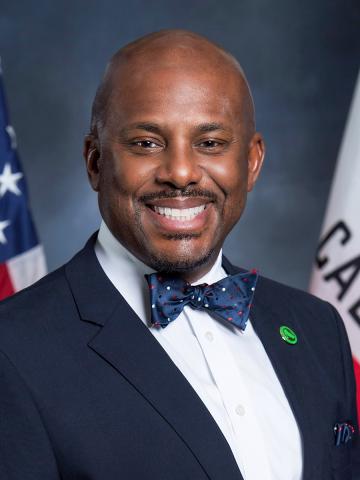
Mike Gipson
Mike Gipson House · District 65
D
Strong +
100% 12
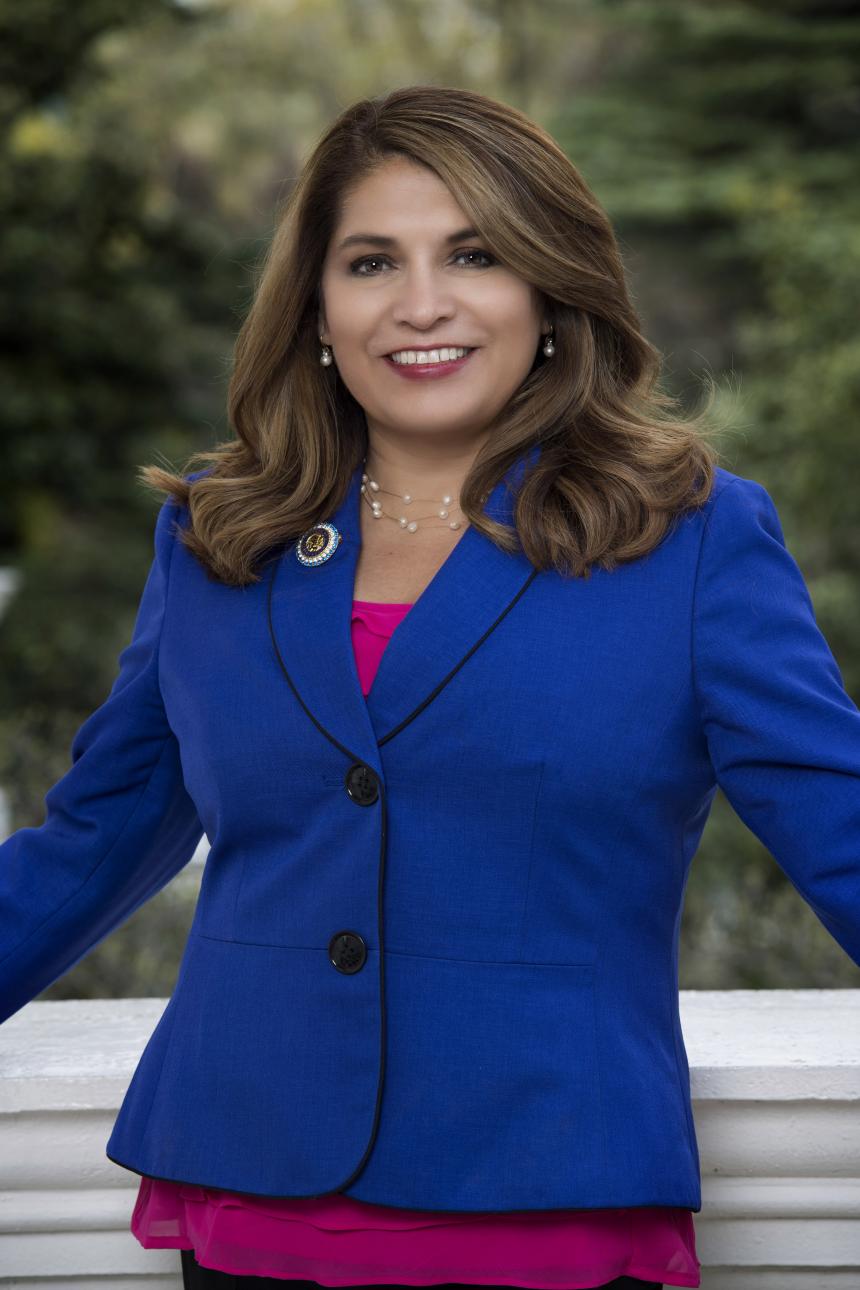
Sharon Quirk-Silva
Sharon Quirk-Silva House · District 67
D
Strong +
100% 12
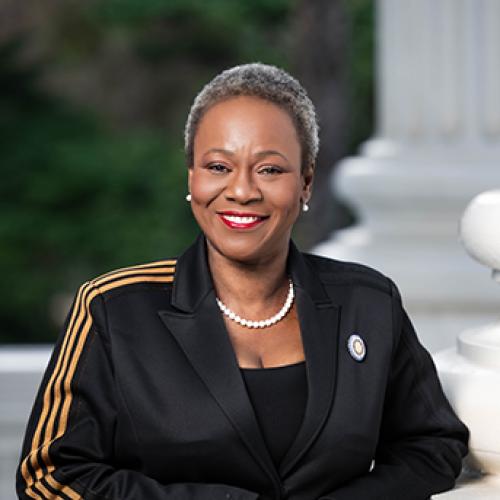
Tina McKinnor
Tina McKinnor House · District 61
D
Strong +
100% 12
Gail Pellerin
Gail Pellerin House · District 28
D
Strong +
100% 10
Jessica Caloza
Jessica Caloza House · District 52
D
Strong +
100% 10
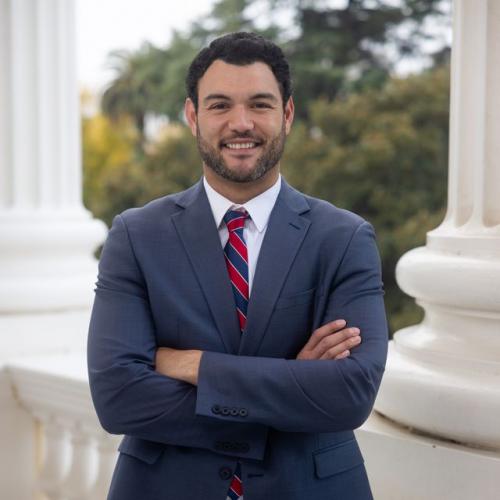
Carl DeMaio
Carl DeMaio House · District 75
R
Strong −
0% 12
David Tangipa
David Tangipa House · District 8
R
Strong −
0% 9
Joshua Hoover
Joshua Hoover House · District 7
R
Strong −
0% 8
Kelly Seyarto
Kelly Seyarto Senate · District 32
R
Strong −
0% 8
Megan Dahle
Megan Dahle Senate · District 1
R
Strong −
0% 8
Showing 11–20 of 47 bills

All budget & taxes bills

passed both · California · Senate Aug 27, 2026

SB 1406: Sales and Use Tax Law: vehicles: shell companies.

The Sales and Use Tax Law imposes a tax on retailers measured by the gross receipts from the sale of tangible personal property sold at retail in this state, or on the storage, use, or other consumption in this state of tangible personal property purchased from a retailer for storage, use, or other consumption in this state, measured by sales price. Under the Sales and Use Tax Law, there is a presumption that a vehicle, vessel, or aircraft shipped or brought into this state within 12 months from the date of its purchase was acquired for storage, use, or other consumption in this state and is subject to the use tax if any of specified conditions are satisfied, including where the vehicle is purchased by a resident of this state, as defined. Existing law provides that, for purposes of this presumption, a closely held company or limited liability company is considered a resident of this state if 50% or more of the shares or membership interests are held by shareholders or members who are residents of this state. This bill would additionally provide that a partnership, limited partnership, or limited liability partnership is a resident of this state if 50% of the partnership, limited partnership, or limited liability partnership interests are held by partners that are residents of this state. The bill would also provide that, for purposes of the above-described presumption, a shell company, as defined, is a resident of this state if any shareholder, partner, member, or beneficial owner is a resident of this state. The bill would hold any officer, manager, partner, beneficial owner, or member of a shell company personally liable for any unpaid taxes, and any interest and penalties on those taxes, the nonpayment of which may constitute a crime, due on the purchase of a vehicle, vessel, or aircraft. By expanding the scope of crimes related to the violation of the Sales and Use Tax Law, this bill would impose a state-mandated local program. The bill would also make nonsubstantive and conforming changes to these provisions. This bill would include a change in state statute that would result in a taxpayer paying a higher tax within the meaning of Section 3 of Article XIIIA of the California Constitution, and thus would require for passage the approval of 23 of the membership of each house of the Legislature. The California Constitution requires the state to reimburse local agencies and school districts for certain costs mandated by the state. Statutory provisions establish procedures for making that reimbursement. This bill would provide that no reimbursement is required by this act for a specified reason. This bill would take effect immediately as a tax levy.
passed both · California · Senate Aug 28, 2026

SB 1073: Income taxes: voluntary contributions: Black Cultural District Voluntary Tax Contribution Fund.

Existing law allows an individual taxpayer to contribute amounts in excess of their personal income tax liability for the support of specified funds and accounts, including, among others, to the Native California Wildlife Rehabilitation Voluntary Tax Contribution Fund. This bill would allow, for taxable years beginning on or after January 1, 2026, and before January 1, 2033, an individual to designate on their tax return that a specified amount in excess of their tax liability be transferred to the continuously appropriated Black Cultural District Voluntary Tax Contribution Fund (fund) , which would be created by this bill. The bill would allocate moneys in the fund to, among other entities, the Arts Council for allocation for the construction and maintenance of the Black Cultural District designated in south City of Los Angeles. The bill would require the Franchise Tax Board to revise the tax return form to include a space for the designation of contributions to the fund. By establishing a new continuously appropriated fund, the bill would make an appropriation. This bill would provide that these provisions would remain in effect only until January 1, 2034, but would further provide for an earlier repeal if the Franchise Tax Board determines that the amount of contributions estimated to be received by September 1, 2028, and later calendar years will not at least equal the minimum contribution amount, in which case these provisions would be repealed on January 1 of the following year.
in committee · California · Assembly Apr 27, 2026

AB 2377: Personal Income Tax Law and Corporation Tax Law: deductions: accelerated depreciation for new manufacturing operations.

The Personal Income Tax Law and the Corporation Tax Law, in conformity or modified conformity with federal income tax laws, allows various deductions in computing the income that is subject to the taxes imposed by those laws, including a deduction for depreciation of certain property put into the service of a trade or business. This bill, for taxable years beginning on or after January 1, 2027, and before January 1, 2032, would provide for an accelerated depreciation deduction of 50% or 100%, as applicable, of the adjusted basis, as specified, of qualified property, as defined, put into service by a qualified taxpayer, as defined, during the taxable year. The bill would require a qualified taxpayer to place qualified property with an adjusted basis of at least $1,000,000 into service in the state during the taxable year in order to be eligible for the accelerated depreciation deduction. The bill would require the qualified taxpayer to certify under penalty of perjury that qualified property put into service during the taxable year will be primarily used in the state for at least 3 years. By expanding the crime of perjury, this bill would impose a state-mandated local program. Existing law requires any bill authorizing a new tax expenditure to contain, among other things, specific goals that the tax expenditure will achieve, detailed performance indicators, and data collection requirements. This bill would also include additional information required for any bill authorizing a new tax expenditure. The California Constitution requires the state to reimburse local agencies and school districts for certain costs mandated by the state. Statutory provisions establish procedures for making that reimbursement. This bill would provide that no reimbursement is required by this act for a specified reason. This bill would take effect immediately as a tax levy.
in committee · California · Senate May 14, 2026

SB 1113: Corporate tax: exclusions: qualifying shipping activities.

The Corporation Tax Law, in conformity with federal income tax law, generally defines "gross income" as income from whatever source derived, except as specifically excluded, and provides various exclusions from gross income. Existing federal income tax law authorizes a qualifying vessel operator, as defined, to elect to determine its corporate tax burden for specified international shipping activities using a per-ton rate and provides an exclusion from gross income for qualifying shipping activities of an electing corporation or a member of an electing group, as specified. This bill, for taxable years beginning on or after January 1, 2026, would provide an exclusion from gross income for qualifying shipping activities of an electing corporation or a member of an electing group for which an election is in effect under the above-described federal law, as specified. The bill would also provide special rules relating to depreciation and basis of a qualifying vessel, as defined, and would, in conformity with federal income tax laws, provide for the nonrecognition of gain from the disposition of a qualifying vessel where the electing corporation acquires a replacement qualifying vessel, as provided. This bill would take effect immediately as a tax levy.
passed · California · Assembly Aug 13, 2026

AB 2650: CalSavers: retirement savings.

Existing law, the CalSavers Retirement Savings Trust Act, administered by the CalSavers Retirement Savings Board (board) , establishes the CalSavers Retirement Savings Program (program) and the CalSavers Retirement Savings Trust (trust) . Under existing law, the trust consists of a program fund and an administrative fund with trust moneys that are continuously appropriated and administered by the CalSavers Retirement Savings Board for the purpose of promoting greater retirement savings for California private employees. Existing law requires eligible employers to offer a payroll deposit retirement savings arrangement so that eligible employees may contribute a portion of their salary or wages to a retirement savings program account in the program, as specified. Existing law defines "eligible employer" as a person or entity engaged in a business, industry, profession, trade, or other enterprise in the state, whether for profit or not for profit, excluding, among others, specified federal, state, and local governmental entities, with at least one eligible employee and that satisfies certain requirements to establish or participate in a payroll deposit retirement savings arrangement. This bill would enact the Savings Access and Vested Empowerment (SAVE) for All Workers Act, which would recast those provisions to expand that definition of "eligible employer" to include household employers, defined as those who have hired someone to work in or around their home for the benefit of their personal household and who provide the employee a W-2 federal tax form. By expanding eligibility under these provisions, the bill would remove a restriction limiting expenditure of funds and authorize the expenditure of continuously appropriated moneys for a new purpose, thereby making an appropriation. Existing law requires the board, subject to its authority and fiduciary duty, to design and implement the program. Existing law authorizes the board to provide for investment in myRAs. Existing law requires the program to include, as determined by the board, one or more payroll deduction IRA arrangements. Existing law provides the board with the power and authority to, among other things, make and enter into contracts necessary for the administration of the trust and to disseminate information concerning tax credits available to small business owners for allowing their employees to participate in the program and the federal Retirement Savings Contribution Credit (Saver's Credit) . This bill would eliminate the authority of the board to invest in myRAs and would make related conforming changes. The bill would require the program, with board approval, to establish an IRA on behalf of participants who are eligible to receive federal or state retirement benefits, as specified, and notify participants at least 30 days prior to the creation of the accounts. This bill would additionally authorize the board to assess the feasibility of multi-state or regional agreements to administer the program and to disseminate information concerning tax credits available to small business owners for allowing their employees to participate in the successor to the Saver's Credit, known as the Saver's Match. Existing law requires the board, prior to opening the program for enrollment, to establish a retirement investments clearinghouse on its internet website and a vendor registration process, if there is sufficient interest by vendors to participate and provide the necessary funding. Existing law requires vendors that would like to participate in the board's retirement investments clearinghouse and be listed on the board's internet website as a registered vendor to provide specified information to the board. This bill would eliminate the above-described requirement for the board to establish a retirement investments clearinghouse on its internet website and a vendor registration process, and would instead require vendors that would like to contract with the board to provide specified information to the board. The bill would make related conforming changes. Existing law authorizes an employer to choose to have a payroll deposit retirement savings arrangement to allow employee participation in the program under the terms and conditions prescribed by the board. Existing law requires, by December 31, 2025, eligible employers with one or more eligible employees and do not offer a retirement savings program, as provided, to have a payroll deposit retirement savings arrangement to allow employee participation in the program. Existing law authorizes the board to implement annual automatic escalation of employee contributions and prohibits contributions subject to automatic escalation from exceeding 8% of salary. Existing law provides the board the powers and duties necessary to administer the enforcement of employer compliance, as provided. This bill would, beginning December 31, 2027 and by December 31 of each calendar year, require eligible employers with one or more eligible employees, as described, who do not offer a retirement savings program, as specified, to have a payroll deposit retirement savings arrangement to allow employee participation in the program. The bill would instead prohibit contributions subject to automatic escalation from exceeding 10% of salary. The bill would require the board to notify participants of this increase in salary subject to automatic escalation. Existing law requires the board to issue to each employer who fails to allow its eligible employees to participate in the program, as provided, a notice of penalty application. Existing law requires each eligible employer that, without good cause, fails to allow its employees to participate in the program, as specified, after the board serves a final notice of penalty application, to be subject to a penalty of $250 per eligible employee and an additional penalty of $500 per eligible employee if noncompliance continues, as described. Existing law requires the Franchise Tax Board to issue a first notice of the imposition of a penalty to an eligible employer for failure to comply after the board informs the Franchise Tax Board of the eligible employer's noncompliance. Existing law requires amounts collected by the Franchise Tax Board for these purposes to be transmitted to the board for deposit in the trust. This bill would additionally subject each eligible employer that fails to allow its eligible employees to participate in the program after the above-described penalties have been assessed to a penalty of $500 per eligible employee. The bill would prohibit the penalties assessed from being imposed more than once every 180 days since the last violation. The bill would require the Franchise Tax Board to issue subsequent notices of imposition of penalties for noncompliance, as specified. By depositing additional penalties into the trust, a continuously appropriated fund, the bill would make an appropriation.
died · California · Senate Jul 1, 2026

SJR 15: The federal Unemployment Trust Fund: debt.

This measure would urge the United States Congress to enact federal legislation that would ensure that federal unemployment taxes on businesses are not increased due to any debt to the federal Unemployment Trust Fund that was a direct result of a state's decisions resulting in increased filings, including shutdowns, extensions of shutdowns, or lapses in fraud prevention programs.
in committee · California · Senate May 14, 2026

SB 1102: Personal Income Tax Law: credit: nurses.

The Personal Income Tax Law allows various credits against the taxes imposed by that law. This bill would allow a credit against those taxes to a licensed nurse employed at a rural health facility, as specified, for each taxable year beginning on or after January 1, 2027, and before January 1, 2032, in an amount equal to $2,000 per taxpayer per taxable year. The bill would require the Department of Health Care Access and Information to provide an annual list to the Franchise Tax Board of rural health facilities, as specified. Existing law requires any bill authorizing a new tax expenditure, as defined, to include tax credits, to contain, among other things, specific goals, purposes, and objectives that the tax credit will achieve, detailed performance indicators, and data collection requirements. This bill would include findings and reporting requirements in compliance with this requirement. This bill would take effect immediately as a tax levy.
in committee · California · Assembly May 14, 2026

AB 2205: Personal Income Tax Law: Corporation Tax Law: New Employment Credit.

The Personal Income Tax Law and the Corporation Tax Law allow various credits against the taxes imposed by those laws, including, for taxable years beginning on or after January 1, 2014, and before January 1, 2026, a credit for hiring qualified full-time employees, as defined, within a designated census tract or economic development area in an amount equal to 35% of the qualified wages, defined in part as those wages that exceed 150% of minimum wage but do not exceed 350% of minimum wage, paid to those employees multiplied by the applicable percentage for that taxable year. Existing law exempts certain taxpayers from the above-described census tract or economic development area requirement, as specified, and disallows the above-described credit for specified businesses. Existing law repeals the above-described provisions on December 1, 2029. This bill would extend the operative date for the above-described tax credits through taxable years beginning before January 1, 2031. The bill would extend the above-described repeal date to December 1, 2034. Existing law requires any bill authorizing a new tax expenditure to contain, among other things, specific goals that the tax expenditure will achieve, detailed performance indicators, and data collection requirements. This bill also would include additional information required for any bill authorizing a new tax expenditure. This bill would take effect immediately as a tax levy.
in committee · California · Assembly Apr 27, 2026

AB 2533: Personal income taxes: unemployment insurance: fitness benefit.

The Personal Income Tax Law, in modified conformity with federal income tax law, allows various deductions from gross income in calculating adjusted gross income. This bill, for taxable years beginning on or after January 1, 2026, would allow a deduction from gross income for any qualified fitness benefit provided by an employer to an employee, as specified. The bill would define "qualified fitness benefit" as a uniform stipend amount to all full-time employees for fees or dues for membership in a fitness center, health club, or gym, except as specified. Existing law requires specified employers to contribute to the Unemployment Fund based on wages paid for employment. Existing law defines "wages" for this purpose, as provided, and excludes from that definition, among other things, remuneration in excess of $7,000 paid to an individual by an employer during any calendar year, with respect to employment. This bill would additionally exclude from that definition of wages any qualified fitness benefit provided by an employer to an employee, up to $600 per year, as specified. Existing law requires a bill authorizing a new tax expenditure to contain, among other things, specific goals the tax expenditure will achieve, detailed performance indicators, and data collection requirements. This bill would include additional information required for any bill authorizing a new tax expenditure. This bill would take effect immediately as a tax levy.
in committee · California · Assembly Apr 27, 2026

AB 1698: Personal Income Tax Law: Corporation Tax Law: credits: food handler card.

The Personal Income Tax Law and Corporation Tax Law allow various credits against the taxes imposed by those laws. This bill, for taxable years beginning on or after January 1, 2026, and before January 1, 2029, would allow a credit for expenses paid or incurred by a qualified taxpayer for an employee obtaining a food handler card, as specified. Existing law requires any bill authorizing a new tax expenditure to contain, among other things, specific goals, purposes, and objectives that the tax expenditure will achieve, detailed performance indicators, and data collection requirements. This bill also would include additional information required for any bill authorizing a new tax expenditure. This bill would take effect immediately as a tax levy.
Showing 11 to 20 of 47 bills
Previous 1 2 3 5 Next