

Maddy summarySB 1815 establishes Arizona's first comprehensive data privacy law for businesses handling consumer personal data. It directly affects businesses operating in Arizona that process personal data of state residents, requiring them to obtain clear, affirmative consumer consent for data processing and prohibiting deceptive "dark patterns" that trick users into sharing data. Key provisions define sensitive data types (like biometrics and precise location), set strict standards for valid consent, and ban practices that subvert user choice. The law also restricts the "sale" of personal data and includes specific exemptions for health records and publicly available information.
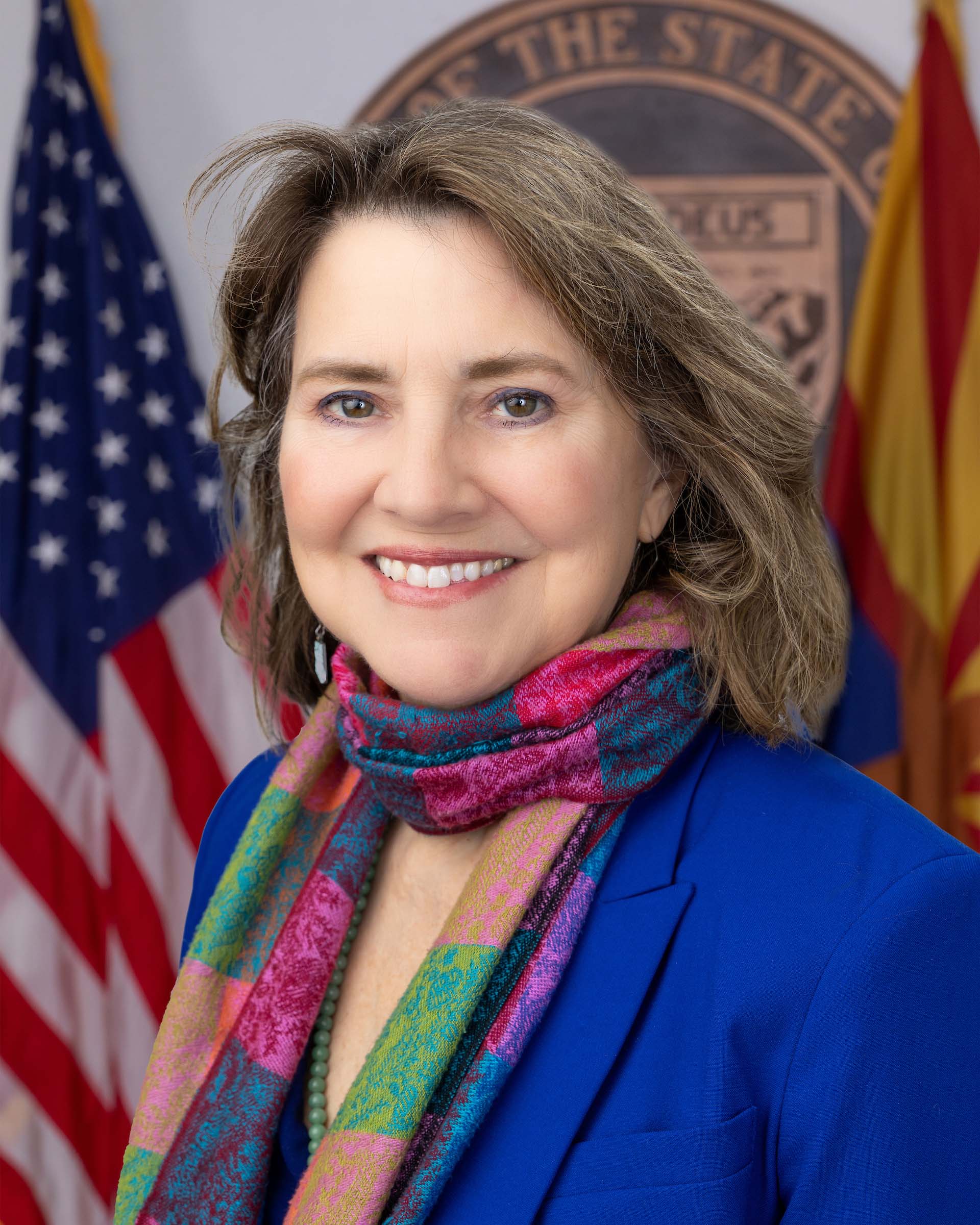
Sen. Lauren Kuby
Sponsored bills
Maddy summaryArizona's SB 1788 requires insurers to disclose key details about homeowners' and renters' insurance policies, including coverage exclusions (like flood or mold), factors used to set premiums (such as property location or aerial imagery), and available discounts for safety improvements. The bill prohibits insurers from using a dog's breed as a sole factor in coverage decisions or pricing, and limits the use of aerial/satellite imagery to 180 days for underwriting. During declared state emergencies (e.g., wildfires), insurers cannot cancel policies for nonpayment within 60 days or refuse renewals for 12 months in affected areas. Additionally, insurers must provide 60 days' written notice with explanations for premium increases over 10% or significant coverage reductions.
Maddy summarySB 1685 establishes the Arizona Commission on Latino Affairs, a body tasked with advising state leadership and supporting Latino communities. The commission includes nine voting members (seven Latino, two non-Latino, appointed by the governor) and eight advisory members with expertise in education, health, civil rights, social services, and small business. Its key duties include advising the governor on policies affecting Latinos, developing recommendations for health, education, and economic programs, and producing an annual report to the legislature. The bill also creates a dedicated fund for the commission’s operations and mandates an annual "Latino Legislative Day" to honor community contributions and discuss issues.
Maddy summarySB 1608 sets specific indoor temperature requirements for rental properties in Arizona, mandating that landlords maintain rooms at no more than 82°F in warm weather and no lower than 68°F during extreme cold, measured mid-room at 3 feet above ground. It shortens tenant notice periods for heating/cooling failures affecting health to 2 days (from 10 days) and prohibits evictions during weeks with two or more days exceeding 90°F outdoor temperatures. The bill directly affects landlords (requiring compliance with temperature standards and maintenance) and tenants (providing stronger remedies for unsafe conditions and eviction protection). Key provisions include precise temperature measurements, accelerated tenant remedies for critical failures, and a heat-related eviction ban.
Maddy summarySB 1694 requires Arizona charter schools receiving state funding to develop emergency response plans and conduct school safety assessments every five years using approved providers. It updates transparency rules to mandate posting meeting notices and public records online for all charter schools. The bill also prohibits for-profit organizations from establishing new charter schools after January 1, 2027. These provisions directly affect all Arizona charter schools operating under state funding programs.
Maddy summarySB 1735 appropriates $12.175 million from Arizona's state general fund for fiscal year 2026-2027 to improve Navajo Route 8090. The funds will support specific roadway upgrades including raising the road, drainage enhancements, graveling, and chip sealing, directly benefiting the Navajo Nation's transportation infrastructure. The appropriation is exempt from standard spending rules that would cause unused funds to lapse at year-end, ensuring the money remains available for the project.
Maddy summaryArizona's SB 1736 appropriates $10 million annually from the state general fund for fiscal years 2026-27 and 2027-28 to the Navajo Nation's Department of Water Resources. The funds are specifically for surveying, designing, planning, and constructing the Navajo water pipeline project in the Fort Defiance region. This bill directly provides funding for the Navajo Nation's water infrastructure work, exempting the appropriations from standard state budget lapsing rules.
Maddy summarySB 1698 expands Arizona's Empowerment Scholarship Account (ESA) program to cover specific educational services for students with disabilities. It allows ESA funds to pay for educational therapies, psychological evaluations, assistive technology, and vocational training when a student meets disability criteria under the law. The bill also requires annual education plans for students aged 21-22 to continue receiving funds, with reviews conducted by independent evaluation teams. This directly affects students with disabilities enrolled in the ESA program who qualify under the specified criteria. The policy change modifies allowable expenses under the existing ESA framework to include these disability-related services and extends eligibility through age 22.
Maddy summarySB 1738 provides $20 million in state funding for Coconino County to build a new juvenile court services facility and convert its existing juvenile detention center into a detox, sobriety, and crisis recovery center. The funds come from the state general fund for fiscal year 2026-2027 and are exempt from standard appropriation lapse rules. This bill directly affects Coconino County's juvenile services system by enabling facility upgrades focused on both court support and crisis care. It is a straightforward funding measure with no additional policy changes beyond the specified facility uses.
Maddy summarySB 1721 requires state construction contracts to pay prevailing wages and fringe benefits based on local collective agreements, directly affecting contractors and subcontractors working on state-financed projects. It mandates that contractors post wage rates at job sites, maintain payroll records, and prohibits retaliation against workers reporting violations. The Arizona Department of Administration determines prevailing rates, and violations carry a $5,000 civil penalty or liability for lost wages. The bill ensures workers on state projects receive locally negotiated compensation standards while providing enforcement mechanisms for compliance.