

Maddy summarySB 1046 requires Arizona county jails to screen all new inmates for mental illness within 24 hours and ensure continuity of prescribed medications and treatments for those with prior diagnoses. It mandates immediate mental health evaluations for inmates showing symptoms, with potential transfer to specialized facilities if deemed necessary for treatment. For state prison inmates, the bill requires a psychiatrist to assess severe mental symptoms within 72 hours and initiate voluntary or court-ordered transfer processes to state hospitals or licensed facilities, including court hearings with legal representation. The law directly affects county jail and state prison inmates with mental health needs, focusing on screening, treatment continuity, and structured transfer procedures to ensure appropriate care.
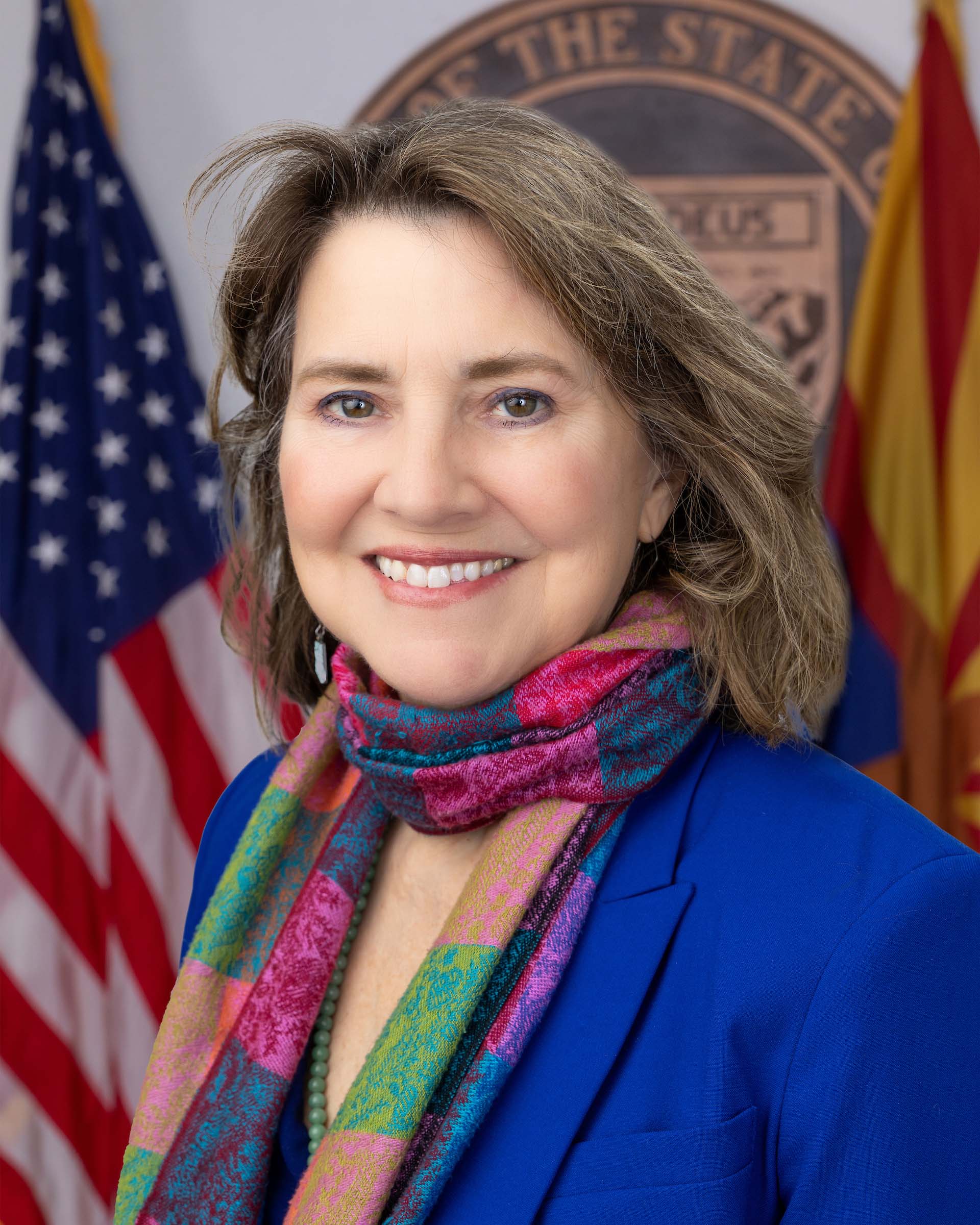
Sen. Lauren Kuby
Sponsored bills
Maddy summarySB 1045 appropriates $25 million from the state general fund for constructing five secure behavioral health residential facilities in Arizona. These facilities will serve court-ordered patients with serious mental illness who are chronically resistant to treatment, with three facilities in the central area and one each in northern and southern regions. The bill also allocates $10 million from state funds plus $18.77 million from Medicaid for ongoing provider rate increases. The Arizona health care cost containment system administration must issue requests for proposals by December 2025 or report delays to legislative leaders.
Maddy summarySB 1043 creates a state fund to finance homeless shelter and services by appropriating money for grants. It requires cities and towns with more than 75 homeless individuals (based on the 2024 point-in-time count) to provide at least one shelter bed per four homeless people and establish a judicial diversion program for homelessness or mental illness. The fund will award grants to counties, cities, tribes, and nonprofits to increase shelter beds, improve services like behavioral health treatment and substance use programs, and support heat respite efforts. Grantees must provide matching funds, avoid policies that hinder public camping enforcement, and report detailed data on service outcomes and participant demographics.