

Maddy summaryThis bill sets a target for Arizona's SNAP program to reduce its payment error rate to no more than 3% by December 2030, as reported by the USDA. The Arizona Department of Economic Security must submit annual progress reports to the legislature starting in 2027-2028, detailing strategies and barriers to meeting the target. If targets are missed, the department must submit a corrective plan, pay 50% of any federal penalties, and face potential funding reductions under the Auditor General's oversight. By December 2031, the Auditor General must complete a forensic audit identifying causes of errors and recommending solutions, which the department must implement within a year. The bill directly affects Arizona's SNAP administration and federal funding relationships.
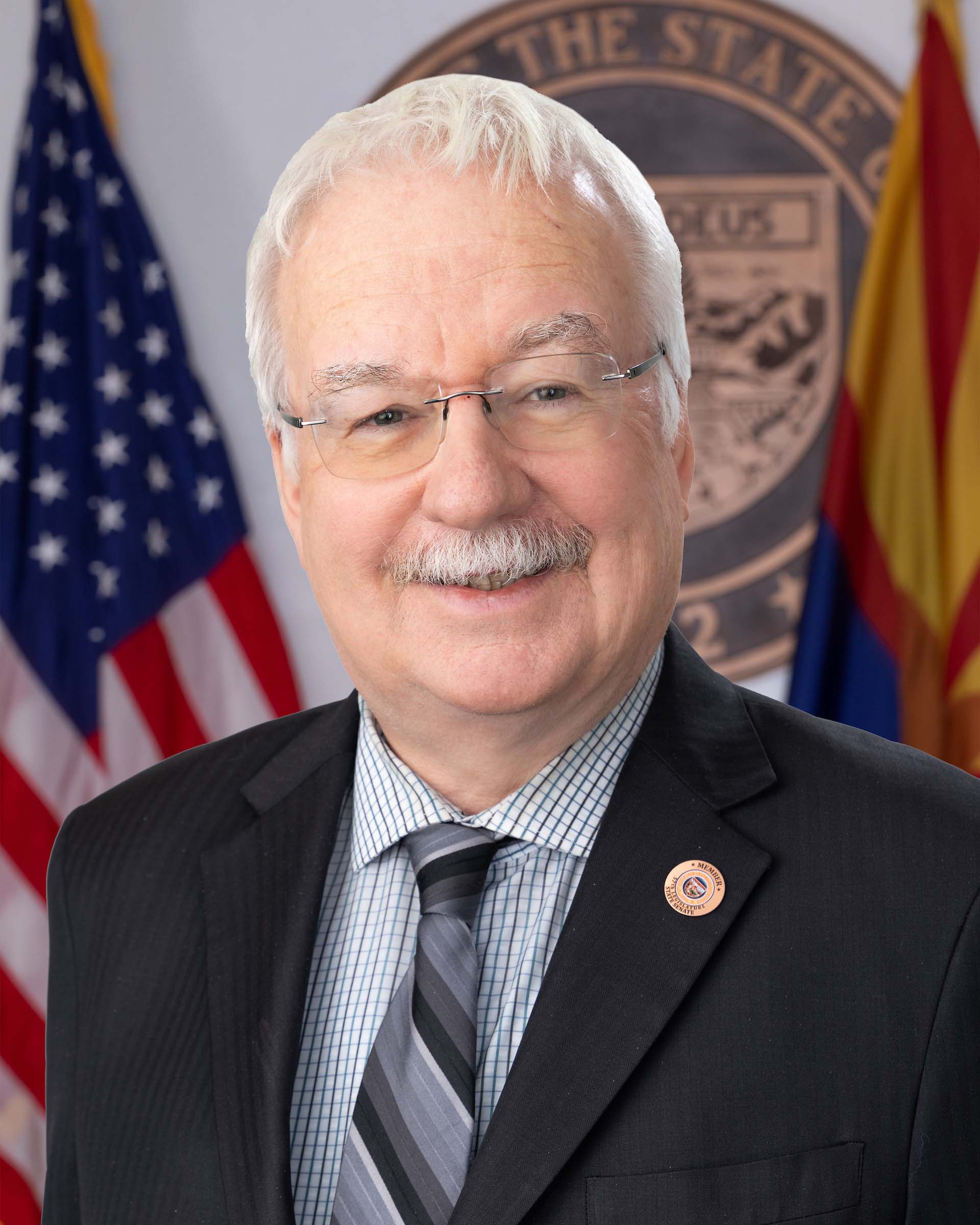
Sen. John Kavanagh
Sponsored bills
Maddy summarySB 1236 updates Arizona's AHCCCS (Medicaid) eligibility verification rules. It requires monthly checks of lottery/gambling winnings ($3,000+), death records, and residency via out-of-state card transactions, and quarterly reviews of tax records, employment, and income changes. The bill bans self-attestation for income/residency without verification and restricts temporary emergency coverage (presumptive eligibility) to only children and pregnant women - ending broader hospital-based temporary coverage. These changes directly affect AHCCCS members and hospitals providing emergency care, ensuring eligibility is verified through state data systems rather than applicant claims.
Maddy summaryArizona's SCR 1011 is a state resolution applying under Article V of the U.S. Constitution to request Congress call a convention for proposing a constitutional amendment limiting congressional terms. It joins 22 other states that previously sought term limits but were overruled by the Supreme Court. The resolution formally asks Congress to draft such an amendment or allow states to convene a convention themselves, aggregating Arizona's application with similar efforts from other states to reach the required two-thirds threshold. This is procedural - it does not impose term limits but seeks to initiate the constitutional process for doing so.
Maddy summarySB 1675 prohibits selling, advertising, or displaying animals on public highways, streets, parks, or private commercial property without the owner's permission. It directly affects individuals or vendors who attempt such sales in these locations, with exceptions for pet stores, animal shelters, rescues, and events like county fairs. Violations carry a $50 civil penalty for first offenses, escalating to a class 1 misdemeanor for repeat violations. The law defines "animal" broadly to include mammals, birds, amphibians, and reptiles. It amends Arizona law to clarify restrictions on public animal sales while allowing established animal welfare and agricultural activities to continue.
Maddy summarySB 1729 prohibits homeowners' associations in Arizona from banning or limiting pets based on breed, size, or weight in community rules. It directly affects residents of planned communities and the associations that govern them. The bill makes any such restrictions unenforceable, even if adopted before this law took effect. Associations may still set reasonable rules about pet behavior as long as they follow existing federal, state, and local laws. This bill focuses on removing breed-specific restrictions from community documents.
Maddy summarySB 1674 amends Arizona law to clarify definitions related to homeowners' associations (HOAs) and condominium governance. It revises key terms like "common elements," "assessment," "board of directors," and "rules" in the Arizona Revised Statutes, ensuring consistent interpretation of HOA operations. This bill directly affects HOAs, unit owners, and property developers by standardizing terminology in governing documents. It does not create new rules or enforcement mechanisms but provides clearer language for existing HOA procedures. The bill is currently in early legislative stages (Senate First Reading).
Maddy summaryArizona's SCR 1038 (a referendum bill pending voter approval) requires public entities (like government buildings) to provide reasonable restroom accommodations to individuals who cannot use gender-designated restrooms. It mandates that accommodations include single-occupancy or employee restrooms upon written request with verified biological sex documentation (e.g., birth certificate), but explicitly prohibits access to opposite-sex restrooms when others are present. The bill creates legal causes of action for denials or violations, allowing individuals to sue for damages and attorney fees in court, while excluding claims if the opposite-sex individual is a child with an adult or follows established safety policies. This bill directly affects public building users and operators, focusing on restroom access based on biological sex as defined by the statute.
Maddy summarySB 1558 requires mobile home park landlords to provide clear, itemized utility bills showing separate meter readings, standard residential rates (not higher), and a maximum $8 administrative fee. Landlords cannot charge more than what they pay utility providers for gas, water, or electricity, and must disclose billing details in rental agreements. Tenants can file complaints after 30 days if landlords violate these rules, with courts able to award fees and up to $500 penalties for violations. The bill aims to prevent overcharging and improve transparency in mobile home park utility billing.
Maddy summarySB 1470 requires Arizona counties to notify voters within 24 hours via text or email (if they've subscribed) when changes are made to their registered address, party preference, or early voting list status. For voters who haven't opted into electronic alerts, counties must send written notice within 10 days of any change. The bill also mandates that all registration change notifications include instructions for voters to verify their information or report unauthorized changes. It directly affects all registered Arizona voters by changing how they receive updates about their registration details. The law modifies existing voter registration procedures to modernize notification methods while maintaining written notice options.
Maddy summarySB 1462 requires animal control officers in Arizona cities and towns who can take legal action for animal control violations (like rabies or dog regulation breaches) to complete specific training. New officers hired or appointed on or after January 1, 2027, must finish training within one year; existing officers have 18 months from the law's effective date. The training covers four key areas: basic criminal law, arrest procedures, search and seizure laws, and animal cruelty investigations. It must be delivered by certified peace officer trainers for the first three topics and by a statewide animal humane organization for the fourth topic, mirroring existing state-approved courses.