

Maddy summaryThis bill establishes a statewide rule prohibiting government employers in Arizona from monitoring an employee's personal online activity or speech unless there is a suspicion of illegal activity. It directly affects public employees by preventing local cities, towns, and counties from creating their own rules on this matter, as the state asserts exclusive authority over the issue. The legislation clarifies that while employers can investigate suspected illegal conduct, they cannot generally track or regulate how employees use the internet for personal purposes.
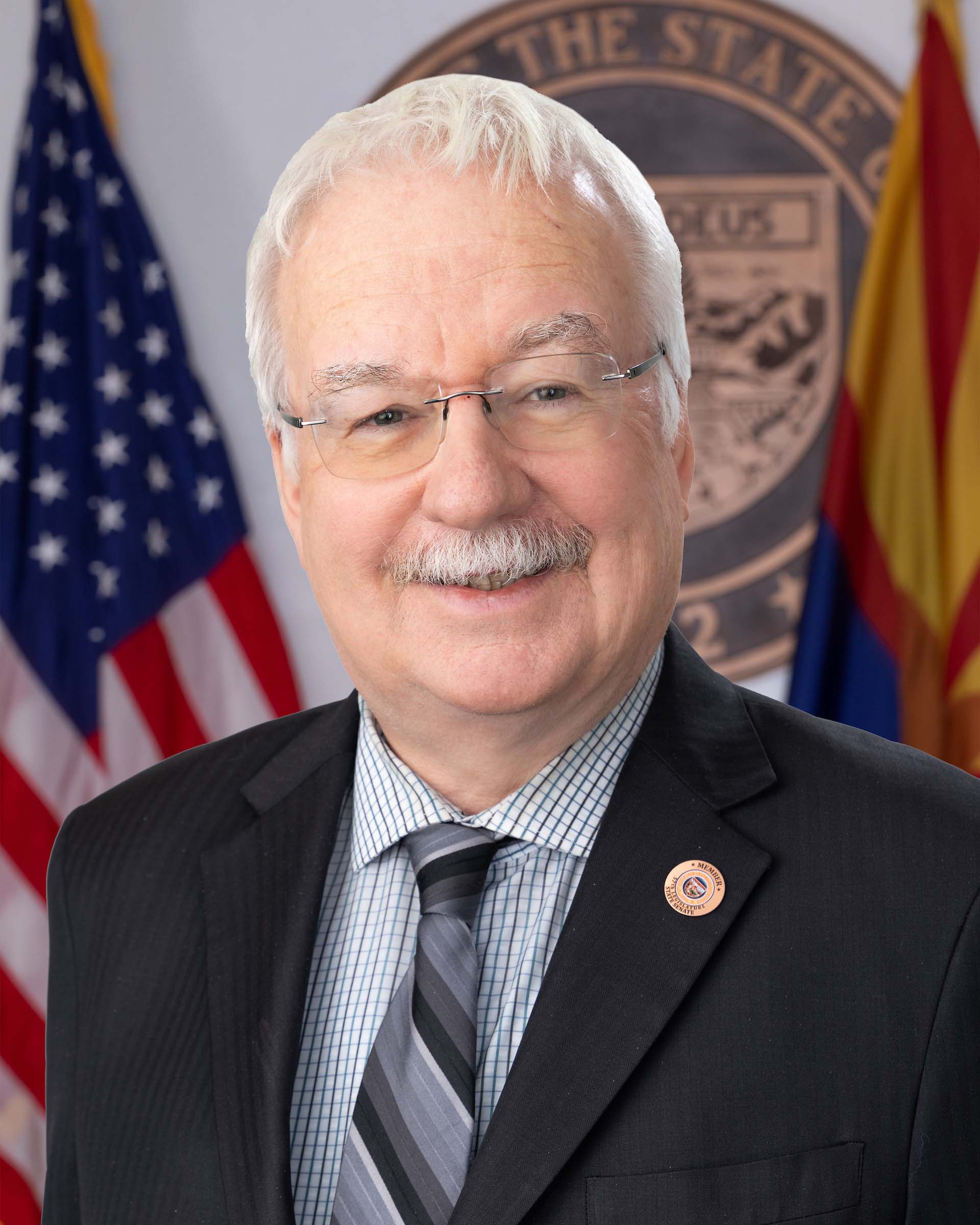
Sen. John Kavanagh
Sponsored bills
Maddy summaryThis bill establishes a new fund and program to provide specialized support services for young adults in Arizona's extended foster care system. It mandates the creation of "success coaches" who will offer weekly engagement, life skills training, and assistance with housing, education, and employment to help these individuals transition to independence. The legislation sets specific requirements for these coaches, including age limits, relevant degrees or experience, and training, while also requiring the state to develop a comprehensive service model and submit regular reports on program effectiveness.
Maddy summarySB 1736 amends Arizona state statutes to clarify how funds for the Arizona Exposition and State Fair are managed and invested, while also adjusting how money from the state lottery is distributed. The bill establishes a permanent revolving fund for the fair board to handle immediate cash needs for events, with spending limits that increase during the annual state fair. It also modifies the state lottery fund to ensure debt payments are made first and sets specific annual allocations for various programs, including child safety, health education, and homeless shelters. These changes aim to provide clearer financial rules for state agencies without altering the core purpose of the programs they support.
Maddy summarySB 1739 updates how unclaimed Arizona lottery prize money is distributed and establishes a new revolving fund for anti-racketeering cases. The bill extends the time for claiming lottery prizes to 180 days and directs unclaimed funds to support future prizes, the internet crimes against children enforcement fund, victims' rights enforcement, and a court-appointed special advocate program for vulnerable persons. Additionally, the legislation clarifies the sources and management of the juvenile probation fund and creates a dedicated fund to hold recovered assets from racketeering prosecutions and forfeitures. These changes affect state lottery operations, court programs, juvenile justice services, and law enforcement agencies by specifying how money is collected, held, and spent.
Maddy summaryThis bill allows smaller Arizona counties with populations under 250,000 to use specific revenue sources, such as those from special taxing districts, to pay for any county expense. The law permits these counties to use up to $1.25 million from these funds for purposes other than what the revenue was originally intended for. Counties must submit a report to the state budget committee by October 1, 2024, detailing if they used these funds differently and listing the specific amounts and sources involved. The measure applies only to the 2024-2025 fiscal year and does not affect larger counties or future years.
Maddy summaryThis bill establishes specific rental rates for state-owned buildings in Arizona for the 2024-2025 fiscal year. It sets the price at $17.87 per square foot for office space and $6.43 per square foot for storage space within these facilities. The legislation directly affects entities leasing space from the state by defining the amount they must pay for the upcoming year.
Maddy summaryThis bill directs Arizona to place all unrestricted federal funds received between July 1, 2024, and June 30, 2025, into the state general fund specifically for paying essential government services. It also temporarily suspends standard budget rules for the fiscal years 2024-2025 through 2026-2027, exempting the legislature from the requirement to move money to or from the budget stabilization fund. Additionally, for the 2024-2025 fiscal year, the bill removes the usual ten percent revenue limit on the stabilization fund and prevents the state treasurer from transferring any surplus from that fund to the general fund. These changes apply retroactively to actions taken after June 30, 2024.
Maddy summaryThis Arizona bill updates state laws to include specific new synthetic drugs and chemical structures in the legal definition of "dangerous drugs." It directly affects law enforcement, prosecutors, and the public by expanding the list of controlled substances to cover various hallucinogens and synthetic cannabinoids. The key mechanism involves amending existing statutes to explicitly name dozens of new chemical compounds and create broader categories that automatically include future similar substances. By clarifying these definitions, the legislation ensures that these specific drugs are treated as dangerous drugs under Arizona law.
Maddy summaryThis bill amends Arizona law to classify the use of computer-generated voice recordings, images, or videos of another person as criminal impersonation when done with the intent to defraud or harass. It specifically targets individuals who create or use these synthetic media to trick others into providing property or access, or to annoy them, while excluding peace officers acting in their official duties. The legislation establishes that using such technology for fraud or harassment is a class 5 felony, whereas other forms of impersonation remain class 6 felonies. This change directly affects anyone attempting to deceive others using AI-generated audio or visual content that mimics a specific individual.