

Maddy summarySB 1630 establishes a study committee to examine issues affecting Arizona inmates aged 55+ who are aging within the state correctional system. The committee, composed of legislative members, corrections and healthcare officials, and community representatives (including a former inmate or family member), will research release programs, healthcare access, and transitions to long-term care. It must develop recommendations for a step-by-step release plan and a healthcare roadmap, submitting a final report to state leaders by December 31, 2025. This is a procedural bill creating a study body - not a policy change - and directly affects aging incarcerated individuals in Arizona.
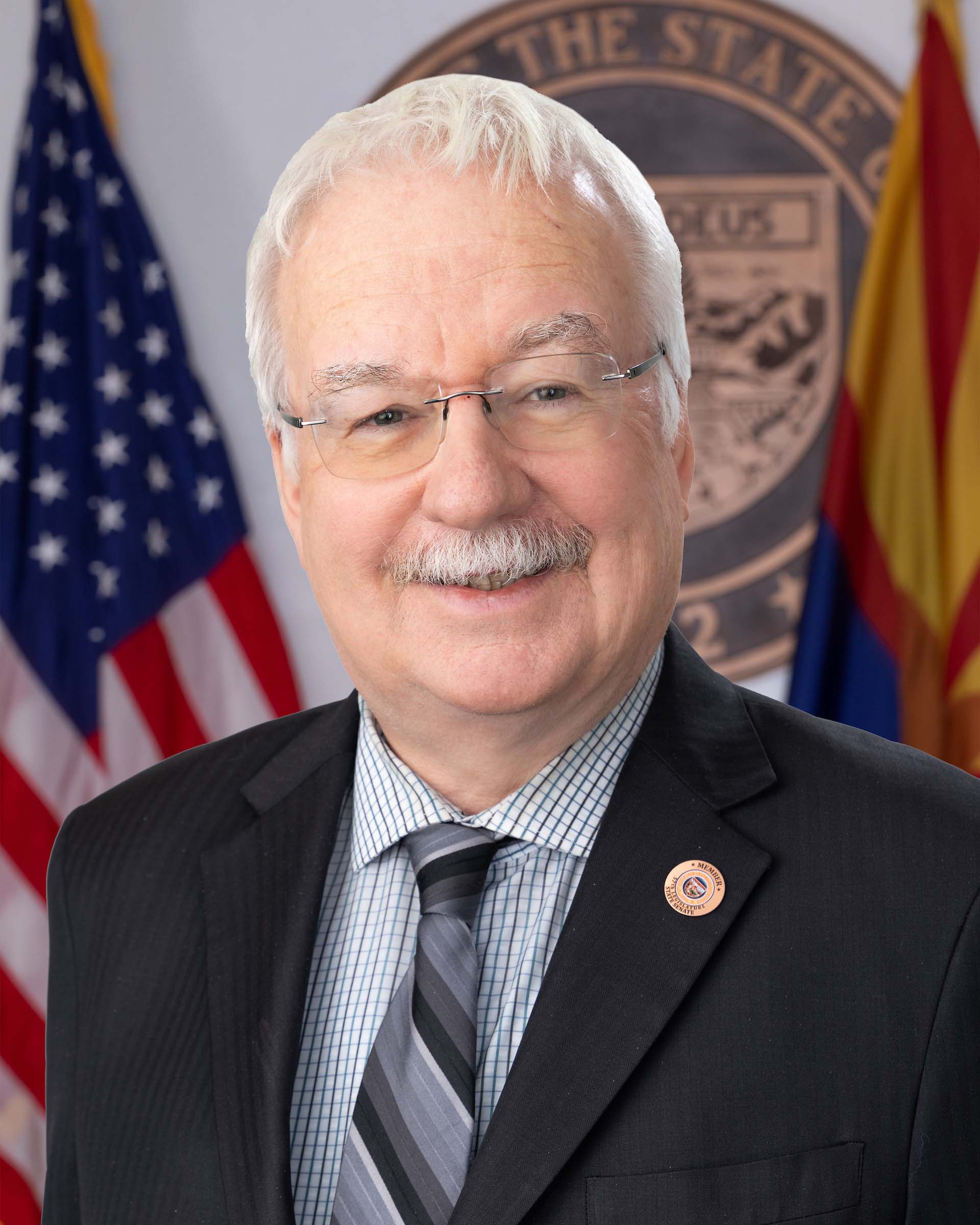
Sen. John Kavanagh
Sponsored bills
Maddy summaryThis bill requires health professionals in Arizona to clearly disclose their actual license type and current board certification status in all advertisements. It mandates that they name the certifying agency when claiming certification, and prohibits false claims about certification. The rule applies to all promotional materials like billboards, websites, and brochures - but not to standard network provider listings. Violations would be considered unprofessional conduct under state law.
Maddy summarySB 1605 amends Arizona's retail tax statute (ARS 42-5061) to add a new exemption for tangible personal property sold to qualifying hospitals and health care organizations. This exemption applies to property used solely for providing health and medical educational and charitable services. The bill's title mentions "firearm storage devices," but the provided text contains no provisions related to firearms or storage devices. The bill is currently pending in the Senate following first and second readings.
Maddy summarySB 1363 creates a legal right for parents to make decisions about their children's upbringing, education, health care, and mental health, and prohibits interference with these rights. It allows parents to sue individuals or entities that violate this right in state or federal court, seeking remedies like court orders, financial compensation, and attorney fees. The bill directly affects parents, schools, healthcare providers, and other organizations that interact with children's education or health. It establishes a private legal mechanism for parents to challenge actions they believe undermine their parental authority, without requiring government enforcement.
Maddy summarySB 1364 changes voting rules for Arizona homeowners' associations (HOAs) after the developer (declarant) no longer controls the HOA. It ends the use of proxies for voting, requiring owners to cast votes in person or via absentee ballot with identification. The bill mandates specific ballot requirements, including clear voting options, a 7-day submission deadline, and secure handling of absentee ballots. It also sets a 20% quorum for board elections and requires HOAs to publicly share election results and board member details. These changes directly affect all HOA unit owners in Arizona, ensuring more direct participation in governance decisions.
Maddy summaryArizona's SB 1223 sets a termination date for the Arizona Criminal Justice Commission (ACJC), ending its operations on July 1, 2033. The bill repeals certain existing provisions (including Section 41-3025.01) and specifies that Sections 41-2404, 41-2405, and the new termination section will be repealed on January 1, 2034. This bill directly affects the ACJC and the agencies it coordinates with, ensuring a formal end to the commission's role in facilitating criminal justice information exchange. The legislation is procedural, establishing a clear timeline for the commission's termination without creating new policies or funding changes.
Maddy summaryHB 2151 creates a secure online system for collecting nomination petition signatures for school board candidates in Arizona. It allows qualified voters to sign petitions electronically through a verified portal, with signatures transmitted directly to election officials. Starting in 2024, candidates may use this system to gather the minimum required signatures; beginning in 2025, they can collect up to 110% of the required signatures this way. The bill specifically applies to school board candidates and other local offices like city/town and county positions.
Maddy summaryHB 2224 prohibits intentionally feeding wildlife in Arizona counties with over 280,000 residents, except for hunters, wildlife management staff, farmers, or feeding squirrels/birds. In cities with over 100,000 people, violations carry a $1,000 fine instead of a minor penalty. The law targets human feeding that disrupts wildlife behavior or creates safety risks. It directly affects residents, businesses, and visitors in large urban counties and cities.
Maddy summaryThis Arizona bill (SB 1141) limits local governments' ability to regulate vacation rentals. Cities cannot ban short-term rentals or restrict them based on their classification, but may enforce rules only for public health/safety (fire codes, building safety), zoning (noise, property maintenance), or specific prohibited uses (e.g., sex offender housing). Owners must obtain a local permit (capped at $250), provide emergency contact info, display permit/license numbers in ads, maintain $500,000 liability insurance, and notify adjacent neighbors before renting. Violations may trigger civil penalties up to $1,000 per 30 days for missing contact info or permit issues.
Maddy summaryHB 2276 requires Arizona state agencies to submit proposed rules expected to increase regulatory costs for businesses by more than $100,000 within five years for review by the Office of Economic Opportunity. If the cost exceeds $500,000, the rule cannot take effect until the legislature passes separate legislation approving it. Agencies cannot finalize such rules without this legislative approval, and if the legislature doesn't act during the session, the proposed rule must be terminated. This directly affects state agencies creating new rules and businesses subject to those rules, adding a legislative review step for high-cost regulations.