

Maddy summarySB 1185 ensures that minor errors or omissions in required public notices do not invalidate the notice. Public bodies, such as city councils and school districts, can proceed with meetings or decisions if they post a corrected notice on their official website at least five days before the hearing. They are not required to republish the correction in the original medium (like a newspaper), as long as the correction is available online by the five-day deadline. This law applies to all public bodies defined under Arizona law.
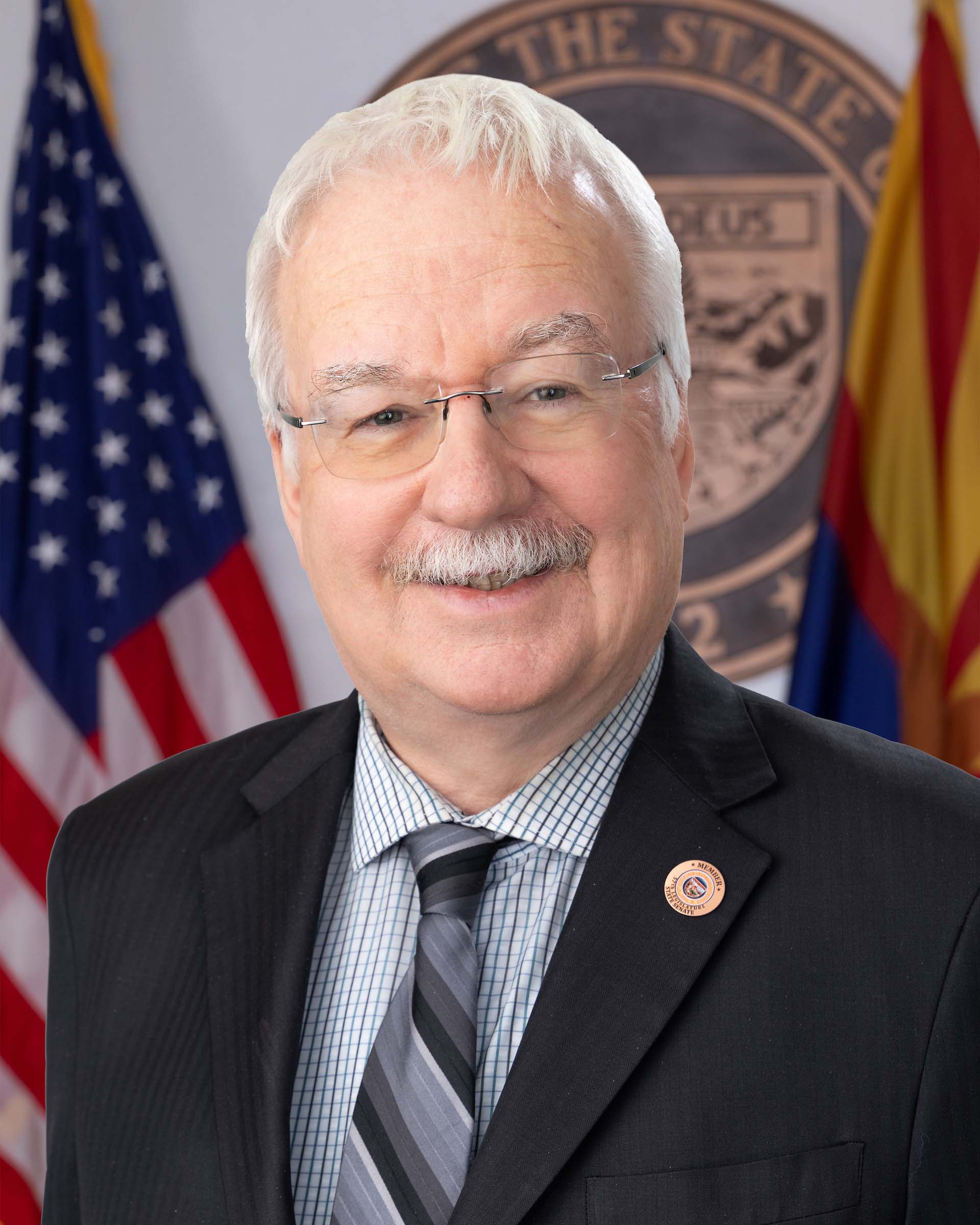
Sen. John Kavanagh
Sponsored bills
Maddy summarySB 1182 (Arizona bill) would require Arizona public schools to add historically accurate instruction about Asian American, Native Hawaiian, and Pacific Islander communities to social studies or history courses. The bill mandates that school districts or charter schools incorporate this content into their minimum course of study, focusing on the history, contributions, and civic participation of these groups. It specifically defines "communities that have been historically underrepresented" to include these examples. This proposed legislation would directly affect all Arizona public schools teaching required social studies or history courses. (Note: The bill is currently in early legislative review stages as of January 2026.)
Maddy summarySB 1103 adds alternative nicotine products like e-cigarettes and nicotine pouches to Arizona's regulatory framework for alcoholic beverages. The bill defines these products as noncombustible items containing nicotine intended for human consumption (excluding tobacco and FDA-regulated products) and requires them to follow the same licensing, age verification, and sales rules as alcohol retailers. This means businesses selling these products must comply with existing alcohol regulations, including age checks and licensing procedures enforced by the state liquor board. The law directly affects retailers of nicotine products and shifts regulatory oversight to the state liquor board, which will now manage their sale under the amended Title 4.
Maddy summarySB 1104 modifies Arizona law to streamline civil cases where pet owners sue veterinarians for animal deaths or injuries. It allows veterinary board records and findings (from investigations into the animal's condition) to be used as evidence instead of requiring expert witness affidavits. The bill also expands allowable damages to include all reasonable veterinary expenses paid by the owner, even if treated by a different veterinarian. This applies to both standard civil cases and small claims disputes involving licensed veterinarians, certified technicians, or veterinary faculty members.
Maddy summarySB 1105 prohibits cities and towns in Arizona from banning short-term rentals (like Airbnb) or restricting them based on classification. It allows local governments only to regulate these rentals for specific public safety reasons (fire/building codes, noise, property maintenance), to require owners to provide emergency contact information (with a $1,000 civil penalty for non-compliance), and to mandate simple permits with limited requirements (e.g., owner contact, address, $250 fee max). The bill directly affects property owners who rent homes short-term, preempting local rules that conflict with these state-mandated provisions. It also requires owners to notify adjacent neighbors before renting and display permit/license numbers in advertisements.
Maddy summaryHB 2317 amends Arizona law to prohibit cities and towns from banning "cruising," defined as repetitive driving past the same location without a destination within a specific time period. The bill directly affects local governments by preventing them from enacting or enforcing ordinances that target this type of driving behavior. It updates Section 28-626 of the Arizona Revised Statutes to explicitly state that local authorities "shall not enact or enforce an ordinance... that prohibits cruising." This change ensures uniform traffic laws statewide, allowing cities to create other non-conflicting traffic regulations but not to ban cruising through local ordinances. The bill does not create new penalties or alter other traffic enforcement mechanisms.
Maddy summarySB 1096 allows religious institutions in Arizona to develop senior living communities on their existing properties without needing rezoning approval or a rezoning hearing. The bill defines "eligible sites" as contiguous parcels owned by religious institutions (like churches or nonprofit religious organizations) and "senior living communities" as facilities for adults 55+ years old, including independent and assisted living. Municipalities and counties may still require standard permits, site improvements, and impact fees that apply to similar developments but cannot impose additional zoning restrictions. This policy change directly affects religious organizations seeking to expand senior housing on their owned land.
Maddy summarySB 1098 prohibits intentionally modifying weather or climate within Arizona by injecting chemicals or deploying apparatus (e.g., via aircraft or drones) to affect temperature, weather, or sunlight intensity. It directly affects individuals or entities conducting such activities, with exceptions for normal aircraft condensation trails, lawful industrial emissions, and emergency response operations. Violations are classified as a class 4 felony and carry civil penalties of up to $100,000 per incident. The bill establishes a process for the department to investigate complaints and coordinate with authorities. (Note: This bill is pending; no votes or passage has occurred yet.)
Maddy summarySB 1007 clarifies governance rules for Arizona's sanitary districts, which manage waste and water systems. It requires districts covering 160+ acres to have at least three elected directors (qualified voters), establishes staggered four-year terms, and sets procedures for converting smaller districts (under 160 acres) to have their own boards after a voter petition with 25% signatures. The bill also specifies that districts must reimburse counties for election costs related to conversions or reorganizations (e.g., expanding from 3 to 5 directors), and limits reorganization elections to once every two years. This directly affects residents in these districts and the county boards managing them.
Maddy summarySB 1027 allows Arizona government entities, such as cities, counties, and state agencies, to post public notices on their official websites instead of solely relying on newspaper publication. To comply, the website must display the full notice in a designated public notices section with a prominent homepage link, and the notice must remain online for the same duration as a newspaper publication would require. Additionally, a reference advertisement must be published in a newspaper meeting specific size and content requirements, including the website address and contact information. This bill ensures electronic postings meet the same legal standards as traditional newspaper publications for public notices.