

Maddy summaryHB 2733 grants legal immunity to Arizona government agencies and employees (like law enforcement) who intercept, disable, or destroy unmanned aircraft (drones) within 30 miles of the state's international border. It protects them from liability for injuries caused during these actions unless they intentionally harmed someone or were grossly negligent. The law specifically applies to drone operators (defined as anyone controlling a drone, including owners or groups acting together) and covers contractors working for government entities. This bill directly affects border enforcement practices and drone operators operating near Arizona's international border.
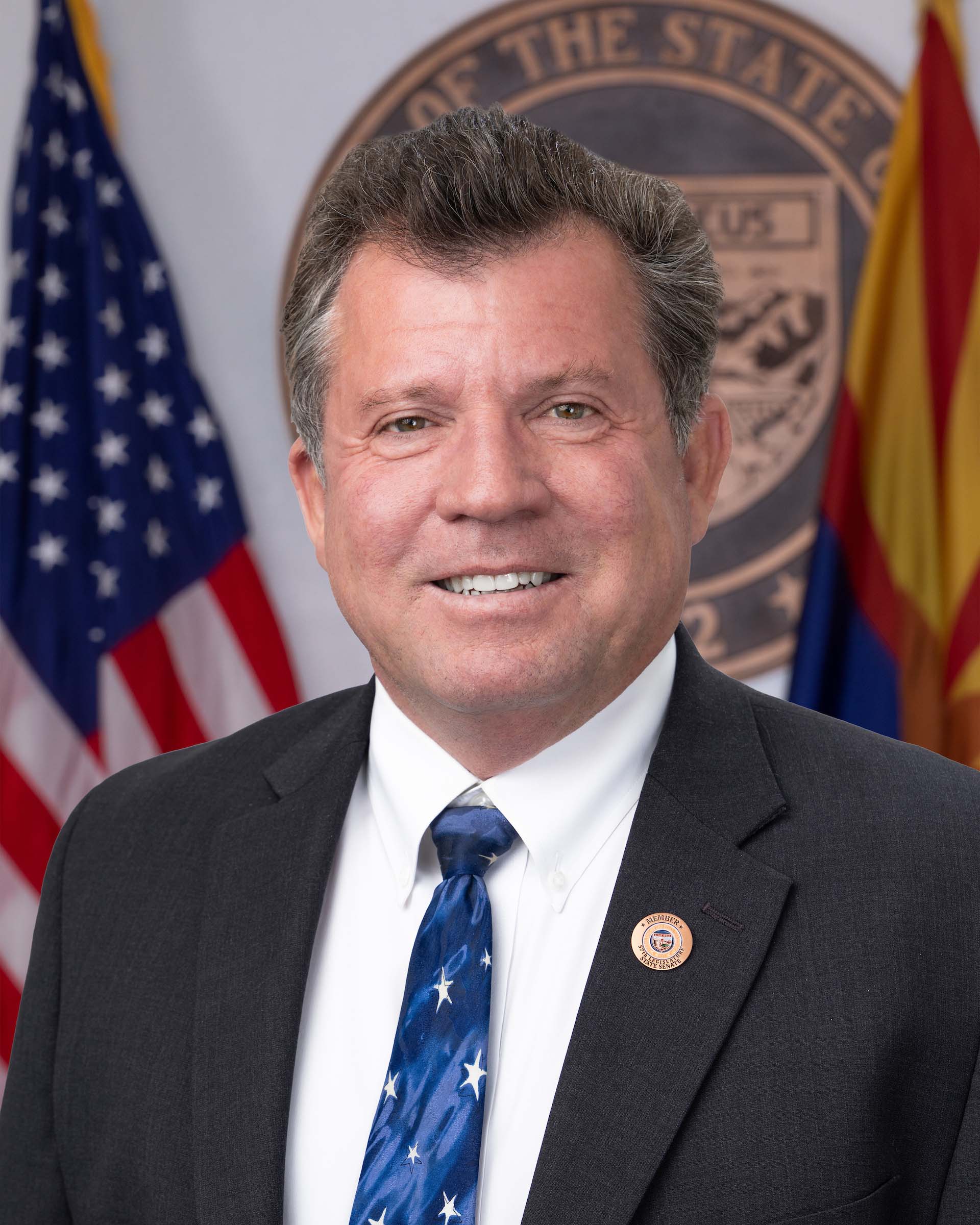
Sen. Tim Dunn
Sponsored bills
Maddy summarySB 1106, titled "Ava's Law," modifies Arizona's public entity liability rules regarding sexual offenses. It clarifies that public entities (like schools or government agencies) generally cannot be held liable for sexual offenses committed by employees against minors or children with disabilities, **unless** the entity violated a duty to check employee backgrounds or failed to report known risks. The law applies only to offenses occurring on or after December 31, 2027, and does not affect liability for vehicle-related incidents or emergency care. This bill focuses on defining specific circumstances where public entities may face liability, not broader policy changes.
Maddy summarySB 1333 creates a "foster youth permanency pilot project team" to help Arizona children in foster care achieve permanent living arrangements before aging out of the system. The team reviews each child’s case, identifies barriers to permanency (like unmet needs or lack of family connections), and develops tailored action plans with input from the child, caregivers, and legal representatives. It directly affects youth at risk of leaving foster care without a permanent home, particularly those turning 18 or entering extended foster care. The team can access agency resources, contract with specialists (like family locators or legal experts), and must protect youth privacy while working toward permanency. The bill also updates foster home licensing rules but focuses primarily on this new support mechanism.
Maddy summarySB 1211 establishes a special fund for Arizona Game and Fish Department publications, funded by sales of their materials. The bill sets a $250,000 cap on the fund's balance; any amount exceeding this must revert to the main game and fish fund. Funds up to $250,000 are exempt from standard budget lapsing rules, ensuring consistent use for producing and distributing department publications. This bill directly affects the Arizona Game and Fish Department's budget management for its publication programs.
Maddy summaryArizona's SB 1495 requires the state's National Guard to stay within Arizona unless Congress formally declares war or takes specific action under the U.S. Constitution (Article I, Section 8, Clause 15) to call the Guard for specific purposes like enforcing federal law or repelling invasion. The bill defines "active duty combat" as participating in armed conflict, performing hazardous duties related to conflict abroad, or using "instrumentality of war." It mandates the governor to ensure compliance with these requirements before deploying the Guard. This bill directly affects Arizona's National Guard deployment decisions and the governor's authority to release troops. The measure is procedural, focusing on constitutional requirements for Guard mobilization.
Maddy summarySB 1212 protects Arizona state agencies and counties from legal liability when agricultural lessees of state lands follow established rules for using biosolids (treated sewage sludge applied to farmland as fertilizer or soil amendment). It presumes such use is reasonable if compliant with existing rules (sections 49-255.03 and 49-468), and prevents lease renewals from being blocked solely due to biosolids use unless the Department of Environmental Quality finds a violation. The bill also requires lessees to share environmental permits with the state and aligns state biosolids regulations with federal Clean Water Act standards. This directly affects agricultural lessees on state lands and state land management entities.
Maddy summarySB 1357 terminates the Arizona Department of Housing on July 1, 2029, and repeals related statutes on January 1, 2030. The bill sets a fixed end date for the department, which currently manages affordable housing programs, manufactured home safety standards, and housing assistance for low- and moderate-income families. It updates Section 41-3953 to clarify the department's duties until termination, including annual reporting on metrics like affordable housing units and homelessness rates. This legislation concludes the department's existence without extending its operations.
Maddy summarySB 1119 clarifies key definitions for Arizona's Residential Utility Consumer Office, including terms like "Director," "Office," and "public service corporation." It specifies that the Office must advocate for "the safest and most reliable utility service achievable at the lowest retail rate possible." This bill directly affects the Office's operations and how utility companies interact with it. The bill passed the legislature in March 2025 but was vetoed by the Governor on March 31, 2025.
Maddy summarySB 1320 amends Arizona law to define key terms related to autonomous and automated vehicles, including "autonomous vehicle" and "automated driving system." This definitional bill, which has been enacted, establishes standardized terminology for future legislation and regulations governing self-driving technology. It does not impose new requirements or directly affect specific individuals or entities but provides clarity for how these technologies will be addressed in Arizona law. The bill focuses solely on definitions within Section 28-101 of the Arizona Revised Statutes.
Maddy summarySB 1261 allocates $957,180 in state funds and five full-time positions for the Arizona Department of Agriculture in fiscal year 2025-2026. It specifically funds three livestock inspectors, one veterinary assistant, and one veterinary technician to support agricultural oversight. The bill also designates $532,725 of this funding as ongoing for future years. The title's mention of "technical correction," "legal opinions," and "schools" does not align with the bill's actual content, which focuses solely on agricultural staffing and funding.