

Maddy summarySB 1304 requires Arizona county sheriffs and state correctional facilities to assess prisoners showing signs of mental illness within 24 hours. It mandates immediate continuation of prescribed medications upon jail intake and requires sheriffs to request serious mental illness designation within seven days for diagnosed prisoners. The bill also establishes court procedures for transferring prisoners to treatment facilities when mental health needs require it, including notice and hearing requirements. These provisions apply to all prisoners in county jails or state facilities with diagnosed or suspected mental health conditions. The law focuses on ensuring consistent mental health treatment during incarceration, without altering criminal proceedings.
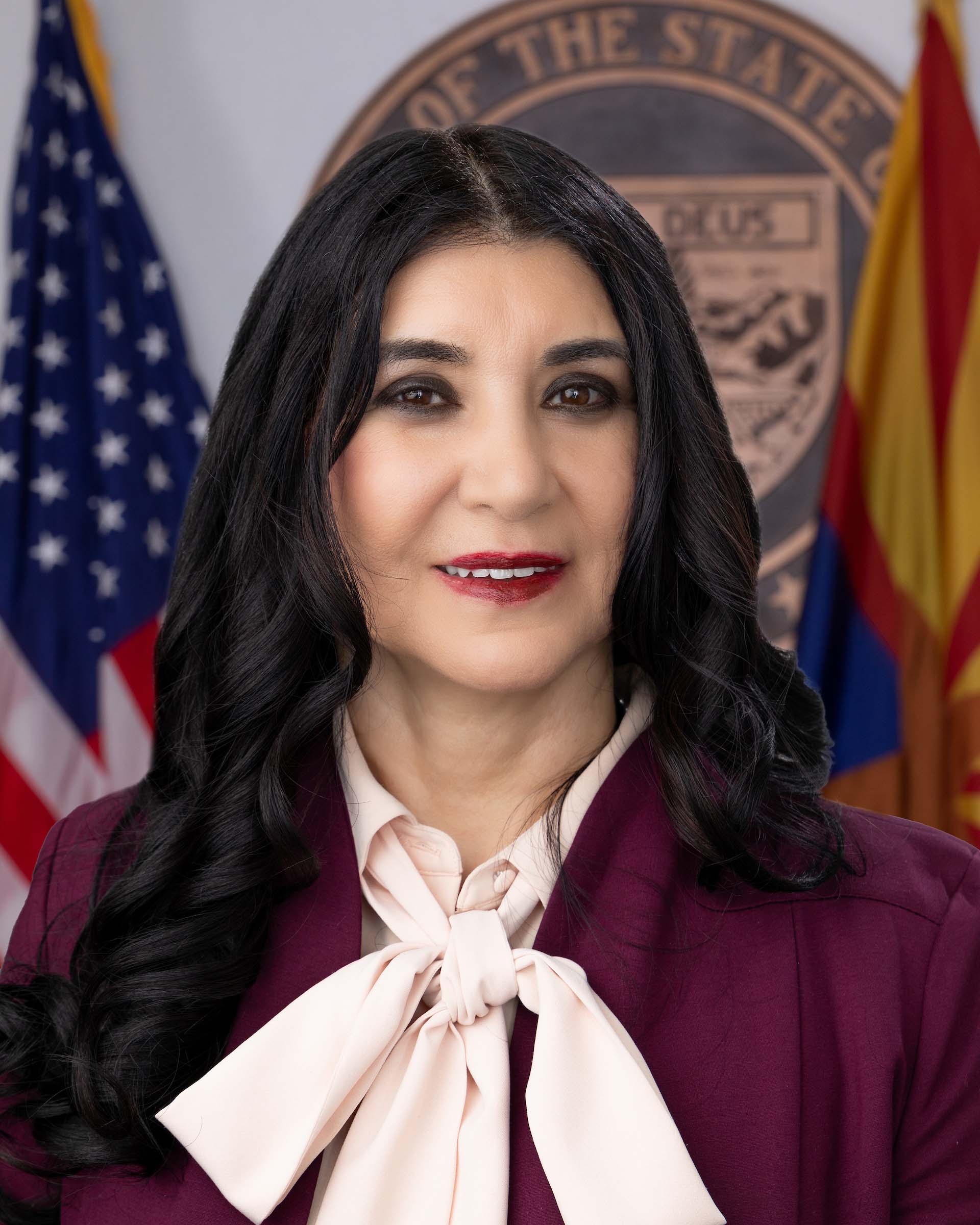
Sen. Eva Diaz
Sponsored bills
Maddy summarySB 1262 amends Arizona voter registration procedures to improve address verification and citizenship documentation. County recorders must send follow-up notices if mail is returned, giving voters 35 days to update addresses or citizenship proof before registration becomes inactive. It specifies acceptable citizenship evidence (e.g., driver’s licenses showing citizenship, birth certificates, passports) and requires counties to participate in a multistate voter registration database. The bill directly affects voters with changed addresses or those needing to verify citizenship, streamlining registration maintenance while requiring counties to update records using postal service data and electronic systems.
Maddy summarySB 1264 requires a mandatory review of Arizona's Empowerment Scholarship Accounts (ESA) program 17 months before its scheduled termination on July 1, 2034. The bill directs legislative committees to evaluate the program's effectiveness, manage efficiency, and whether it meets original goals, including conducting a performance audit by the state auditor general. It mandates public hearings and requires the legislature to decide by July 1, 2034 whether to continue the program. This bill directly affects the ESA program and the state's legislative process for reviewing state-funded education initiatives.
Maddy summarySB 1263 requires Arizona law enforcement agencies to adopt written policies mandating that peace officers visibly display their name or badge number during most law enforcement duties, with limited exceptions for undercover operations, tactical gear, or imminent safety threats. It also prohibits officers from wearing facial coverings that conceal their identity while performing duties, except during undercover work or tactical operations requiring protective gear. The bill directly affects all state and local law enforcement agencies and their officers, imposing civil liability ($10,000 or actual damages) if an officer violates the policy and causes harm. These provisions aim to increase officer transparency and accountability during public interactions.
Maddy summaryHB 2678 adds a new exemption to Arizona's retail sales tax code, removing sales tax on diapers and feminine hygiene products. This directly affects consumers who purchase these essential items and retailers selling them. The bill amends Arizona Revised Statutes § 42-5061 to explicitly exempt "diapers and feminine hygiene products" from the state's retail sales tax, aligning with similar exemptions for items like food and medical supplies. The change applies to all qualifying products sold within Arizona, effective upon enactment.
Maddy summaryArizona's HCR 2041 is a state resolution requesting Congress to call a constitutional convention under Article V to propose term limits for U.S. House and Senate members. It asks other states with similar applications to combine their efforts to meet the two-thirds state requirement for such a convention. If Congress fails to act, Arizona and other participating states would proceed with their own convention to draft term limits. This resolution does not create new law but seeks to restart a state-led process for constitutional change, targeting federal congressional representation.
Maddy summarySB 1383 requires Arizona public school districts and charter schools to provide parents or guardians with two specific pieces of information upon request: (1) the health care credentials (like licenses or certifications) of staff providing routine health care services, and (2) details about required emergency response training (such as CPR) for school employees. The law directly affects parents seeking transparency about school health staff qualifications and the schools that must comply with these disclosure requests. It explicitly excludes sharing personal employee details like addresses, salaries, or social security numbers. This bill, signed into law on May 13, 2025, aims to increase parental awareness of school health services without compromising employee privacy.
Maddy summaryHB 2733 grants legal immunity to Arizona government agencies and employees (like law enforcement) who intercept, disable, or destroy unmanned aircraft (drones) within 30 miles of the state's international border. It protects them from liability for injuries caused during these actions unless they intentionally harmed someone or were grossly negligent. The law specifically applies to drone operators (defined as anyone controlling a drone, including owners or groups acting together) and covers contractors working for government entities. This bill directly affects border enforcement practices and drone operators operating near Arizona's international border.
Maddy summarySB 1106, titled "Ava's Law," modifies Arizona's public entity liability rules regarding sexual offenses. It clarifies that public entities (like schools or government agencies) generally cannot be held liable for sexual offenses committed by employees against minors or children with disabilities, **unless** the entity violated a duty to check employee backgrounds or failed to report known risks. The law applies only to offenses occurring on or after December 31, 2027, and does not affect liability for vehicle-related incidents or emergency care. This bill focuses on defining specific circumstances where public entities may face liability, not broader policy changes.
Maddy summarySB 1311 creates a new "West Valley Charity Special Plate" for Arizona vehicle owners. To implement this, a person must pay $32,000 to the state department upfront, then vehicle owners pay a $25 annual fee ($17 of which is donated to the West Valley Charity Special Plate Fund). The department issues the plates after design approval, and the fund receives all $17 annual donations from plate fees. This program affects Arizona drivers who choose this specialty plate, with the charity fund supporting West Valley community initiatives.