

Maddy summarySB 1229 prohibits Arizona municipalities with over 70,000 residents from restricting home buyers' design choices or imposing certain development rules. It bans local requirements for shared amenities (like community pools), screening walls/fences, minimum lot sizes over 3,000 sq. ft. for new single-family homes, larger home size standards than other housing types, and excessive building setbacks (e.g., front setbacks over 10 feet, except for garages). The law directly affects home buyers, developers, and homeowners in qualifying cities by overriding local zoning and design regulations, while exempting building/fire codes, tribal land, and military zones. It applies only to new developments after the law’s effective date and does not affect existing housing or require municipalities to waive utility or safety standards.
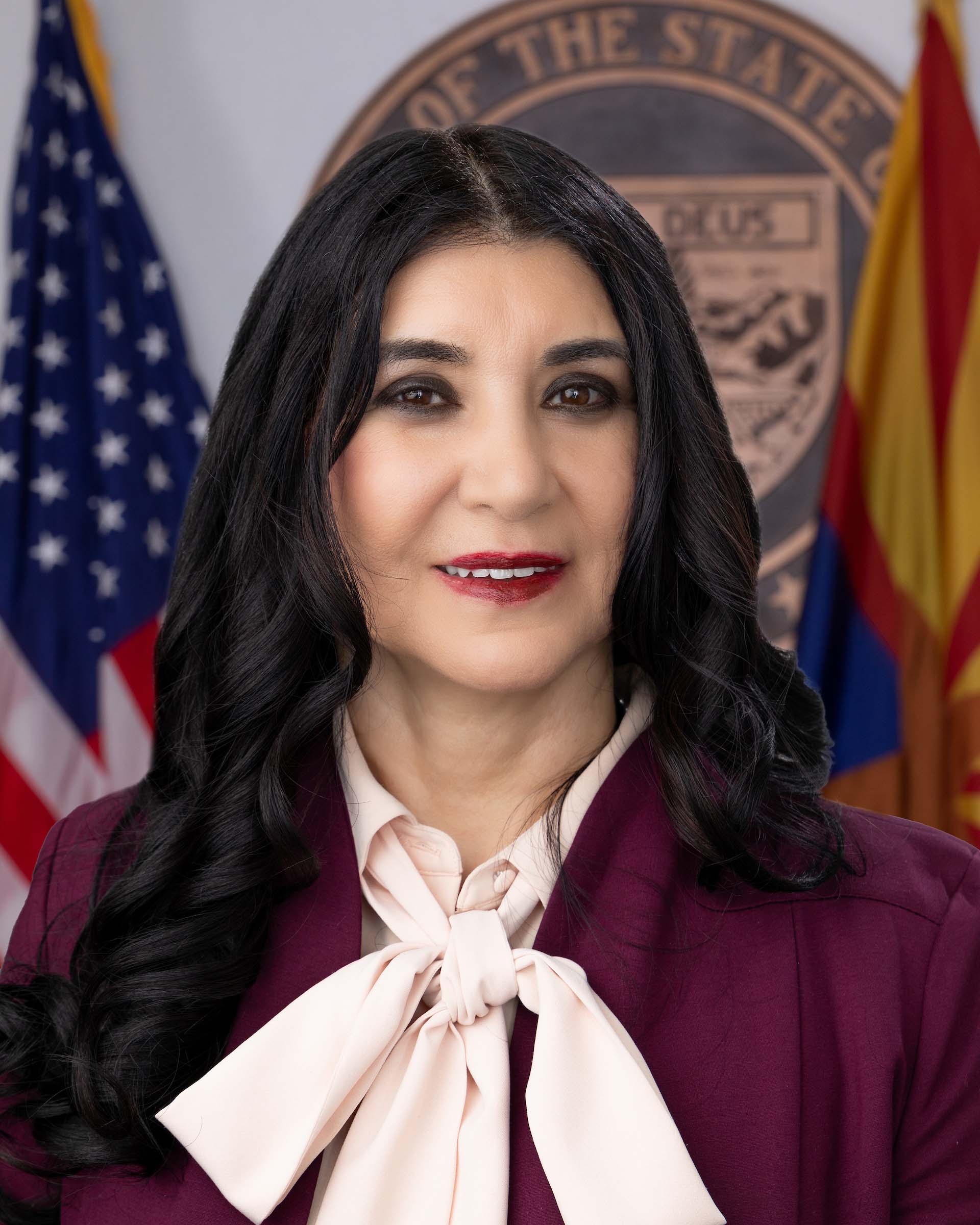
Sen. Eva Diaz
Sponsored bills
Maddy summarySB 1671 adds traditional healing services as a covered benefit under Arizona's Medicaid program (AHCCCS). This coverage applies only to AHCCCS members who qualify under federal regulations (42 CFR § 136.12) and receive services delivered by or through the Indian Health Service or a tribal facility. The bill explicitly requires federal approval for this coverage and is subject to available funding. It does not alter other existing covered services listed in the statute.
Maddy summarySB 1632 creates a program for Hopi Tribe special license plates in Arizona. To implement this, a person must pay $32,000 to the Department of Transportation by December 31, 2025, design the plates (subject to department approval), and can combine the request with personalized plates. Vehicle owners who obtain these plates pay a $25 annual fee, with $17 of that amount designated as an annual donation to a special fund. The bill directly affects Hopi Tribe members (through the plate design and fund) and vehicle owners who choose to purchase these specialty plates.
Maddy summaryHB 2705 amends Arizona election laws to require strict compliance with nomination petition rules for candidates. It specifies exact wording for partisan and nonpartisan petitions, clarifies that signatures from multiple counties are acceptable for district offices, and allows post office box addresses for candidates with protected residences. The bill directly affects candidates seeking public office who must gather signatures through these standardized petitions. It failed to advance in the legislature on February 19, 2025, so these changes did not become law.
Maddy summarySB 1646 allocates $112.45 million from Arizona's general fund and $78.65 million in federal child care funds for the Department of Economic Security to provide child care assistance. The funding supports low-income families who qualify for state child care assistance programs. It directly affects eligible families by ensuring continued access to subsidized child care services. The bill specifies the exact funding amounts and sources for the 2025-2026 fiscal year without changing eligibility rules or program structure.
Maddy summarySB 1636 amends Arizona Revised Statutes § 41-563 to update how cities, counties, and other political subdivisions calculate their annual spending limits under the state constitution. It requires the Commission to determine each subdivision's base limit using 1979-80 revenue data and adjust it yearly based on population growth (using July 1 estimates) and changes in the GDP price deflator. The bill specifies exact formulas for calculating these adjustments, including special rules for annexations, new cities, and county divisions. This directly affects all Arizona local governments subject to constitutional expenditure limits by defining their annual spending caps.
Maddy summarySB 1634 exempts school building blueprints and floor plans from Arizona's public records laws. This means school districts would not be required to share these documents with the public under Title 39, Chapter 1 of state law. The bill directly affects school districts (who no longer must release these plans) and the public (who loses access to them). The key mechanism is creating a new exemption in state law specifically for school architectural plans.
Maddy summarySB 1633 requires Arizona charter schools to publicly post meeting notices, agendas, minutes, and records on their websites and the state board’s website. It also limits executive sessions to specific purposes like personnel decisions or legal advice. The bill bans charter school sponsors from contracting with for-profit organizations starting January 1, 2026, and updates application requirements for new charter schools. These changes directly affect charter schools, their sponsors (like universities or state boards), and future applicants seeking to establish charter schools. The law aims to increase transparency and restrict for-profit involvement in charter school management.
Maddy summarySB 1637 prevents Arizona public schools from shaming, treating differently, or serving different meals to students whose parents haven’t paid school meal fees. It requires schools to provide all students with the same meals meeting federal nutrition standards, regardless of fee status, and prohibits staff from taking disciplinary action (like denying or delaying meals) for unpaid fees. The law explicitly allows schools to serve alternative meals for dietary or religious needs, separate from the fee policy. This directly affects students in Arizona public schools and ensures meal access remains equitable.
Maddy summarySB 1639 expands Arizona's Education Savings Account (ESA) program to cover disability-related services for eligible students. It specifically allows ESA funds to pay for educational and psychological evaluations, licensed therapies, paraprofessionals, vocational training, and assistive technology for students meeting disability criteria under §15-2401. The bill also requires annual education plans conducted by independent evaluation teams to determine continued ESA eligibility through age 22, with reports due by July 31 each year. This directly affects Arizona students with disabilities using ESAs, enabling broader support for their educational needs beyond traditional school settings.