

Maddy summarySB 1174 expands tuition waiver scholarships in Arizona for children and spouses of public safety and military personnel who died in the line of duty or from injuries sustained while traveling to or from work. The bill specifically includes individuals who suffered a posttraumatic stress injury and died by suicide, requiring verification from relevant memorial boards or the department of veterans' services. Eligible recipients can receive up to 64 credit hours at community colleges or enough credits for a bachelor's degree at universities, provided they meet age and marital status requirements. Additionally, the law extends these benefits to National Guard members with Purple Heart citations and veterans with significant service-connected disabilities.
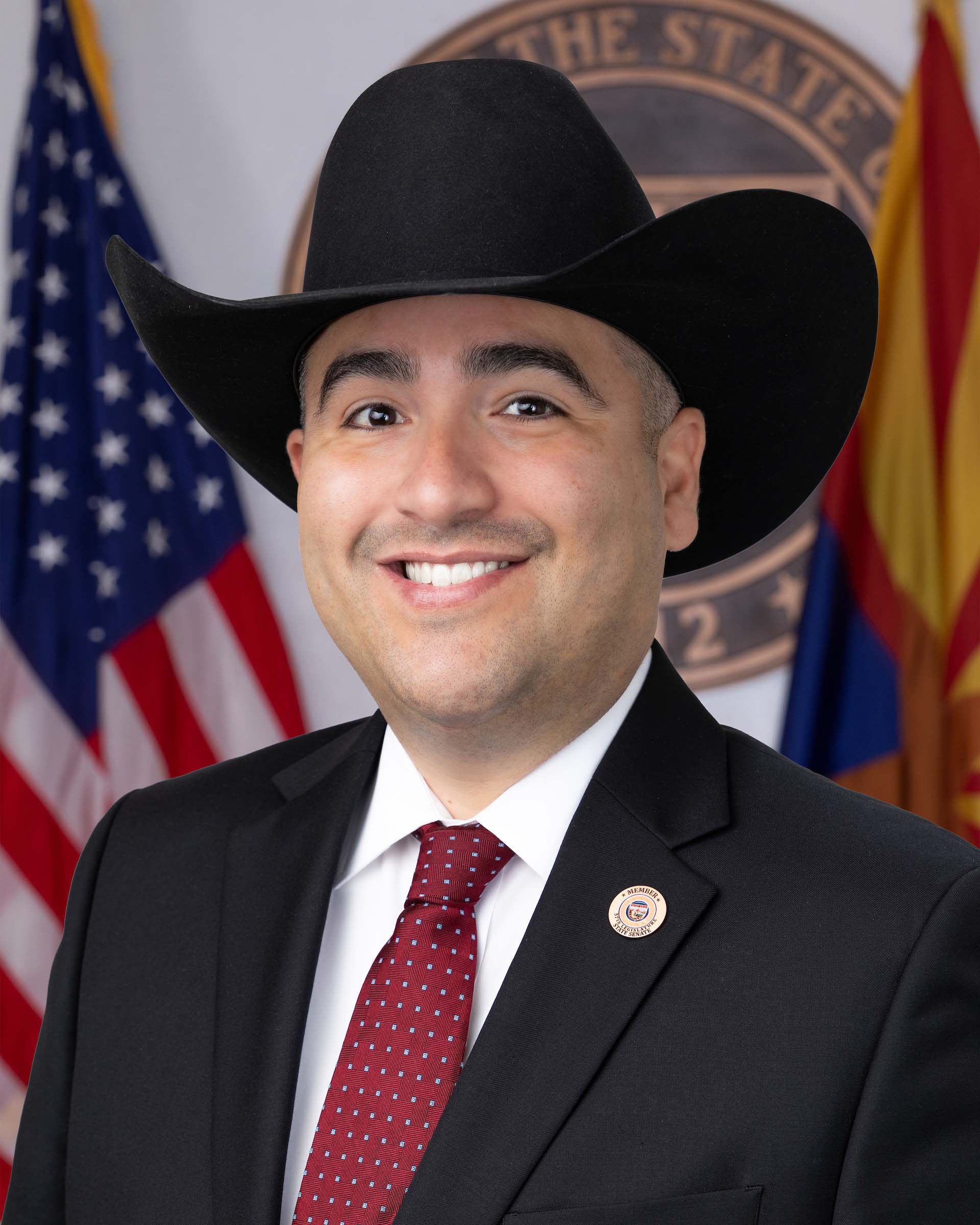
Sen. T.J. Shope
Sponsored bills
Maddy summaryThis bill authorizes the sale of four specific private property parcels in Phoenix to the U.S. Department of Veterans Affairs. It grants the state's consent for the transfer of these lands, which are located on Devonshire Avenue and North 7th Street, for use by the federal government. The legislation includes the precise legal descriptions of the properties and is designated as an emergency measure to take effect immediately upon signing.
Maddy summaryThis bill allows landowners in Arizona's active management areas to permanently stop irrigating their property and instead receive a "physical availability credit" representing the amount of groundwater they previously used. The credit enables these landowners to withdraw or receive that specific volume of water for non-irrigation purposes, such as municipal use, provided the water remains connected to the original land and is delivered by a local provider under a specific contract. Additionally, the bill requires state officials to count this newly available water when determining if a city or town has an assured water supply, which is necessary for approving new subdivisions. Although the bill passed the legislature, it was ultimately vetoed by the Governor.
Maddy summaryThis bill updates Arizona laws to improve how government agencies review water license applications and to strengthen water supply requirements for new residential developments. It mandates that agencies must notify applicants within a set time frame whether their applications are complete or missing information, and if an agency misses this deadline, the application is automatically considered complete. Additionally, the bill clarifies that applicants can appeal a decision declaring their application incomplete. The legislation also requires cities, towns, and private water companies in active management areas to obtain a certificate of assured water supply or a written commitment from a designated provider before approving or selling subdivided lands. These changes aim to create clearer timelines for licensing and ensure new subdivisions have reliable water sources.
Maddy summaryThis bill establishes a regulatory framework for psychedelic-assisted therapy centers in Arizona, allowing licensed facilities to provide psilocybin services under specific supervision rules. It creates an advisory board with representatives from healthcare, law enforcement, Native American tribes, and mental health professionals to oversee training, set safety guidelines, and monitor federal policies. The legislation also sets up a dedicated fund to support clinical trials and requires centers to offer extensive training for staff administering these services. Although the bill passed the legislature, it was vetoed by the Governor and did not become law.
Maddy summaryThis bill proposes a referendum to ban foreign governments and non-governmental sources from donating money or services to Arizona election administration or ballot measure campaigns. It requires vendors and service providers to submit sworn certifications confirming they have not accepted such foreign contributions, with annual updates and quarterly reporting to the Secretary of State. Violations of these rules could result in the invalidation of contracts, misdemeanor charges, and civil lawsuits allowing private citizens to seek damages and injunctions. The legislation explicitly excludes federally recognized sovereign tribal nations from the definition of foreign sources.
Maddy summaryThis bill proposes to declare drug cartels as terrorist organizations within Arizona state law. It directs the Department of Homeland Security to take all actions within its authority to address the threat posed by these groups. The legislation defines a drug cartel as an association involved in human smuggling, drug trafficking for profit, or acts of terrorism, and defines a threat as anything harming individual rights or public safety. If approved by voters, this change would formally categorize drug cartels alongside terrorist organizations for legal and enforcement purposes.
Maddy summaryThis bill formally recognizes public safety telecommunicators as a vital part of Arizona's first responder teams. It commends these workers for their dedication and acknowledges their critical role in handling emergency calls, providing life-saving instructions, and coordinating resources for first responders. The legislation serves as a symbolic resolution to honor the profession rather than changing laws or funding.
Maddy summaryThis Arizona bill requires doctors and hospitals to get written permission from a parent or legal guardian before giving certain hormone-blocking or puberty-suppressing drugs to minors. The law specifically targets medications used to delay puberty or block sex hormones, which are often prescribed to help adolescents who feel distress about their biological sex. It includes exceptions for treating specific medical conditions like disorders of sex development or urgent health emergencies. Anyone who violates these rules could face misdemeanor charges, professional discipline, or lawsuits for damages.
Maddy summaryThis bill requires public and private schools in Arizona with students in grades six through twelve that sponsor athletic teams to provide an automated external defibrillator at every campus and event. To ensure quick access, the law mandates that these devices be unlocked, clearly signed, and retrievable within three minutes, while also requiring coaches to complete state-approved training in CPR and first aid. Additionally, schools must create written cardiac emergency response plans in consultation with local emergency medical services, detailing specific roles, equipment locations, and procedures for handling medical emergencies during the school day or at sports events. The legislation allows schools to accept donations to help cover the costs of these devices and training, and it directs state funds to assist schools with higher numbers of low-income students in purchasing necessary equipment.