

Maddy summarySB 1662 amends Arizona law to revise definitions for calculating a school's average daily membership (ADM), which determines state funding. It updates how part-time students are counted (e.g., as 0.25-0.75 of a full-time student) and sets specific minimum instructional hour requirements for different grade levels and student groups, such as preschool children with disabilities. School districts and charter schools must use these revised definitions when reporting enrollment data for funding calculations. The bill title mentions "tribal students," but the provided text does not include any provisions related to tribal students or group B students.
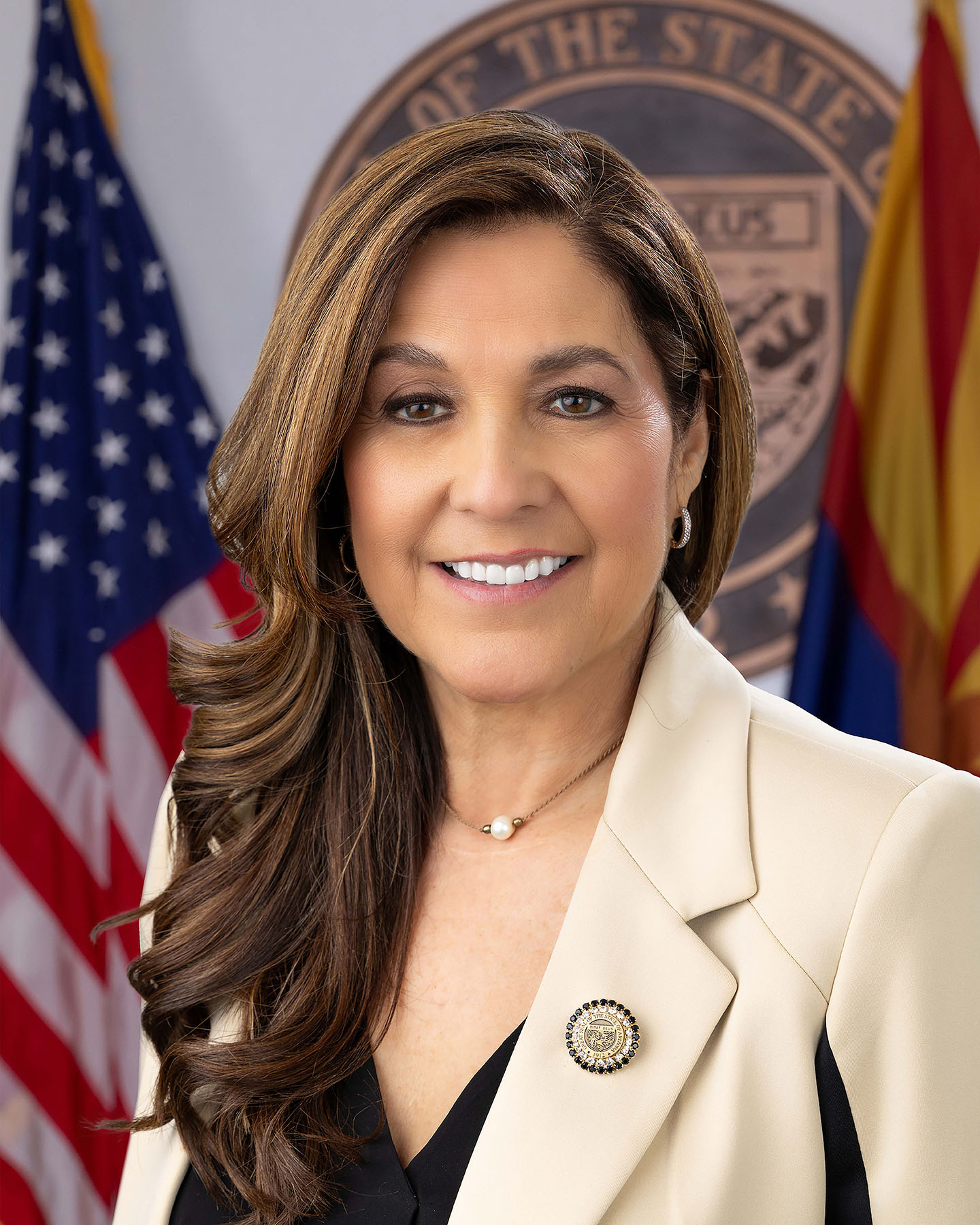
Sen. Catherine Miranda
Sponsored bills
Maddy summarySB 1651 makes it a crime for anyone to tamper with or open containers holding early voted ballots, except when election officials are performing their official duties. Violating this law is classified as a class 1 misdemeanor. The bill directly affects individuals who might interfere with ballot containers during early voting, excluding election workers. It focuses on preventing unauthorized access to ballot receptacles to protect voting integrity.
Maddy summarySB 1594 repeals Section 34-321 of Arizona law, which previously required applicants for environmental compatibility certificates (for projects like energy facilities) to comply with certain labor agreements, such as neutrality agreements or project labor agreements. The bill removes this requirement, meaning project applicants no longer need to negotiate or enter into such labor agreements as a condition for approval. This directly affects developers of energy projects seeking environmental permits in Arizona. The repeal focuses solely on eliminating this specific labor agreement mandate from the environmental review process.
Maddy summarySB 1652 makes it a crime to threaten, intimidate, or physically obstruct election officials in Arizona while they perform their duties. The bill prohibits verbal, written, or physical threats aimed at impeding election work or retaliating against officials (Section A), using threats of force or economic harm to influence them (Section B), or blocking access to voting locations or election facilities (Section C). Violations are classified as class 1 misdemeanors (Section E), and officials can file civil lawsuits seeking restraining orders or damages without proving the threat was intended to cause fear (Section D). This bill directly affects election workers, including board members, and aims to protect them from harassment during election administration.
Maddy summarySB 1547 establishes a mail-in ballot system as an alternative voting method for elections in Arizona's agricultural improvement districts. It requires election officials to mail ballots, return envelopes, and instructions to all eligible voters 90 days before an election, with ballots due by 7:00 p.m. on election day. Voters may also request ballots in person or vote at designated early voting locations until 7:00 p.m. on election day. This bill directly affects voters in agricultural improvement districts by providing a mail-based voting option alongside traditional in-person voting, streamlining the process for these specific districts.
Maddy summaryThis constitutional amendment establishes permanent funds for revenue from Arizona's land grants, requiring strict separation of funds based on the original land grant purpose. It mandates that funds be invested in safe securities (capping equities at 60% and single-company holdings at 5%) and sets specific annual distribution rates: 2.5% until 2024-2025, 6.9% from 2025-2026 through 2034-2035, then returning to 2.5%. Distributions fund basic state aid and school funding, with automatic reductions during market downturns to preserve capital. The bill directly affects how Arizona manages and distributes long-term land trust revenue to public education and state aid programs.
Maddy summaryHB 2781 amends Arizona's landlord-tenant law to authorize the Attorney General to investigate violations of the chapter under consumer fraud and civil rights statutes. It directly affects landlords and tenants by adding the Attorney General as an enforcement authority for these violations, alongside existing mechanisms. The key provision allows the Attorney General to investigate under Title 44 (consumer protection) and Title 41 (civil rights) without creating new tenant or landlord obligations. This is a procedural change to enforcement, not a policy shift in tenant rights. The bill is in early stages (House first and second readings in February 2025).
Maddy summarySB 1669 modifies Arizona's SNAP eligibility rules for individuals convicted after 1996 of felony drug offenses. It allows eligibility if they complete substance abuse treatment, are enrolled in a treatment program (even while waiting), actively participate in treatment, have a medical exemption, or comply with probation drug testing requirements. The bill also requires more frequent drug testing for applicants whose offenses occurred within 24 months of applying. This directly affects low-income Arizonans with past drug-related felony convictions seeking food assistance.
Maddy summarySB 1546 requires Arizona agricultural improvement districts to publicly post on their websites a listing of elected directors and a map (or similar tool) showing which directors represent specific residents. This transparency measure directly affects residents of agricultural districts who want to identify their local representatives. The bill mandates districts to make this information easily accessible online, ensuring residents can determine their district's governance structure. (This is a procedural bill focused on disclosure, not substantive policy changes.)
Maddy summarySB 1670 modifies Arizona's Temporary Assistance for Needy Families (TANF) program by extending the lifetime limit for cash assistance from 60 to 120 months (10 years) for most recipients, retroactive to 2002. It exempts child-only cases and allows an additional 12 months if recipients comply with work requirements and children maintain 90% school attendance. The bill also explicitly prohibits the Department of Economic Security from requiring drug testing for TANF recipients, reversing prior policy. These changes apply retroactively to June 30, 2025, and affect low-income families receiving cash assistance under Arizona's TANF program.