

Maddy summaryThis bill amends Arizona state statutes to clarify how lottery funds are distributed and to update regulations regarding insurance company examinations. It establishes a specific order for spending lottery revenue, prioritizing debt service payments before allocating fixed amounts to various programs such as child safety, health education, and homeless shelters. Additionally, the legislation modifies the rules for how the state director of finance inspects insurance companies, allowing them to accept reports from other states instead of conducting full reviews in certain cases. The changes also set specific dollar thresholds that must be met before certain funds can be deposited, ensuring that general state funding needs are addressed first.
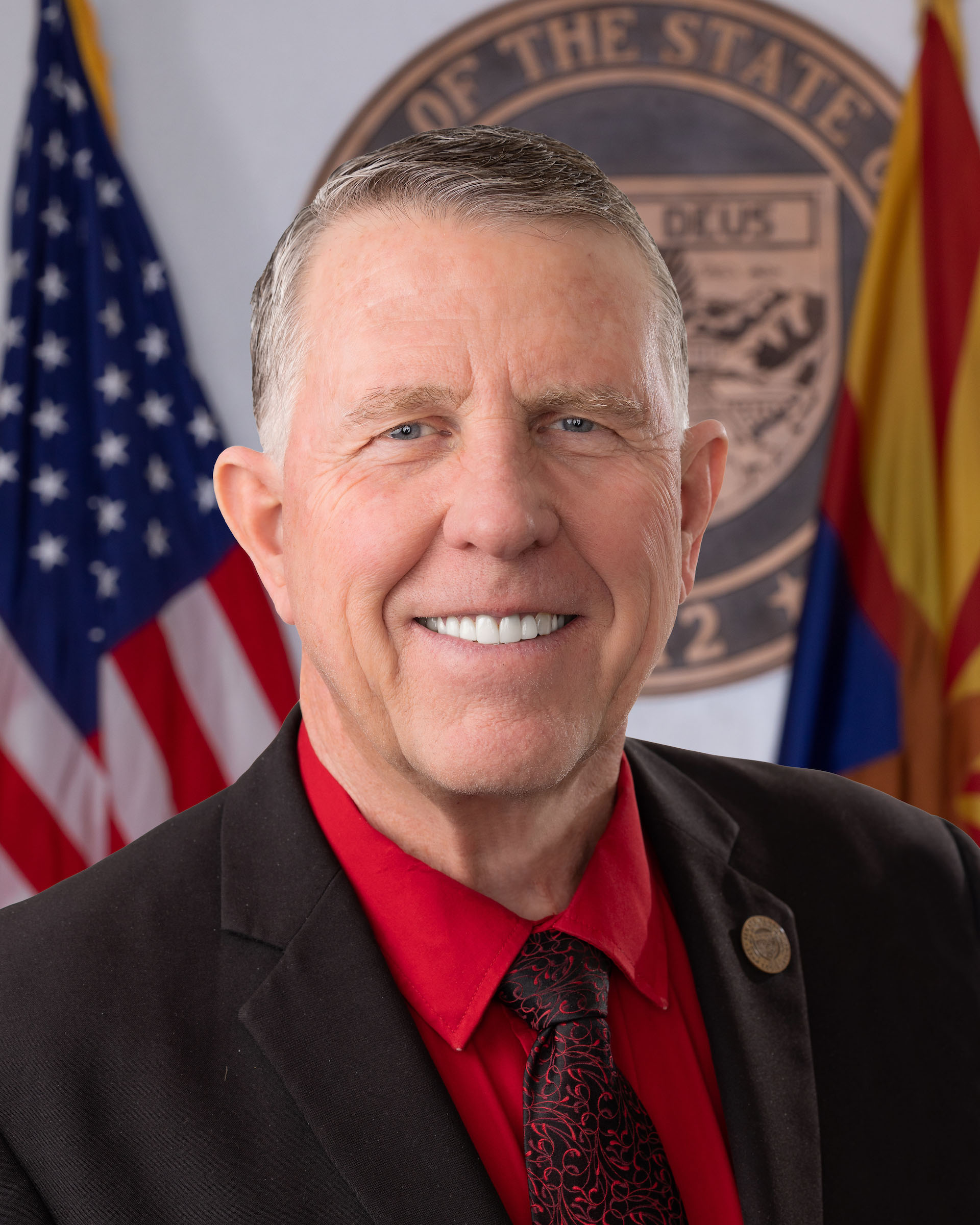
Sen. Dave Farnsworth
Sponsored bills
Maddy summarySB 1848 updates Arizona's regulations for boxing, fantasy sports, and liquor licensing for the 2026-2027 fiscal year. For boxing promoters, the bill requires a 4% tax on gross ticket receipts and mandates financial audits by certified public accountants to verify revenue. It also clarifies that license fees and withheld payments from sham contests go into a specific state fund. Additionally, the law establishes a new fee for fantasy sports operators, capped at 10% of their adjusted monthly revenues. Finally, the bill modifies rules for liquor license funds and clarifies the expiration dates for combatant medical examinations.
Maddy summaryThis bill allows Arizona counties with fewer than 250,000 residents to use up to $1.25 million from any designated revenue source to cover general county expenses in the 2026-2027 fiscal year. It specifically permits these counties to utilize funds from countywide special taxing jurisdictions, provided the money is not used for purposes other than what the original revenue source was intended for. Counties must submit a report to the joint legislative budget committee by October 1, 2026, detailing whether they exercised this authority and specifying the revenue sources and amounts used. The legislation applies only to smaller counties and sets a strict limit on the amount of flexible funding available for that specific fiscal year.
Maddy summarySB 1860 establishes specific rental rates for state-owned buildings in fiscal year 2026-2027, setting the price at $17.87 per square foot for office space and $6.43 per square foot for storage space. The bill also requires the Department of Administration to submit a detailed report within ten days of selling any state property located in the governmental mall, including the sale price and where the funds will be deposited. Additionally, the legislation authorizes the placement of a commemorative plaque in the governmental mall to honor the Arizona America 250 commission, but explicitly states that public funds cannot be used for its creation or fundraising. Finally, the section regarding the commemorative plaque is set to be automatically repealed on September 30, 2029.
Maddy summarySB 1859 outlines the powers and duties of the Arizona state department for the 2026-2027 fiscal year, focusing on improving information technology management across state agencies. The bill requires agencies to adopt statewide technical standards, submit annual technology plans, and undergo strict review for projects costing between $25,000 and $1 million, with larger projects needing independent third-party reviews. It also grants the department authority to temporarily suspend funding for at-risk projects and mandates the use of unrestricted federal monies for essential government services starting in July 2026.
Maddy summaryThis bill establishes a new state fund to help Arizona communities secure federal transportation grants by covering up to 50% of application costs and providing matching funds for approved projects. The money is distributed equally among five categories based on population size, ranging from large counties and cities to smaller rural areas and towns, while excluding projects in the state's most populous urban regions. To receive these funds, applicants must first get approval from their local planning organization and then submit a detailed application to the state department for review. The bill also repeals an existing statute regarding highway user revenue fund distribution and creates a new section to govern the allocation of the new fund.
Maddy summarySB 1849 appropriates state funds to the Arizona Department of Transportation for various highway projects, including road repaving, bridge construction, and traffic studies across multiple counties. The bill allocates money for specific initiatives such as widening roads in Goodyear, building an overpass on State Route 347, and conducting feasibility studies for new corridors in Pinal and Pima counties. It also establishes conditions for certain projects, requiring local governments or regional associations to contribute matching funds before state money is spent. Additionally, the legislation exempts these specific appropriations from standard legislative review and prevents the funds from expiring until the projects are completed or abandoned.
Maddy summarySB 1856 updates the financial rules for charter schools in Arizona that are sponsored by state agencies, universities, or community colleges. The bill clarifies that school districts are not financially responsible for these specific charter schools and establishes how their funding, including base support and additional assistance, will be calculated. It also introduces stricter measures to prevent double-counting students who are enrolled in both charter and traditional public schools by limiting their total daily membership to one. Furthermore, the legislation requires these schools to adjust their student counts and budgets based on actual enrollment data within the first few months of the school year.
Maddy summaryThis bill establishes annual groundwater withdrawal fees for specific areas in Arizona, including Prescott, Santa Cruz, Tucson, Phoenix, and Pinal, with a maximum charge of $5 per acre-foot. The collected funds are allocated to cover administrative costs, water supply augmentation, conservation assistance, water banking, and the purchase of older water rights, while also creating a dedicated fund to help irrigation districts build and repair wells. Small-scale farmers using fewer than ten acres for irrigation are exempt from these fees unless their land is part of a larger integrated farming operation. The legislation applies to individuals or entities that withdraw and beneficially use groundwater, excluding stored water from certain areas.
Maddy summarySB 1858 outlines how specific state tax revenues collected in Arizona will be distributed for the 2026-2027 fiscal year. The bill directs these funds to various education-related accounts, including basic state aid for schools, technology and research grants for universities, workforce development programs for community colleges, and support for tribal-operated colleges. Additionally, it allocates money for school safety initiatives, failing school tutoring, and reimbursement for income tax credits. The legislation also establishes fees for local governments to help cover the costs of modernizing the state's integrated tax system.