

Maddy summarySB 1854 amends Arizona Revised Statutes to update the administrative powers and duties of the Arizona Board of Regents for the 2026-2027 academic year. The bill clarifies the board's authority to delegate governance tasks to university presidents and committees while retaining the power to remove officers or employees as needed. It establishes specific rules for setting tuition and fees, including requirements for public hearings, advance notice of proposed increases, and a roll call vote on final decisions. Additionally, the legislation defines criteria for undergraduate credit hour thresholds and outlines policies for guaranteed admission to ensure equitable access for students from public, private, charter schools, and homeschools.
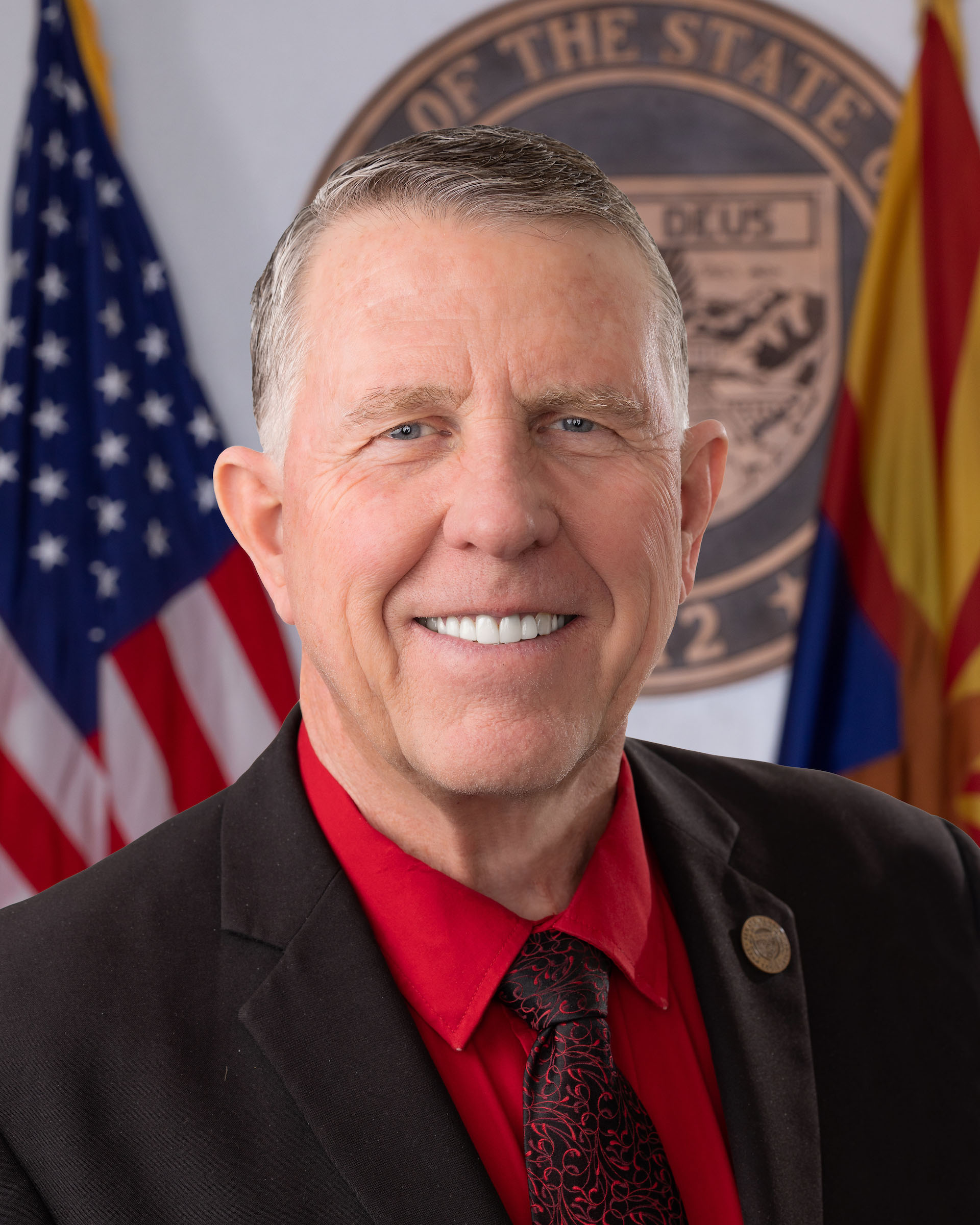
Sen. Dave Farnsworth
Sponsored bills
Maddy summarySB 1861 is an omnibus bill that updates Arizona's insurance premium tax rates and reporting requirements for the 2026-2027 fiscal period. The legislation primarily affects insurance companies operating in the state by establishing specific tax percentages for different types of coverage, such as fire, disability, and health plans, while also setting a new standard rate of 1.70 percent for most other insurance starting in 2021. Key provisions include a lower tax rate of 0.66 percent for fire insurance on properties in cities that use private fire companies, along with rules for how those tax funds are distributed to local fire districts and retirement systems. Additionally, the bill mandates that insurers submit annual reports detailing their premium income and tax payments, with larger insurers required to make monthly tax deposits throughout the year. The measure also clarifies definitions for calculating taxable fire insurance and allows for electronic submission of reports and payments.
Maddy summaryThis bill updates Arizona laws to regulate overdose and disease prevention programs and establishes a new fund for rural health improvements. It allows cities and organizations to run programs that provide free needles, naloxone kits, and educational materials to reduce disease spread and encourage drug treatment enrollment. The legislation also prohibits the use of opioid settlement funds to finance safer smoking equipment for drug users. Additionally, it creates the Arizona Rural Health Transformation Fund, which requires the state to hold public meetings in northern, central, and southern regions before spending money received from federal rural health grants.
Maddy summaryThis bill updates Arizona laws to strengthen protections for tenants in mobile home parks facing changes in park use or significant rent increases. It requires landlords to provide at least 180 days' written notice before a park changes use and prohibits rent hikes within 90 days of that notice. Under the new rules, tenants affected by these changes can receive financial assistance from a relocation fund to cover moving expenses, with specific payment amounts varying based on the size of the mobile home and whether the tenant chooses to relocate or abandon the home. The legislation also clarifies that landlords must contribute specific funds to the relocation assistance program for each tenant affected by a change in use or a substantial rent increase. Additionally, the bill outlines procedures for tenants to apply for and receive these payments, including requirements for submitting relocation contracts and documentation to the state director.
Maddy summaryThis bill establishes a fee collection system for Arizona counties, cities, towns, councils of governments, and regional transportation authorities to fund the state's integrated tax system modernization project. The Department of Revenue will assess these fees annually based on the amount of state shared revenue each local entity receives, with a total annual cap of $6,286,300 for the 2026-2027 fiscal year. If a local government fails to pay the assessed fee by December 31, the state will withhold future state revenue distributions until the debt is cleared. All collected fees and related transfers will be placed into a dedicated fund used solely to cover the administrative and operational costs of updating the tax system.
Maddy summaryThis Arizona bill mandates stricter verification processes for state health care eligibility by requiring monthly data checks against tax and death records, while also ending the acceptance of self-reported information without independent proof. It specifically targets able-bodied adults for quarterly eligibility reviews and limits "presumptive" emergency coverage to only children and pregnant women, requiring hospitals to assist applicants in transitioning to full applications. The legislation also establishes a penalty system for hospitals that fail to follow these new rules, including mandatory staff training and the potential loss of their ability to make eligibility determinations.
Maddy summaryThis bill, titled the 2026-2027 General Appropriations Act, allocates state funding to various Arizona government agencies for the upcoming fiscal year. It directly affects state departments such as Administration, Accountancy, and Acupuncture by providing specific lump-sum appropriations and funding from designated sources to cover operations, personnel, and specialized projects. Key provisions include distributing money to smaller counties for retirement plan contributions and essential services, requiring departments to submit financial reports to the legislature, and setting spending limits that trigger additional reporting requirements. The legislation establishes clear rules for how funds from specific sources, like the automation operations fund, must be used and monitored.
Maddy summaryThis bill directs Arizona state officials to handle federal funds and adjust budget rules for the 2026-2027 fiscal year. It requires any unrestricted federal money received during that period to be placed in the state general fund specifically to pay for essential government services. The legislation also temporarily suspends standard requirements for the budget stabilization fund, allowing it to hold more than its usual limit and preventing the transfer of surplus funds to the general fund. Additionally, the bill mandates that the governor's budget proposal for 2027-2028 include a detailed report explaining how the government efficiency and reform initiative will achieve its $100 million savings target.
Maddy summaryThis bill requires the Arizona Department of Transportation to submit an annual report by July 31 detailing progress in reducing wait times at motor vehicle offices and speeding up vehicle registration renewals by mail. The report must be sent to the Joint Legislative Budget Committee and should follow the same format used in previous years. This provision directly affects Arizona residents who wait for services at motor vehicle divisions or renew their vehicle registrations through the mail, as it mandates government transparency regarding service efficiency.
Maddy summaryThis bill allows Arizona counties with fewer than 250,000 residents to use general county funds to pay for specific financial obligations in the 2026-2027 fiscal year, provided they do not exceed $1.25 million for purposes unrelated to the original funding source. It applies to counties where the board of supervisors also manages any countywide special taxing jurisdictions. To ensure transparency, the legislation requires these smaller counties to submit a report by October 1, 2026, detailing whether they used such funds for alternative purposes and specifying the amounts involved.