

Maddy summarySB 1185 requires Arizona municipalities to provide 24-hour access to public restrooms and potable water for homeless individuals, and counties to do the same for county-maintained facilities. The bill establishes statewide preemption, prohibiting local governments from adding further regulations on this requirement. It declares homelessness a statewide concern, making the access mandate uniform across all jurisdictions. The bill failed to pass on February 20, 2025, after advancing through Senate readings.
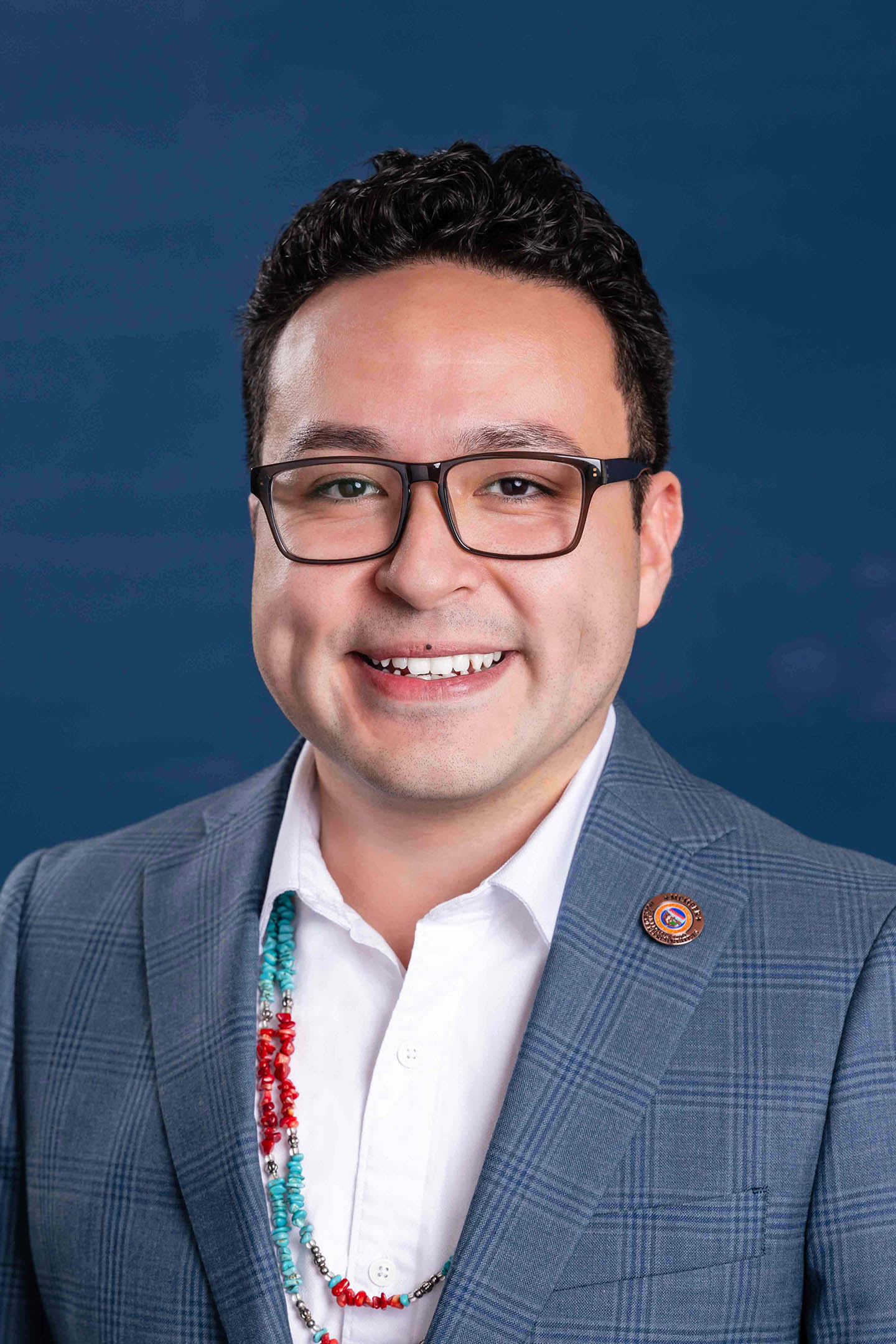
Rep. Brian Garcia
Sponsored bills
Maddy summaryHB 2795 establishes Arizona's "Arizona HEALTH Program," a state-run health care system providing comprehensive coverage to all Arizona residents who choose to enroll. The program would be funded through a new payroll tax requiring employers to pay 80% and employees 20% of wages above $25,000 annually, with no premiums or enrollment fees for residents. Key provisions include creating a Board of Trustees with specific stakeholder representation to develop benefit coverage plans incorporating existing state health programs like Medicaid and state employee benefits. The bill directly affects all Arizona residents and employers by creating a mandatory state-funded health care option alongside private insurance choices.
Maddy summaryHB 2853 establishes the Tribal Community College Operations Fund to provide dedicated state funding for tribal community colleges in Arizona. It appropriates $13.3 million annually from the state general fund for fiscal years 2025-2026 through 2027-2028, directly supporting operational costs like instructional programs and daily expenses for these institutions. The fund, managed by the Department of Administration, is exempt from standard appropriation lapse rules and can use investment earnings. This bill specifically targets tribal community colleges to strengthen their ongoing operations through guaranteed state funding.
Maddy summaryHB 2911 allocates $5 million annually from the state general fund for Arizona's Department of Child Safety (DCS) to support its existing Healthy Families Program. The funding covers fiscal years 2025-2026, 2026-2027, and 2027-2028, with the legislature intending this to become ongoing annual funding. This bill directly affects the DCS program, which provides services to families, though it does not change the program's structure or eligibility. The key mechanism is the dedicated state funding stream for the program's operations. The bill focuses solely on financial support for an established service, with no new policy requirements.
Maddy summaryHB 2907 changes eligibility rules for Arizona school district governing board members. It prohibits school employees (including third-party contractors) and their spouses from serving on the board, and bans immediate family members who lived in the same household within the past four years from serving simultaneously on five-member boards. For larger districts (over 250 students in high-population counties), it limits to two related members (by blood or marriage) on the board. The bill also requires candidates to submit written statements disclosing family relationships with other candidates or board members, and allows residents to sue if these rules are violated. This directly affects school board candidates and members in Arizona school districts.
Maddy summaryHB 2900 updates Arizona's health insurance appeal process for denied coverage. It gives members up to two years to request an initial appeal after a denial and requires insurers to send written acknowledgment within five business days. The bill specifies that appeal reviews for medical necessity must be conducted by licensed physicians or advanced practice nurses (like nurse practitioners), and clarifies when external reviews can be requested. This affects patients, healthcare providers, and insurers by standardizing appeal timelines and review procedures.
Maddy summaryHB 2936 establishes new rules for when Arizona schools may use physical restraint or seclusion on students. It requires that such techniques only be used when a student's behavior presents an imminent danger of bodily harm, with continuous monitoring and proper training for staff. Schools must notify parents within 24 hours of an incident and document details like triggers, techniques used, and duration. Parents or others can file complaints with the state department if schools violate these rules, leading to mandatory staff training for confirmed violations. The bill directly affects students, school staff, and parents in Arizona public and charter schools.
Maddy summaryHB 2909 sets new salary requirements for workers classified as exempt from overtime pay under Arizona law. It requires exempt salaried employees (excluding teachers, licensed medical professionals, and attorneys) to earn at least the 40th percentile of weekly wages for full-time nonhourly workers in Arizona's lowest-wage region, adjusted every three years starting in 2028. The bill updates Arizona's exemption threshold to align with federal wage data, ensuring exempt workers meet a minimum compensation standard. This directly affects salaried professionals in administrative or professional roles who previously qualified for overtime exemptions under lower salary thresholds. The change aims to modernize Arizona's overtime rules without altering federal standards.
Maddy summaryHB 2890 requires Arizona employers with 15 or more employees to provide reasonable accommodations for pregnant workers, such as modified equipment, more frequent breaks, schedule changes for prenatal visits, or assistance with manual labor, unless it causes significant difficulty for the business. Employers cannot force pregnant employees to use vacation or sick leave when accommodations are possible and must post clear notices about these requirements in employee handbooks and provide written notice to new hires, current employees, and pregnant employees within 10 days of pregnancy notification. The bill directly affects pregnant employees and their employers across Arizona, ensuring they receive specific workplace adjustments without penalty. It takes effect after the law is enacted, with written notices required within 180 days of the effective date.
Maddy summaryHB 2910, the "Wage Antidiscrimination Act," protects Arizona employees by banning employers from prohibiting wage discussions or requiring employees to sign agreements that limit pay transparency. It prohibits employers from asking about a job applicant's prior salary before making an offer and prevents retaliation against employees who discuss pay or assert their rights. The law updates equal pay protections to bar employers from using past salary history as a defense in discrimination claims, ensuring pay differences are based on factors like seniority or job duties - not gender. Employees can file civil lawsuits for violations, seeking remedies like back pay, reinstatement, or removal of negative employment records.