

Maddy summaryArizona's HB 4125 raises the minimum marriage age to 16 by requiring that individuals aged 16-17 must meet specific conditions to marry. It prohibits marriage for anyone under 16 and limits marriage for 16-17 year olds to two scenarios: either with a court-issued emancipation order (if the partner is no more than three years older) or with parental/guardian consent (with the same three-year age limit). The bill also prohibits clerks from issuing marriage licenses to under-18s who don't meet these requirements. This directly affects minors seeking marriage and their parents, guardians, or courts. The law changes existing rules to add these safeguards for young marriages.

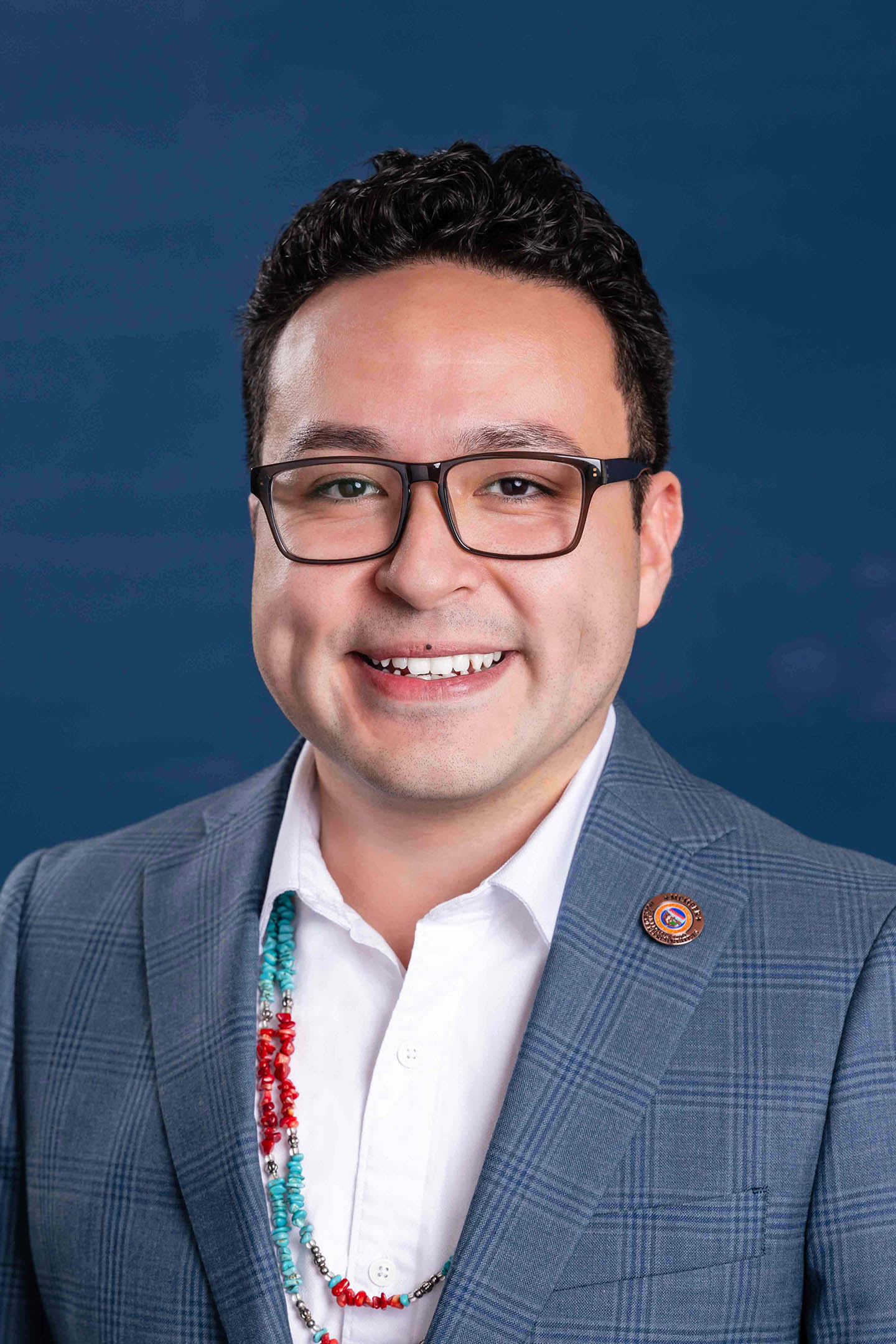
Rep. Brian Garcia
Sponsored bills
Maddy summaryHR 2005 is a symbolic resolution passed by the Arizona House of Representatives declaring gun violence a public health crisis within the state. It directly affects Arizona by formally recognizing the severity of gun-related deaths and injuries using state-specific data, including 1,265 firearm deaths in Arizona in 2020 and firearm deaths surpassing other causes as the top killer of teens aged 15-17 in 2022. The bill contains no new policies, funding, or regulatory changes - it solely makes a formal declaration based on cited statistics about gun violence impacts. This resolution does not alter laws or create new programs but aims to shift public health framing for future action.
Maddy summaryThis bill proposes amending Arizona's state constitution to explicitly protect marriage equality. It would repeal the current constitutional provision defining marriage as between one man and one woman and replace it with a new section stating that marriage cannot be denied based on sex, race, ethnicity, or national origin. If approved by Arizona voters in the next general election, this change would make same-sex marriage a constitutional right in Arizona, directly affecting all couples seeking marriage licenses. The proposal requires voter approval and does not take effect immediately.
Maddy summaryArizona's HB 4132 expands the state's Empowerment Scholarship Account (ESA) program to allow more students to access education funds. It adds income requirements ($200,000 annual threshold, adjusted for inflation after 2027) for families seeking eligibility, while also allowing students who previously attended public school to transfer to an ESA. Funds can cover tuition at participating schools, textbooks, educational therapies, tutoring (capped at $2,000 yearly), and approved online programs. The bill explicitly restricts using ESA funds for school tuition organizations concurrently and requires parents to sign agreements detailing how funds must be spent.
Maddy summaryHB 4078 requires Arizona charter schools to publicly disclose employment contracts for their highest-ranking administrators and chief financial officers (CFOs). Schools must submit these contracts to the state board within 30 days of signing or amending them, and post them on both the school’s website and the state board’s searchable online database. The database must include specific compensation details like base salary, performance pay, retirement contributions, health insurance costs, stipends, and paid leave. This applies directly to charter school governing bodies and affects transparency for top staff contracts across Arizona’s charter school system.
Maddy summaryThis is a commemorative resolution (HCR 2063), not a substantive bill. It honors Yvonne Glee Lime Fedderson, founder of Childhelp and a global humanitarian dedicated to child welfare, following her death on January 23, 2026. The resolution expresses the Arizona Legislature's sympathy to her family and admirers, and directs the Secretary of State to send copies of the resolution to her family and Childhelp. It has no policy provisions or impact on legislation.
Maddy summaryThis bill proposes amending Arizona's constitution to establish separate permanent funds for money derived from specific land grants, ensuring these funds are managed independently and invested according to strict rules. It mandates that funds be invested in safe securities (with limits on stock holdings), sets annual distribution rates (2.5% or 6.9% based on fiscal years), and requires any excess funds above 2.5% to support basic state aid for education. If fund values decline significantly, the legislature can temporarily reduce distributions to protect the principal, with reductions not affecting future calculations. The bill directly affects Arizona's state budgeting for education and land-related revenue, ensuring long-term fund stability while directing surplus funds to public education funding.
Maddy summaryHCR 2042 proposes to repeal a constitutional provision (Article IX, Section 21) that set annual spending limits for Arizona school districts and community college districts. This repeal would remove the requirement for these districts to adjust their budgets based on student population changes and cost-of-living factors. The bill directly affects all public school districts and community colleges in Arizona by eliminating these specific expenditure constraints. It does not create new rules but removes an existing constitutional requirement governing district budgeting.
Maddy summarySB 1488 establishes a committee to study the economic and social impacts on communities dependent on the coal industry, particularly those facing job losses due to coal plant closures. The committee includes bipartisan legislators from rural or tribal areas, nonprofit representatives focused on food security and water protection, Navajo Nation officials, and a Coconino County supervisor. It also appropriates $600,000 for the Office of Economic Opportunity to conduct a workforce development study specifically in Coconino County, where the Navajo Generating Station closed. The committee must submit findings and recommendations to state leaders by December 31, 2026, with the study committee dissolving after September 30, 2027.
Maddy summaryArizona's HB 2977 prohibits law enforcement officers from wearing face coverings that conceal their face while on duty. It requires all law enforcement agencies (including police departments, sheriff's offices, and state agencies) to create and publicly post policies emphasizing transparency, with exceptions for medical masks, safety gear like helmets during tactical operations, or authorized undercover work. The law defines "facial covering" broadly but excludes items like clear masks, medical masks, or safety equipment necessary for health or physical safety. It applies to all sworn officers across Arizona's public law enforcement entities.