

Maddy summaryHB 4127 amends Arizona Revised Statutes §12-284 to update court filing fees for various case types. It establishes specific fee categories, such as $188 for initial civil case filings and $149 for domestic relations cases (including divorce or custody matters). The bill directly affects anyone filing court documents in Arizona, including individuals in civil disputes, family law cases, and probate matters. Note: The bill's title references firearm transfers and domestic violence, but the provided text only addresses court fee changes - not the subjects mentioned in the title.
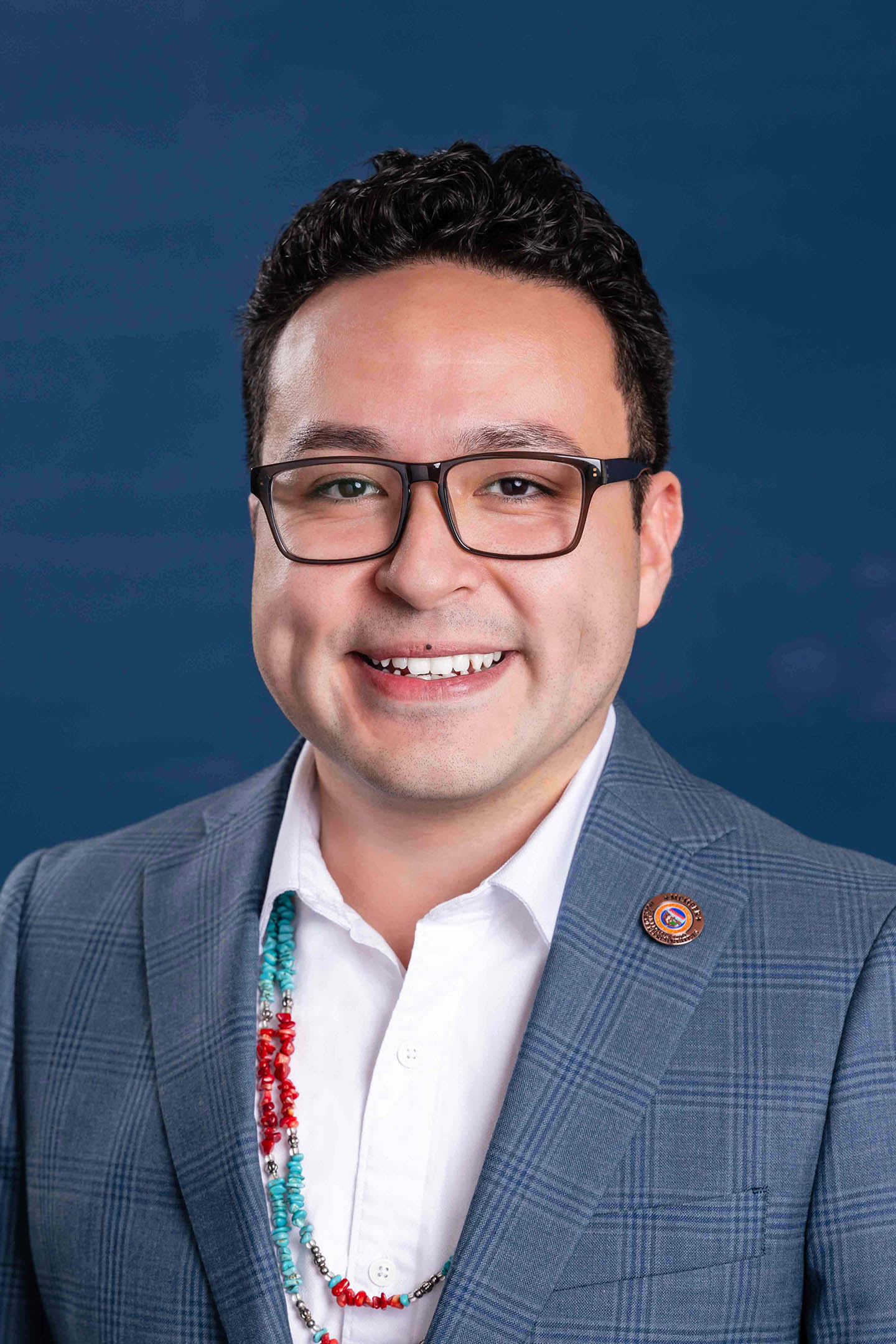
Rep. Brian Garcia
Sponsored bills
Maddy summaryHB 4084 expands Arizona's state indigent defense fund to include legal representation for low-income residents facing eviction cases, in addition to existing criminal cases. The bill modifies funding rules to require that state monies distributed through the fund must supplement, not replace, existing county funding for legal defense in both criminal and eviction matters. It ensures the fund's resources remain available year-to-year without needing annual legislative approval for general fund allocations. This change directly affects tenants in eviction proceedings who qualify for free legal aid through county public defender or contracted legal services. The bill does not alter eviction laws or tenant protections, only the funding mechanism for legal defense in those cases.
Maddy summaryHB 4071 prohibits courts from granting spousal maintenance to a spouse who has been convicted of domestic violence against the "injured spouse" (the victim of the violence). It explicitly states that maintenance orders cannot be awarded when one spouse has a domestic violence conviction against the other, as defined in Arizona law. The bill amends spousal maintenance guidelines to clarify this restriction, ensuring courts cannot order financial support in cases involving domestic violence convictions. This directly affects individuals involved in divorce or legal separation proceedings where domestic violence convictions are present.
Maddy summaryHCM 2014 is a memorial resolution from Arizona's legislature requesting Congress maintain existing national monuments in Arizona. It highlights 19 monuments (including Grand Canyon-Parashant, Chiricahua, and Ironwood Forest) and emphasizes their role in supporting local economies through tourism, recreation, and multi-use management like hunting and grazing. The resolution cites economic data showing these lands drive billions in annual outdoor recreation spending and job creation while preserving cultural sites and water resources. It does not propose new legislation but asks Congress to continue protecting these designated areas.
Maddy summaryHB 4123 establishes Arizona's "Homeless Persons' Bill of Rights," guaranteeing homeless individuals equal access to public spaces, services, employment, medical care, voting, and privacy protections without discrimination based on housing status. It explicitly prohibits charging homeless people with public sleeping or sitting offenses when no shelter space is available, amending criminal law to remove such liability under those conditions. The bill directly affects homeless residents in Arizona by legally protecting their right to use public areas, receive services, and maintain privacy through confidentiality safeguards. Key provisions include banning discrimination in voting documentation, requiring shelter confidentiality, and ensuring reasonable privacy for personal property.
Maddy summaryHB 4119 designates April 30 as "Arizona Jazz Day" to recognize jazz music's cultural significance in Arizona and American heritage. The bill encourages residents to promote music education, celebrate jazz's role in creativity and unity, and participate in statewide jazz events and festivals. It explicitly states Arizona Jazz Day is not a legal holiday, making it a symbolic observance with no legal or financial requirements. This ceremonial bill does not impose new regulations or affect specific groups, focusing solely on cultural recognition.
Maddy summaryHB 4126 establishes Arizona's state-run retirement savings program, targeting private-sector employees without access to employer-sponsored retirement plans (excluding government workers, railroad employees, and those in existing tax-qualified plans). The bill creates an Arizona Retirement Savings Board to manage the program, allowing workers to contribute to individual retirement accounts (IRAs) through automatic payroll deductions. Key provisions include requiring the Board to develop investment policies, partner with private administrators, and ensure federal tax compliance for the program. The title references "appropriation" as future funding would be authorized separately, but the bill itself only sets up the program framework.
Maddy summaryHB 4095 establishes the Classroom Site Fund to provide additional resources for Arizona public schools, using existing state transfers (not an additional tax). It requires school districts and charter schools to use these funds for specific purposes like class size reduction, teacher compensation (with a performance component), and student support services. School districts must adopt a performance-based teacher compensation system that includes metrics such as academic progress, attendance, and graduation rates, and obtain approval from at least 70% of eligible teachers. Annual reporting on fund usage and program outcomes is also mandated for all recipients.
Maddy summaryHB 4072 requires tattoo artists and body piercing professionals in Arizona to register with the state board. The bill defines "tattoo artist" as someone who practices tattooing (placing ink under the skin) and "piercing professional" as someone who practices body piercing (making permanent skin holes). It establishes fees for registration, including a $100 initial application fee and a $100 renewal fee every two years. This requirement applies to anyone providing these services for compensation in Arizona.
Maddy summaryHB 4065 formally ends the Arizona Department of Economic Security (DES) on July 1, 2034, despite its title suggesting continuation. The bill repeals existing DES-related statutes and sets a specific termination date, while making these changes retroactive from July 1, 2026. It directly affects DES operations, requiring the department to cease providing social services, welfare programs, vocational rehabilitation, and developmental disability services by 2034. The legislation does not create new programs but outlines a structured phaseout of the department’s current functions.