

Maddy summaryHB 2377 sets new rules for employment contracts and evaluations of school leaders in Arizona. It limits superintendent and principal contracts to three years (with a 15-month notice period before renewal) and requires school districts to offer equal non-salary benefits to all staff, not just leadership. The bill also mandates annual performance evaluations for principals and school psychologists, including improvement plans and appeal processes. School districts must formally offer new contracts by May 15 (or June 15 if an override election occurs) and provide performance records to other districts for hiring. These changes directly affect superintendents, principals, and school psychologists in Arizona public and charter schools.
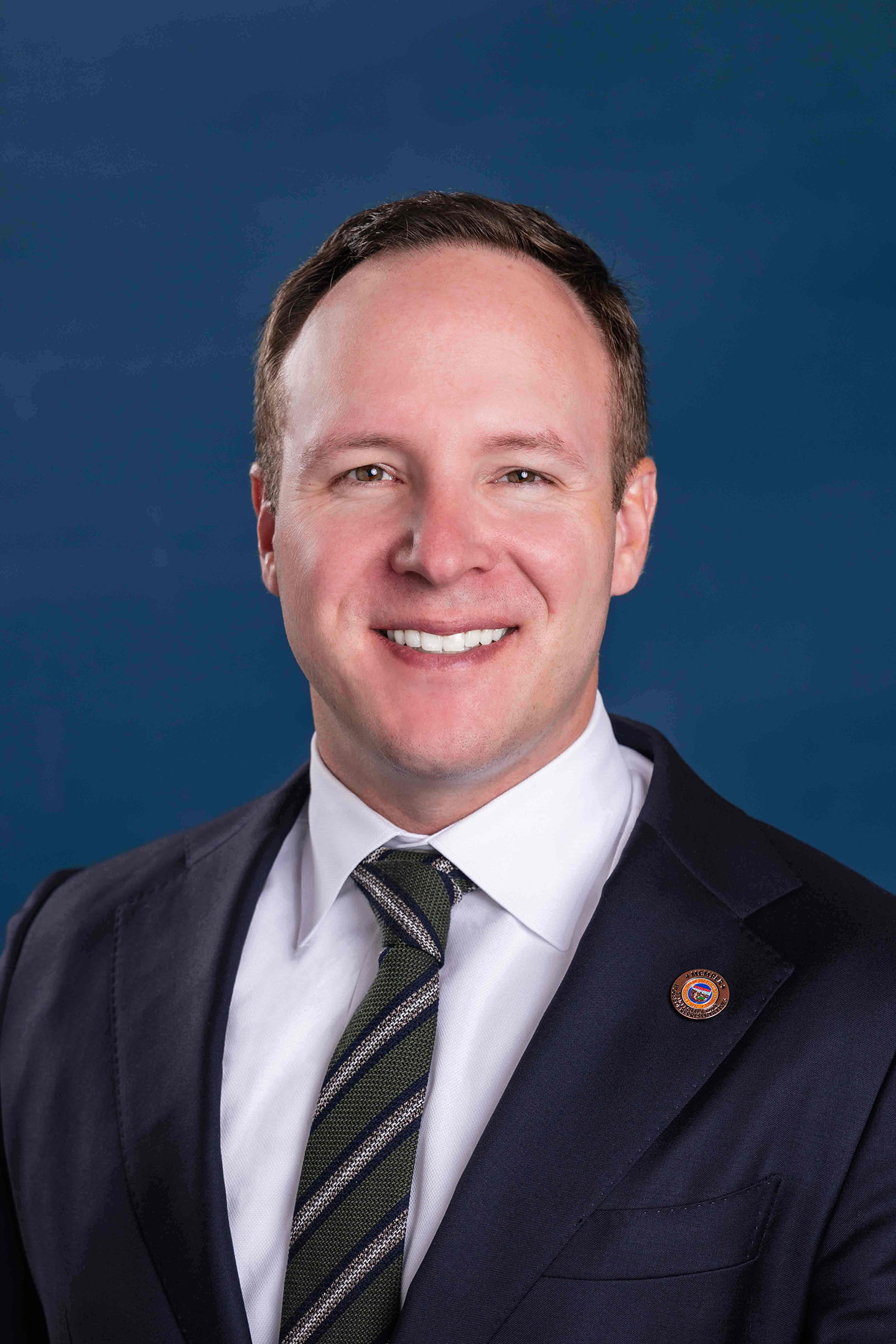
Rep. Matt Gress
Sponsored bills
Maddy summaryHB 2586 appropriates $1 million annually from 2026-2029 from the special services fund to Arizona's Department of Corrections for holistic studio-based rehabilitative programming. This funding directly supports incarcerated individuals through structured, creative interventions aimed at reducing self-harm, disciplinary incidents, and repeat offenses. The bill requires the Department to submit a detailed report by June 2030, documenting program outcomes including data on reduced self-harm, disciplinary actions, and recidivism rates. It does not change existing laws but allocates specific funds for evidence-based rehabilitation programs with measurable reporting requirements.
Maddy summaryHB 2316 allows Arizona middle schools (grades 6-8) to offer career technical education (CTE) courses that count toward both 8th-grade promotion and high school graduation. Schools must partner with approved CTE providers like community colleges or state-approved programs, and students must pass courses to earn credit. The bill requires schools to report course offerings and completions annually, with a final report due by 2029, and expires in 2037. It permits CTE districts to fund middle school CTE courses without raising property taxes but prohibits counting middle school students in district enrollment totals.
Maddy summaryHB 2387 prohibits school district officials in districts with over 500 students from holding secondary outside jobs that pay compensation. It specifically targets officials with budget control, procurement authority, or operational leadership roles (including superintendents and CFOs), excluding only district duties or passive investments. The bill allows parents of enrolled students, residents, or others harmed by violations to sue school districts for enforcement. This directly affects top administrators in larger Arizona school districts by restricting their ability to work outside their primary school roles.
Maddy summaryThis bill updates the Arizona Revised Statutes to clarify definitions for the Board of Behavioral Health Examiners, specifically establishing accreditation requirements for degrees conferred by recognized agencies. It directly affects licensed behavioral health professionals, including marriage and family therapists, professional counselors, social workers, and addiction counselors, by standardizing what constitutes accredited education and practice standards. The legislation formally defines key terms such as direct client contact, indirect client service, and unprofessional conduct to provide clearer guidance for licensing and disciplinary actions. These changes aim to improve consistency in how the board evaluates professional qualifications and handles potential violations without altering existing regulatory authority.
Maddy summaryHB 2484 creates a new law enforcement charity license plate program in Arizona. Residents who pay a one-time $32,000 fee to the state can design custom plates (subject to department approval), with annual $25 plate fees where $17 directly funds a dedicated charity fund. The program allows combining these plates with personalized requests and requires the department to deposit the $17 donation into the law enforcement charity fund. This directly affects plate buyers and channels funds to law enforcement charities through the new funding mechanism.
Maddy summaryHB 2480 requires Arizona school districts and charter schools to meet annual reading proficiency targets for third graders on statewide assessments (50% by 2027-28, 60% by 2028-29, 75% by 2029-30), withholding 10% of monthly state funding if targets are missed. Schools can submit approved remediation plans to regain withheld funds for reading instruction. The bill also mandates that third graders scoring in the two lowest reading levels cannot advance unless exceptions apply, such as for English learners, students with disabilities, or those demonstrating progress through approved assessments. Parents and teachers can request promotion with school board approval, and schools must provide evidence-based reading interventions for students not promoted.
Maddy summaryHB 2209 prohibits health profession regulatory boards from taking retaliatory actions against health professionals who report misconduct. It protects health professionals, applicants, residents, fellows, and trainees who make "protected disclosures" about violations of law, patient safety risks, misuse of authority, or other misconduct. Key mechanisms include requiring boards to prove non-retaliatory motives if a complaint is filed, allowing civil lawsuits for remedies like reinstated licenses, damages up to $25,000 per violation, and confidential investigations by attorneys general or county attorneys. The law defines retaliatory actions broadly to include license denials, expanded investigations, or public harassment.
Maddy summaryHB 2208 requires the Arizona Attorney General to investigate alleged violations of state law, rules, or the Constitution by health profession regulatory boards (like those overseeing doctors or nurses) when requested by one or more legislators. If the Attorney General cannot investigate due to a conflict of interest, the complaint must be randomly referred to a county attorney for review. The investigator must submit a written report within 30 days to key state officials, including the governor, legislative leaders, and the Joint Legislative Budget Committee (JLBC). The JLBC then has 90 days to review the findings and recommend any necessary budget changes to the legislature. This bill establishes a formal process for legislative oversight of health board conduct.
Maddy summarySB 1119 exempts first responders from paying admission fees at all Arizona state parks. This includes active and retired law enforcement officers, firefighters, paramedics, and tribal first responders. The exemption covers the first responder and up to three additional people (or all passengers in the same vehicle), requiring them to present valid ID to claim the free entry. The bill amends existing law to clarify this fee exemption policy.