

Maddy summaryThis is a symbolic resolution (not a law) passed by Arizona lawmakers expressing support for the Palo Verde Generating Station nuclear power plant and nuclear energy. It highlights Palo Verde's role as Arizona's largest clean energy source, economic contributor ($2.3 billion impact), and employer (3,000+ jobs), while noting public support for nuclear power. The resolution has no legal effect but formally endorses continued nuclear energy use and directs the Secretary of State to send copies to federal officials. It does not create new policies, funding, or regulations.
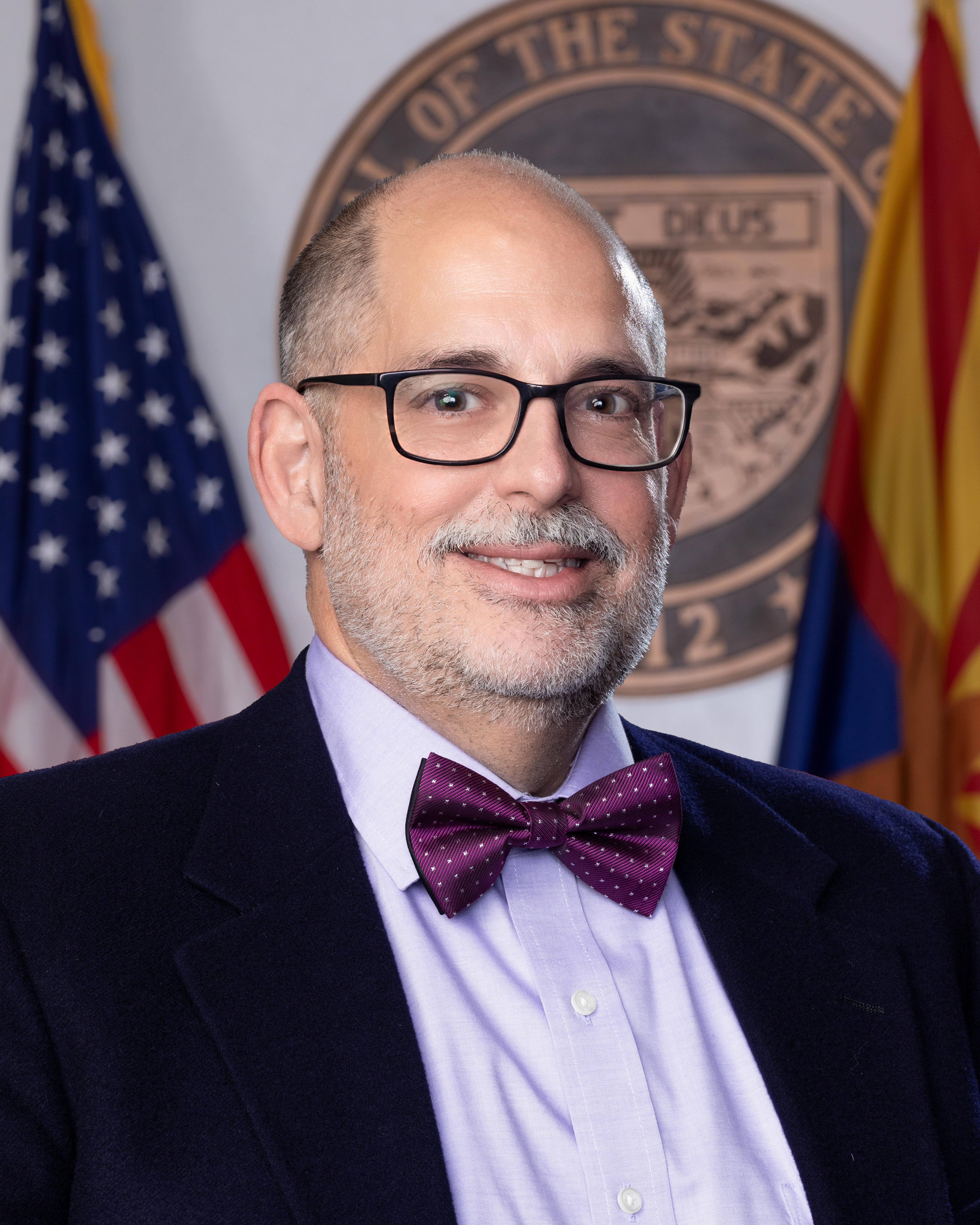
Rep. David Livingston
Sponsored bills
Maddy summaryHB 2268 creates a grant program funded by a $2 annual fee on each homeowner's insurance policy in Arizona. The Department of Insurance collects this fee from insurers (paid twice yearly) and uses the funds to award grants to rural fire districts located in wildfire-prone areas. These grants must be used exclusively for purchasing firefighting equipment (like engines and radios), building or renovating fire stations, or other public safety emergency response needs. The bill defines "rural fire districts" as non-municipal entities funded by local property taxes and independent of city governments.
Maddy summaryHB 2855 declares that drug cartels operating in Arizona are terrorist organizations under state law. It defines "drug cartel" to include groups involved in human smuggling, drug trafficking, or terrorism, and requires the Arizona Department of Homeland Security to address the threat they pose. The bill explicitly states this definition does not affect individuals' claims for asylum under federal law. This legislation aims to empower state agencies to combat border-related criminal activity, based on voter-approved findings about public safety concerns linked to transnational cartels.
Maddy summaryHB 2430 requires Arizona's Department of Corrections to study converting the Marana prison site into a transitional facility for inmates scheduled for release within 60 days. The study must assess feasibility, evaluate programs for transitional skills, and analyze existing and needed state resources. The department must submit findings and recommendations to state leaders by June 1, 2026, with the requirement expiring after June 30, 2026. This bill failed in the legislature on March 27, 2025, and did not advance to become law.
Maddy summarySB 1130 appropriates $1,000,000 from Arizona's state general fund for fiscal year 2025-2026 to the Department of Economic Security. This funding directly supports the "older individuals who are blind program," which provides assistance to older Arizonans who are blind. The bill creates a dedicated funding source for this specific state program without altering eligibility or service requirements. It passed the legislature on February 27, 2025, and is now moving through the House.
Maddy summarySB 1145, titled "community facilities districts; prompt pay," requires Arizona community facilities districts to pay contractors in full for infrastructure projects before the infrastructure can be used. The bill prohibits using bond proceeds or reimbursements to repay landowners or others if contractors remain unpaid and mandates that districts cannot dissolve until all contractor claims are settled. This directly affects contractors working on district infrastructure, the districts themselves, and municipalities that may use the infrastructure. The law aims to prevent payment delays by tying infrastructure access and district dissolution to full contractor payment.
Maddy summaryHB 2191 allows religious institutions in Arizona to develop residential housing on their owned land without local zoning restrictions, provided they meet specific requirements. It requires developments to be at least 75 feet from neighboring properties, include parking, comply with utility access rules, and avoid areas near industrial zones or airports. Crucially, it mandates that 40% of units in such developments must be low-income housing for 55 years, and religious institutions must notify counties if the property loses tax-exempt status. The bill applies directly to religious organizations owning land for three+ years, overriding municipal zoning for qualifying projects.
Maddy summaryHB 2725 requires Arizona public schools to display U.S. flags (made in the U.S.) and provide Constitution/Bill of Rights copies (also U.S.-made) in classrooms for grades 7-12, and to set aside time daily for students to recite the Pledge of Allegiance. Schools must notify parents if a student skips the Pledge during this designated time. The bill also mandates a 1-2 minute daily moment of silence at the start of each school day for all grades (K-12), with teachers encouraged to discuss its use with parents but not suggesting specific reflections. Private schools, parochial schools, and homeschools are exempt from these requirements.
Maddy summaryHCR 2042 proposes amending Arizona's constitution to prohibit state governments from granting preferential treatment or discrimination based on race, sex, color, ethnicity, or national origin in public employment, education, or contracting. It specifically bans requiring individuals to endorse race-based policies, discuss personal race/ethnicity, or participate in training promoting "diversity, equity and inclusion" beyond equal protection under federal law. The amendment would restrict public funding for offices promoting race-based policies and prohibit differential treatment in hiring, admissions, or contracting decisions. If approved by voters, it would take effect on December 14, 2010, applying only to state actions after that date.
Maddy summaryHB 2601 exempts minors under 18 years old from Arizona income tax on their first $50,000 of Arizona gross income for any tax year. This directly affects young workers earning up to $50,000 annually in Arizona, regardless of income source (e.g., wages, self-employment). The bill adds this exemption to existing tax code sections (43-403 and 43-1043), requiring the tax department to verify eligibility. The policy change applies to tax years beginning after December 31, 2025.