

Maddy summaryHB 2076 establishes new rules for how Arizona life insurance companies present policy illustrations to customers. It requires insurers to use a "disciplined current scale" based on actual historical data (not optimistic projections) when showing projected policy benefits, and mandates that illustrations must be "self-supporting" to demonstrate long-term viability. This applies to most individual and group life insurance policies (excluding variable life, annuities, credit life, and low-benefit policies), directly affecting insurers and policyholders who receive these illustrations. The law also requires insurers to formally identify which policies will include illustrations and prohibits using illustrations for policies marketed without them before the first anniversary.
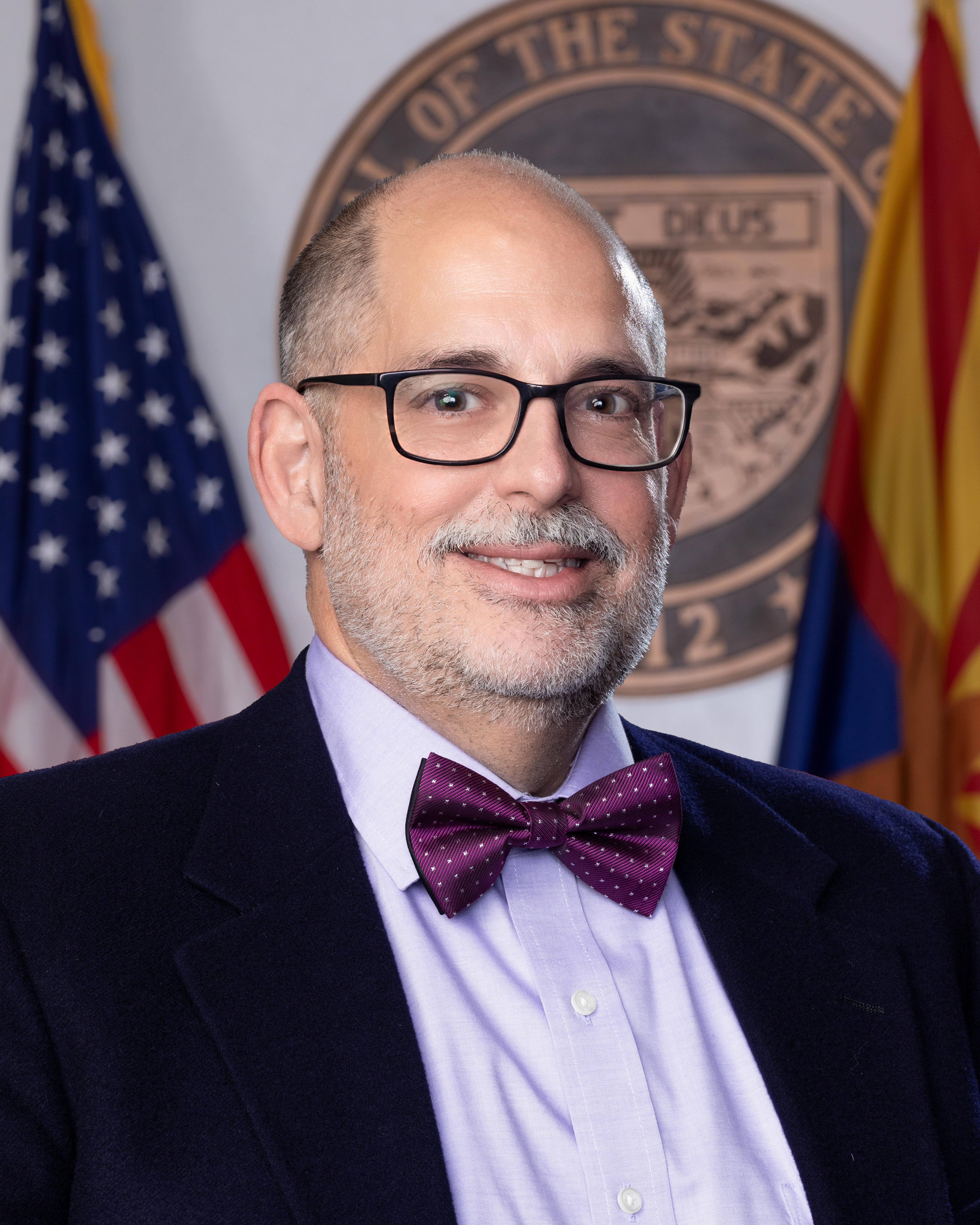
Rep. David Livingston
Sponsored bills
Maddy summaryHB 2449 updates Arizona’s Medicaid program (AHCCCS) eligibility verification rules and restricts temporary coverage. It requires monthly checks of lottery/gambling winnings ($3,000+), death records, and residency changes via out-of-state card transactions, and quarterly reviews of employment, income, and tax data to verify eligibility. The bill bans self-attested eligibility without verification, prevents accepting federal exchange eligibility determinations without independent checks, and limits temporary coverage (presumptive eligibility) to children and pregnant women only. Hospitals making temporary eligibility decisions must notify AHCCCS within 5 days, help applicants complete full applications, and provide clear end-date notices to beneficiaries. These changes directly affect AHCCCS enrollees and hospitals participating in the program.
Maddy summaryHB 2945 modifies Arizona's Medicaid waiver processes for developmental disabilities services. It requires implementing a 40-hour weekly care limit per child under the "Parents as Paid Caregivers" program starting June 30, 2025, as approved by federal authorities. The bill also mandates submitting a waiver request by October 1, 2025, to reduce this limit to 20 hours per week, clarifying that this change does not restrict total available care hours. The legislation directly affects families using this program for developmental disabilities support and aligns Arizona's Medicaid waiver procedures with federal requirements.
Maddy summaryHB 2033 requires Arizona municipalities to adopt online instant permitting systems for solar energy installations by January 1, 2027. It sets specific standards for solar photovoltaic and water heating system plans, including requirements for electrical diagrams and mounting details, while limiting municipalities' ability to demand engineering stamps. The bill also mandates that municipalities offer remote field reports for home power inspections at costs no higher than in-person inspections, with a deadline of July 1, 2027. It includes provisions to suspend contractors or engineers who repeatedly submit false information in applications or remote reports, requiring a clear appeal process for those affected. This bill directly impacts homeowners installing solar systems, solar contractors, and local government permitting offices.
Maddy summarySB 1282 creates a new offense called "aggravated unlawful flight" for drivers who recklessly endanger others while fleeing police. It classifies this as a class 4 felony generally, but elevates it to a class 2 felony if the driver causes serious injury, transports a minor under 15, or was already violating specific traffic laws (like driving under suspension). Convicted individuals in the class 2 felony scenario must serve at least four months in prison before becoming eligible for probation or early release. The bill directly affects drivers who flee law enforcement in a reckless manner, with stricter penalties for certain aggravating circumstances.
Maddy summaryHB 2814 establishes rules for Arizona state agencies handling certain federal funds called "noncustodial federal monies," which include block grants and other funds where Arizona has broad spending flexibility (like health or housing programs). The bill requires agencies to track these funds in separate accounts and mandates that the legislature must specify how the funds can be used when appropriating them. If actual funds received differ from the appropriation amount, the budget must adjust proportionally - reducing spending if funds are less, or crediting excess to the agency if funds exceed the appropriation. This bill directly affects state agencies managing federal programs, ensuring clearer accountability without changing how funds are spent.
Maddy summaryHB 2169 clarifies school board meeting locations and financial procedures in Arizona. It allows school boards to meet at public facilities outside their district if convenient, requires monthly meetings during the school year, and specifies that leftover grant funds can reduce local school taxes. These changes directly affect school district boards, administrators, and county treasurers managing district finances. The bill passed the legislature in April 2025 but was vetoed by the governor on April 18.
Maddy summaryHB 2607 increases sentencing for fentanyl offenses involving large quantities (200+ grams) in motor vehicles or for sale. It mandates a minimum 5-year prison sentence (up to 15 years) for possessing fentanyl in a vehicle or selling it in such amounts, with harsher penalties (10-20 years) for repeat offenses. The bill also requires a $2,000+ fine, prohibits probation for these offenses, and mandates 360 hours of community service with drug rehabilitation or victim services. This law directly affects individuals convicted of qualifying fentanyl-related crimes in Arizona.
Maddy summaryHCM 2011 is a memorial from Arizona's legislature urging federal agencies to change housing policies. It requests HUD to repeal specific federal rules that Arizona argues create excessive administrative burdens (like complex data reporting) and limit local flexibility in addressing homelessness. The memorial asks for streamlined requirements, elimination of one-size-fits-all performance standards, and a shift from direct federal funding to block grants for states. This would allow Arizona local agencies to better tailor housing solutions to community needs and directly affect homeless individuals and housing service providers in Arizona.
Maddy summaryHB 2013 establishes a group cancer insurance program for Arizona firefighters and peace officers, funded through employer contributions. It creates a dedicated account managed by a board to cover cancer treatment costs, with employer payments treated as taxable wages for participants. The program includes tax exemptions for the account's funds at state/local levels and aims to exclude both program income and coverage from federal income tax under specific IRS codes. Employers must contribute to the account, which may use up to 10% of annual funds for administrative costs (excluding claim processing). This policy directly affects public safety workers, their employers, and the program's governing board.