

Maddy summaryArizona's SB 1342 prohibits municipal law enforcement agencies and health care facilities from stopping, detaining, or questioning people based on immigration status, sharing databases with federal immigration authorities, or using local resources to assist federal immigration enforcement. It requires agencies to collect immigration-related information only when strictly necessary for public services and prohibits disclosing such records without specific written consent from the individual. Agencies must also submit annual reports tracking federal immigration requests (like detainers) and their responses. The law does not block compliance with valid federal warrants or actions required by federal law.
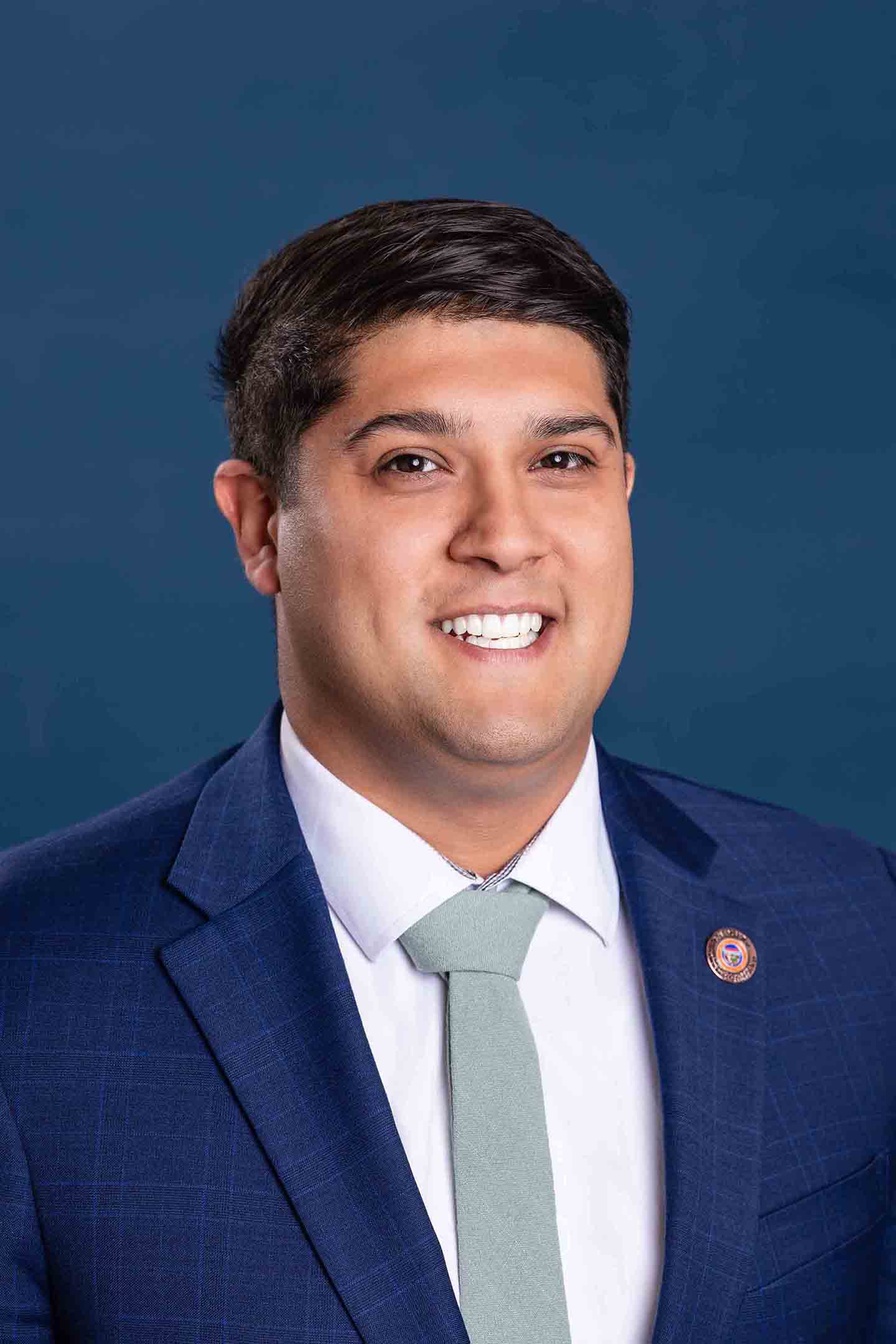
Rep. Cesar Aguilar
Sponsored bills
Maddy summaryHB 2472 restricts the sale and use of neonicotinoid pesticides (a class of chemicals including imidacloprid and thiamethoxam) in Arizona. It requires sellers to hold a restricted-use pesticide license and limits use to certified applicators, veterinarians, or wood preservers, with key exceptions for pet care products, personal care items, indoor pest control, and wood preservatives. Violations are classified as class 3 misdemeanors. The law takes effect on December 31, 2026.
Maddy summarySCR 1015 proposes a constitutional amendment in Arizona to protect civilian police review boards in charter cities. It prohibits cities from banning such boards or requiring board members to complete police academy training. The amendment would prevent charter cities from restricting the formation of civilian review boards that examine law enforcement conduct, and also stop cities from mandating specific training for board members. This change would require voter approval at the next general election. If adopted, it would ensure cities cannot block or overcomplicate these oversight bodies.
Maddy summaryHCR 2019 is a proposed constitutional referendum (not yet law) requiring background checks for most private firearm transfers in Arizona. It mandates that non-dealer sellers must use a licensed dealer to process sales, including conducting background checks under federal and state law, with a $20 fee cap for the dealer. Key exceptions include transfers between immediate family members, antique firearms, law enforcement activities, gunsmith repairs, and temporary transfers to prevent imminent harm. If passed by voters, violating this requirement would be a class 5 felony. The measure is currently pending voter approval after initial legislative readings.
Maddy summaryThis proposed constitutional amendment would establish annual spending limits for Arizona school districts based on adjusted 1979-1980 spending levels, adjusted for student population growth and inflation. The limit is calculated as 1.10 times the adjusted baseline amount, prohibiting districts from exceeding this cap using local revenues (excluding specific exempted funds like federal grants, bond proceeds, and self-supporting school services). Districts could exceed the limit only if the legislature passes a two-thirds vote concurrent resolution. The measure directly affects all public school districts and community college districts in Arizona by constraining their local budget flexibility.
Maddy summaryHB 2630 allows eligible individuals - including election officers, law enforcement personnel, public officials, and those under protection orders - to request hiding their personal details (like home addresses and full names) from public property records maintained by county recorders. To qualify, they must file an affidavit with a judge explaining safety risks, and if approved, the county recorder will restrict public access to their identifying information for five years. This applies to documents such as property deeds and recorded instruments, aiming to protect individuals facing safety threats by limiting how easily their personal data can be found online. The bill does not create new records but modifies access to existing county property records.
Maddy summaryHB 2821, titled the "Pregnant Workers Protection Act," requires Arizona employers with 15 or more employees to provide reasonable accommodations for pregnant workers without imposing undue hardship. It mandates specific accommodations like modified equipment, more frequent breaks, schedule changes, assistance with manual labor, private breastfeeding areas, and flexibility for prenatal appointments. Employers cannot force pregnant employees to use vacation or sick leave when accommodations are possible and must post notices about the policy in employee handbooks and provide written notice to new hires, current employees, and pregnant employees within 10 days of pregnancy disclosure. The bill directly affects pregnant employees and their employers in qualifying businesses.
Maddy summaryHB 2823 prohibits Arizona's Department of Corrections from renewing or creating new contracts with private prison operators that include a "minimum occupancy clause." This means the state cannot require private prisons to maintain a specific occupancy rate, and will only pay for the actual number of inmates physically housed at the facility. The bill directly affects the state department and private prison operators by changing how contracts are structured and paid. It applies to all new contracts or renewals after the bill's effective date.
Maddy summaryHB 2583 primarily updates fingerprinting requirements for education professionals in Arizona. It mandates that teachers, student teachers, charter school staff, and tutoring contractors submit identity-verified fingerprints through the Department of Public Safety for background checks. Key provisions include standardizing the fingerprint submission process, allowing school districts to contract with third parties for fingerprinting services, and creating a digital archive to avoid duplicate submissions for renewals. The bill also includes a separate section (Section 2) about Arizona empowerment scholarship accounts, which is unrelated to the fingerprinting requirements.
Maddy summaryHB 2393 prohibits selling or giving tobacco products, alternative nicotine products (like e-cigarettes), vapor products, or related paraphernalia (e.g., hookahs) to anyone under 21 in Arizona. Minors who buy, possess, or falsely claim age to obtain these items face petty offenses with fines starting at $100 or 30 hours of community service. Businesses violating the law face escalating penalties: first violations incur $500-$750 fines plus mandatory education, while repeat offenses can lead to misdemeanor charges, $10,000 fines, or even felony convictions with sales bans. The law exempts religious use of shisha and gifts not intended for minor use.