

Maddy summaryHB 2290 establishes a licensing requirement for student loan servicers operating in Arizona, directly affecting entities that manage student loans for borrowers. It mandates that most servicers obtain a state license (with exceptions for banks/credit unions), requiring application fees, financial disclosures, and criminal background checks. The bill also creates a state student loan ombudsman to handle borrower complaints, analyze issues, and develop an education course on loan terms and repayment options by 2025. Key provisions include license renewal rules, suspension for unpaid fees, and a requirement for servicers to notify the state of operational changes. This policy changes how student loan servicing is regulated within Arizona, focusing on oversight and borrower support.
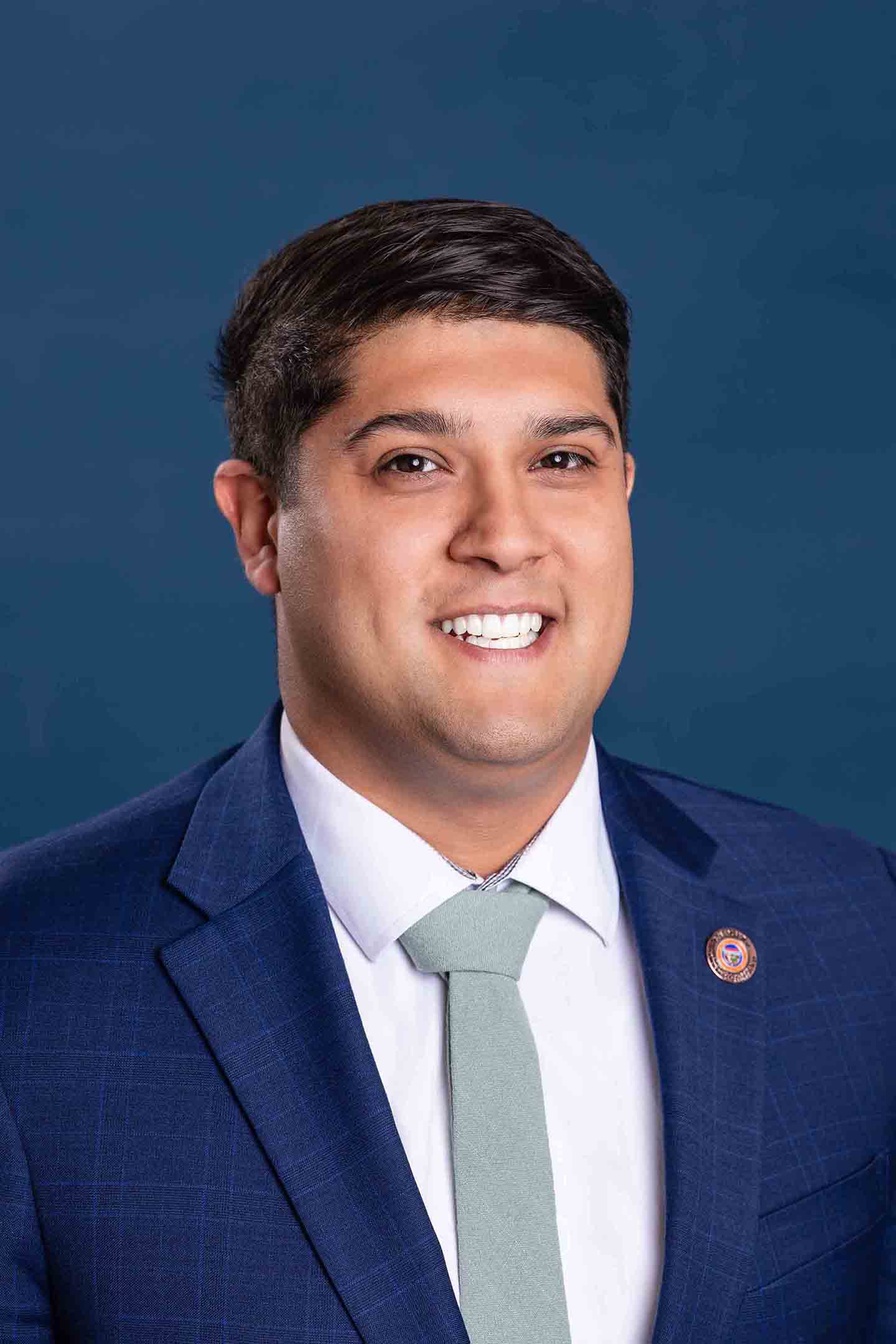
Rep. Cesar Aguilar
Sponsored bills
Maddy summaryHB 2288 restricts tuition and fee increases at Arizona's public universities. It limits annual tuition hikes for in-state undergraduate students to the change in the metropolitan Phoenix consumer price index (CPI), but only if the state appropriates at least 50% of the tuition and mandatory fees. The bill also prohibits tuition increases for in-state undergraduates during their first four years of enrollment. Additionally, it requires public hearings and disclosure of proposed changes before any tuition or fee adjustments take effect. This directly affects the Arizona Board of Regents, public universities, and in-state undergraduate students.
Maddy summaryHB 2357 requires landlords in Arizona to provide tenants with specific written information at the start of a tenancy, including the name and address of property managers, owners authorized to receive legal notices, and the website for Arizona's residential landlord-tenant laws. It also mandates that landlords include the website address for tenant assistance resources (like azcourthelp.org) or local eviction prevention services in all written notices related to lease violations or eviction proceedings. This bill directly affects landlords (who must provide these disclosures) and tenants (who gain clearer access to legal resources and support). The key change is adding mandatory inclusion of tenant assistance information in eviction-related notices, without altering core eviction procedures or tenant obligations.
Maddy summaryHB 2199 requires that advertisements for prescription and nonprescription drugs on TV, radio, or online must clearly present major side effects and usage restrictions ("major statement") at the same volume, clarity, and pace as the rest of the ad. It prohibits using distracting audio or visual elements that could interfere with understanding these critical health details. The bill directly affects drug manufacturers and advertisers operating in Arizona. If passed, it would mandate that health risks are communicated as prominently as promotional content in digital and broadcast ads.
Maddy summaryHB 2502 requires Arizona employers to provide employees with a 30-minute unpaid meal break after five hours of work (and an additional break after twelve hours), plus a paid 10-minute rest break for every four hours worked. It mandates 1.5 times regular pay for hours worked beyond eight in a workday (up to twelve hours) or the first eight hours on a seventh consecutive workday, and double pay for hours beyond twelve in a day or eight on the seventh consecutive workday. The bill applies to employers meeting the federal threshold of $100,000 annual sales or engaging in interstate commerce, ensuring Arizona’s labor standards align with the federal Fair Labor Standards Act. This directly affects most Arizona employers and their hourly workers by modifying break requirements and overtime compensation rates.
Maddy summaryHB 2286, the "Arizona Ban on Scholarship Displacement Act of 2025," prohibits eligible Arizona public universities and community colleges from reducing a student's gift aid (non-loan financial aid) because they receive a private scholarship, except when the gift aid exceeds the student's actual cost of attendance. It directly affects students enrolled in associate or bachelor's degree programs at eligible institutions (like Arizona Board of Regents universities or community colleges) who receive private scholarships from companies, foundations, or nonprofits (excluding university foundations or government aid). The bill requires institutions to consider private scholarship awards separately when determining financial aid, ensuring students retain full scholarship benefits unless the gift aid already covers their full cost of attendance. Key definitions clarify "cost of attendance" (including tuition, books, living expenses) and "gift aid" as non-loan financial support.
Maddy summaryHB 2501 repeals Arizona's right-to-work law (ARS 23-1302), which currently prohibits employers from requiring union membership or dues as a condition of employment. The bill also amends related statutes to remove references to the repealed law, including adjustments to civil liability for employment violations and protections against retaliatory termination. However, the bill will not take effect unless voters approve a constitutional amendment for right-to-work at the next general election. This repeal would directly affect workers, employers, and labor unions by eliminating a key restriction on union security agreements.
Maddy summaryHB 2282 requires Arizona's occupational licensing agencies to create pathways for obtaining licenses through approved apprenticeship programs. It mandates that applicants must complete a U.S. Department of Labor-approved or Arizona Department of Economic Security-approved apprenticeship program - either at a state-licensed school or under an approved trainer holding the same license - and pass any required exam. The bill specifically prohibits licensing exams from favoring applicants from apprenticeship programs over those from vocational schools. This directly affects workers seeking licenses in regulated fields (like construction or healthcare) and the state agencies that issue those licenses.
Maddy summaryHB 2359 prohibits healthcare professionals from providing conversion therapy to minors under 18, defining conversion therapy as any practice seeking to change a minor's sexual orientation or gender identity. The bill exempts clergy acting in a pastoral role and parents who are healthcare professionals acting as parents, not professionals. It also bans state and federal funds from being used for conversion therapy for minors, including through grants, contracts, or health benefits coverage. The law directly affects licensed therapists, state agencies, and entities receiving public funds by restricting both clinical services and financial support for this practice.
Maddy summaryThis Arizona bill requires the state Department of Education to create guidelines and resources for teaching digital citizenship and media literacy by January 15, 2025. It establishes an advisory committee made up of teachers, parents, librarians, and experts to help develop these practices and recommend updates to state academic standards. Starting in the 2025-2026 school year, school districts and charter schools must annually review and update their own policies on internet safety and media literacy by consulting with parents, staff, and students. The legislation defines digital citizenship as responsible behavior online and media literacy as the ability to critically analyze and use various forms of media.