

Maddy summaryHB 2805 creates an Arizona work opportunity tax credit for businesses hiring individuals certified as members of "targeted groups" under federal law (like veterans or long-term unemployed). It allows businesses to claim a credit equal to the federal work opportunity tax credit, up to $1,000 per employee, but capped at Arizona tax liability. The credit requires certification from Arizona's Department of Economic Security, with a $10 million annual limit on total credits and a maximum of 10,000 certifications per year. This directly affects Arizona businesses that hire from federally defined targeted groups, linking state tax benefits to federal hiring incentives.
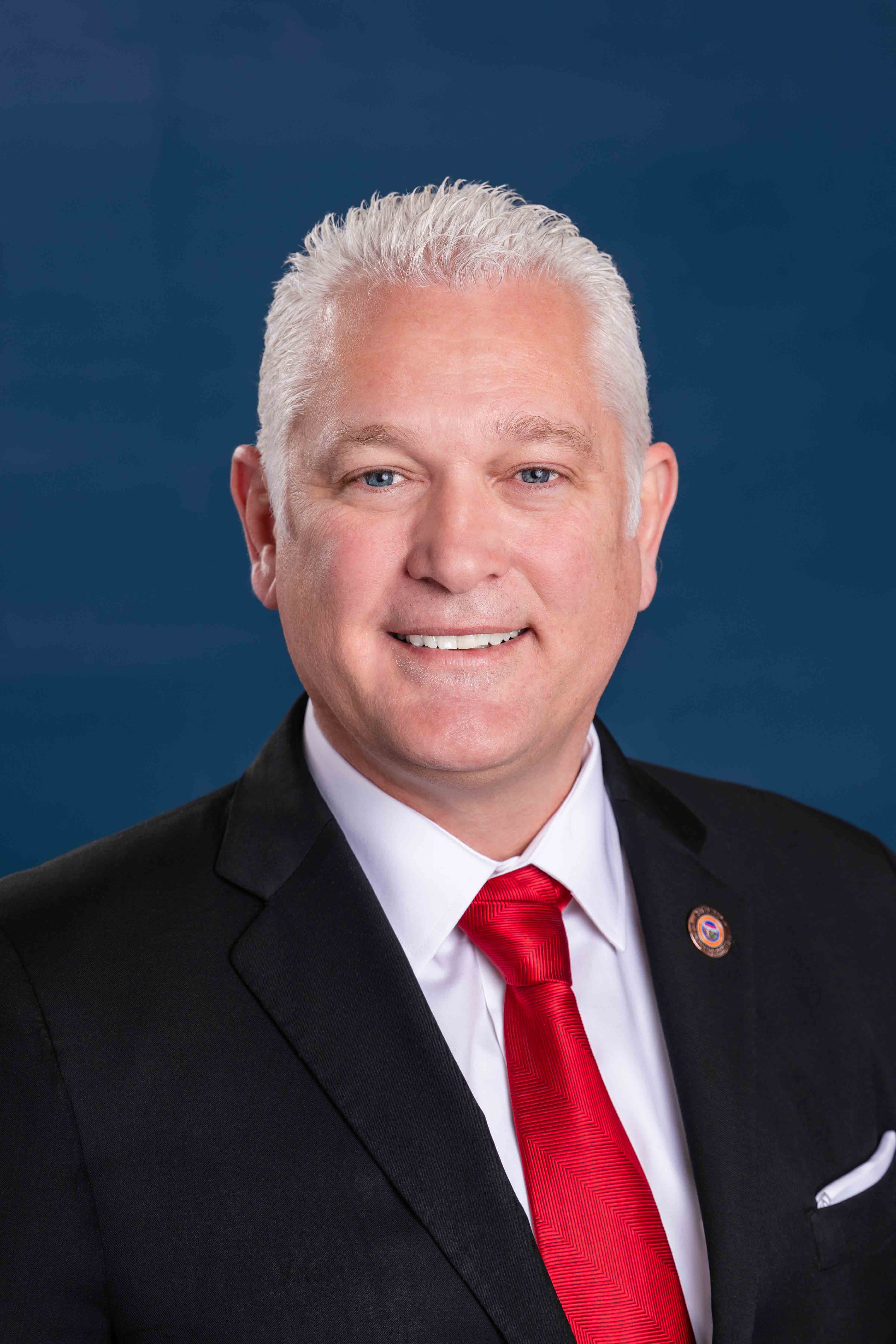
Rep. Michael Carbone
Sponsored bills
Maddy summarySB 1686 clarifies that the county recorder is the "officer in charge of elections" for Arizona counties, directly affecting county election officials. It updates rules for establishing election precinct boundaries and designating polling places, requiring county recorders to set boundaries by October 1 before elections and follow specific guidelines for combining precincts or using voting centers. The bill also mandates that public schools must provide space for polling places unless principals deny requests with written reasons like lack of space or safety concerns. These changes aim to standardize election administration procedures for county recorders managing polling locations.
Maddy summaryHB 2766 requires Arizona cities and towns to apply municipal sales taxes uniformly to all food items (without differential rates), while exempting most food for home consumption, food packaging, and sales paid with SNAP benefits. It specifically excludes candy, confectionaries, soft drinks, and soda from the general food exemption, ensuring these remain taxable. The bill also exempts low-cost food sales to vulnerable groups (elderly, homeless, disabled) when purchased using SNAP benefits through approved programs. This amendment, effective January 1, 2026, modifies existing tax code to standardize food taxation and expand specific exemptions.
Maddy summarySB 1629 allows Arizona prison directors to release inmates with terminal illnesses or conditions requiring end-of-life care to state-contracted nursing care facilities. It applies only to inmates who are so debilitated they pose no danger to themselves or others, excluding those convicted of first-degree murder. The bill requires prison officials to periodically review medical records to confirm ongoing eligibility, and if an inmate no longer meets criteria, they must be returned to custody. This policy change directly affects terminally ill inmates in Arizona prisons who qualify under these specific medical and safety conditions.
Maddy summaryHB 2261 exempts honorably discharged U.S. veterans from the application fee required to register for Arizona's medical marijuana program. Veterans must still meet all other requirements, including physician certification and submitting a standard application. The bill amends existing law to specifically exclude veterans from paying the standard fee for a registry identification card. This change directly affects veterans seeking medical marijuana access under Arizona's program.
Maddy summaryHB 2707 prohibits health professionals and health care institutions in Arizona from denying care or providing substandard care based on a patient's vaccination status. The bill makes it unprofessional conduct for health professionals to discriminate in this way and bans health care institutions from adopting policies allowing such discrimination. It directly affects hospitals, clinics, and medical providers by requiring them to treat all patients equally regardless of vaccination status. The law changes existing professional standards to explicitly forbid this form of discrimination in healthcare settings.
Maddy summaryHR 2003 is a ceremonial resolution honoring Joan Romano for 35 years of service to the Arizona Legislature. It recognizes her career path - from switchboard operator in 1982 to House supply supervisor, managing printing, journals, and equipment - while highlighting her dedication and contributions to legislative operations. The resolution formally expresses the House of Representatives' gratitude for her work and wishes her well in retirement. As a procedural tribute, it does not create new laws or affect any policies.
Maddy summaryHB 2317 prohibits Arizona municipalities from banning approved building materials in single-family home construction or imposing extra restrictions on prefabricated homes compared to traditional homes. It also limits aesthetic regulations to designated historic districts, while allowing existing building, fire, and safety codes to remain in effect. The bill directly affects homeowners, builders, and local governments by preventing new restrictions on material choices and ensuring prefabricated homes face the same requirements as site-built homes. The bill failed during committee review on January 29, 2025.
Maddy summaryThis bill requires Arizona law enforcement agencies to verify if arrestees are veterans within 24 hours of booking. Agencies must confirm veteran status using the U.S. Department of Veterans Affairs' Veterans Re-entry search service, document it in records, and assist veterans in applying for federal benefits they may qualify for through the VA. It directly affects veterans booked into custody and law enforcement agencies handling their cases. The policy change ensures veterans in custody can connect with existing federal support programs without altering VA benefit eligibility.
Maddy summaryHB 2197 repeals specific Arizona statutes (ARS 36-2233, 36-2235 through 36-2247) related to "certificate of necessity" laws, with the repeal taking effect on September 30, 2027. The bill directly affects Arizona's legal code by removing these outdated provisions, though it does not change current legal requirements. The key mechanism is a delayed repeal date, followed by a requirement for the legislative council to prepare conforming legislation for the next legislative session. This is a procedural bill focused on updating the statutes, not on creating new policy.