

Maddy summaryHB 2848 invalidates restrictive covenants that prevent grocery stores or supermarkets from operating on land designated for fresh food sales, directly affecting landowners with such covenants and grocery stores seeking to relocate. The bill allows these covenants to remain enforceable only if a grocery store relocates within one year to a similar-sized store within half a mile of its closed location, provided the original site was used for grocery sales within six months prior, and the covenant term ends within 18 months of closure. It does not apply to agreements signed before the law takes effect. The law aims to prevent landowners from blocking grocery store relocations that maintain food access in communities.
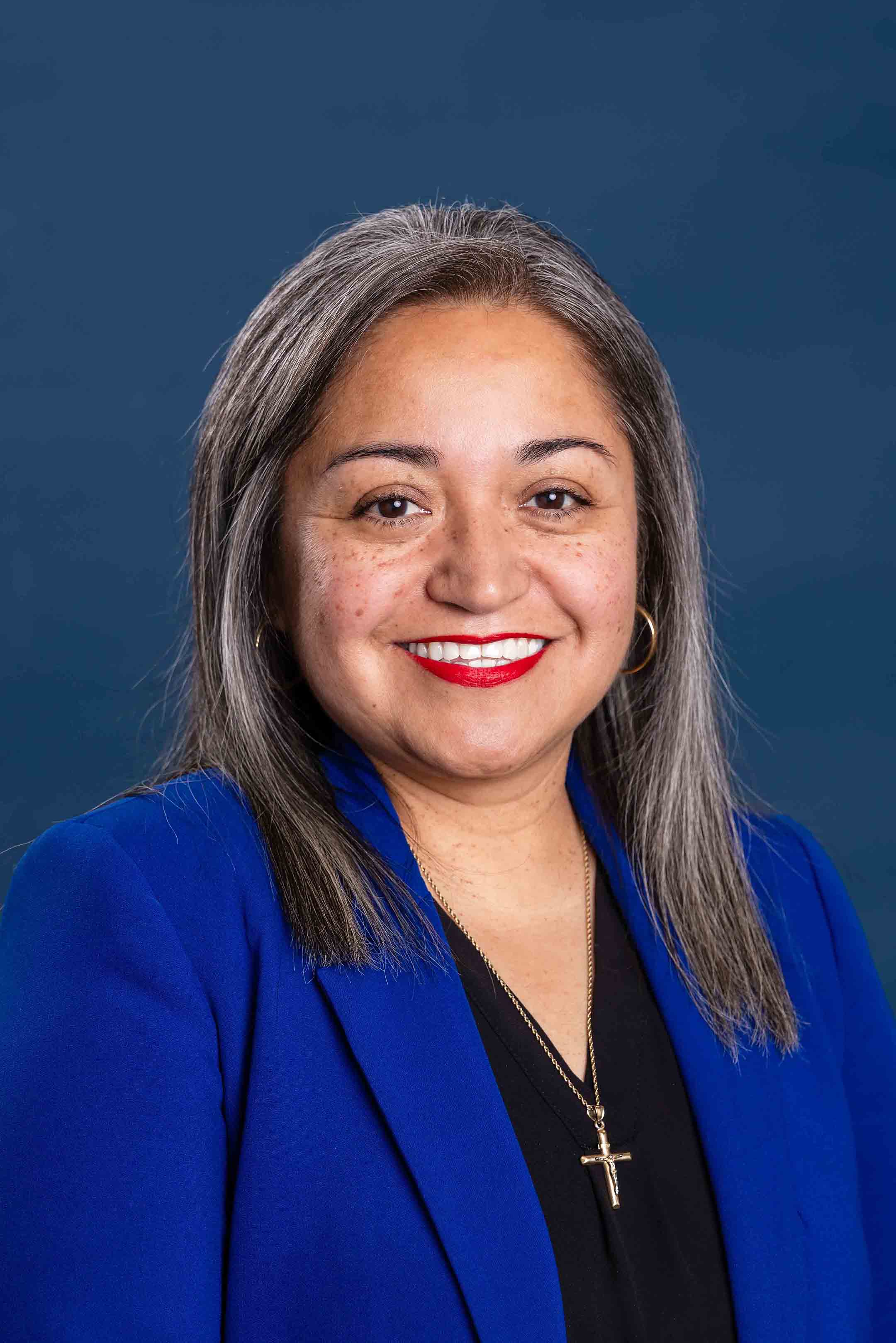
Rep. Mariana Sandoval
Sponsored bills
Maddy summaryHB 2899 requires most health and disability insurers in Arizona to cover prosthetic devices starting January 1, 2027. It mandates coverage for devices meeting a patient’s medical needs (as determined by their doctor) and additional devices needed for specific recreational activities like running, swimming, skiing, and team sports. The law applies to hospital service corporations, medical service corporations, health care services organizations, and disability insurers. It does not change existing coverage for basic medical needs but expands requirements to include recreational use. This affects all Arizona residents with qualifying insurance policies who need prosthetic devices.
Maddy summaryHB 2504 amends Arizona's election laws to change how initiative and referendum petitions are prepared and circulated. It requires petition sponsors to get the attorney general's advance approval of their measure's description before submitting petitions, and it mandates that all non-resident and paid circulators register with the secretary of state - including providing personal details, consent to court jurisdiction, and a notarized affidavit. Circulators who fail to register, provide false information, or are convicted of certain offenses (like fraud or felony) face disqualification of signatures they collected and potential misdemeanor charges. The bill directly affects petition sponsors, circulators, and the secretary of state's office by adding new registration steps and enforcement mechanisms for statewide ballot measures.
Maddy summaryHB 2583 primarily updates fingerprinting requirements for education professionals in Arizona. It mandates that teachers, student teachers, charter school staff, and tutoring contractors submit identity-verified fingerprints through the Department of Public Safety for background checks. Key provisions include standardizing the fingerprint submission process, allowing school districts to contract with third parties for fingerprinting services, and creating a digital archive to avoid duplicate submissions for renewals. The bill also includes a separate section (Section 2) about Arizona empowerment scholarship accounts, which is unrelated to the fingerprinting requirements.
Maddy summaryHB 2580 defines key terms for Arizona's education scholarship programs, primarily affecting students and micro-schools. It establishes eligibility criteria for "qualified students" (including those with disabilities, from low-performing schools, military families, or Indigenous communities) and defines "micro-schools" as tuition-charging entities employing instructors for specific subjects. The bill sets requirements for annual education plans, curriculum standards, and enrollment rules for scholarship programs. It does not create new funding but clarifies program mechanics for existing scholarship accounts. This definitional work prepares the framework for how Arizona's education savings accounts will operate.
Maddy summaryHB 2503 amends Arizona's campaign finance law (ARS § 16-921) to explicitly allow candidate committees to use campaign funds for direct childcare costs for the candidate's dependents, such as a child or other individual the candidate cares for. This change directly affects candidates with caregiving responsibilities who previously faced ambiguity about using campaign money for these essential expenses. The bill clarifies that such childcare costs are now a lawful expenditure under the law, without requiring separate fundraising. It does not alter existing exemptions for volunteer services, news coverage, or other campaign-related expenses. The legislature states this is a clarifying update, not a substantive change to campaign finance rules.
Maddy summaryHB 2507 makes specific actions related to voting illegal by adding new misdemeanor offenses under Arizona law. It prohibits behaviors like electioneering near polling places or early voting locations, interfering with voting machines, showing another voter's ballot, or failing to return a ballot after voting. The bill directly affects voters and election workers by clarifying what constitutes voter intimidation or ballot interference during in-person voting. Key provisions include banning the display of completed ballots (except when a voter posts their own ballot online, which is deemed consent to share), and making it illegal to harass people delivering voted ballots.
Maddy summaryArizona's HB 2508 requires ballot measures to include clear, plain-language descriptions of their effects. Specifically, it mandates that each measure's ballot summary must state exactly what a "yes" vote would do and what a "no" vote would do, using brief phrases approved by the attorney general. This applies to all state ballot measures, including initiatives and referendums, and replaces vague titles with direct explanations of outcomes. The bill ensures voters understand the practical impact of each measure before casting their ballot, as required by law.
Maddy summaryHCR 2034 is a proposed resolution (requiring voter approval) that would replace Arizona's current rules for English language learners (ELLs) in public schools. It mandates schools to identify students' primary languages, assess their English proficiency, and enroll non-proficient students in structured English immersion programs requiring 120 minutes daily for K-5 and 100 minutes daily for grades 6-12. The bill also creates a budget framework for schools to cover additional costs of these programs using state funds, while requiring the state board to approve research-based instructional models. This directly affects all Arizona public schools and English language learners.
Maddy summaryHB 2509 restricts direct corporate and labor organization contributions to candidate committees while creating new rules for their political activity. It allows corporations, LLCs, and labor organizations to establish separate segregated funds (SSFs) for employee, member, and affiliate contributions, but requires these SSFs to register as political action committees. The bill mandates strict reporting: corporations must notify election officials within one day of exceeding $5,000 in statewide races, $2,500 in legislative races, or $1,000 in local races, providing details like contributor names, amounts, and candidate support/opposition. This directly affects corporations, their employees/members (who can contribute to SSFs), and political committees receiving funds. Violations carry civil penalties up to three times the contribution amount.