

Maddy summaryHB 2472 restricts the sale and use of neonicotinoid pesticides (a class of chemicals including imidacloprid and thiamethoxam) in Arizona. It requires sellers to hold a restricted-use pesticide license and limits use to certified applicators, veterinarians, or wood preservers, with key exceptions for pet care products, personal care items, indoor pest control, and wood preservatives. Violations are classified as class 3 misdemeanors. The law takes effect on December 31, 2026.
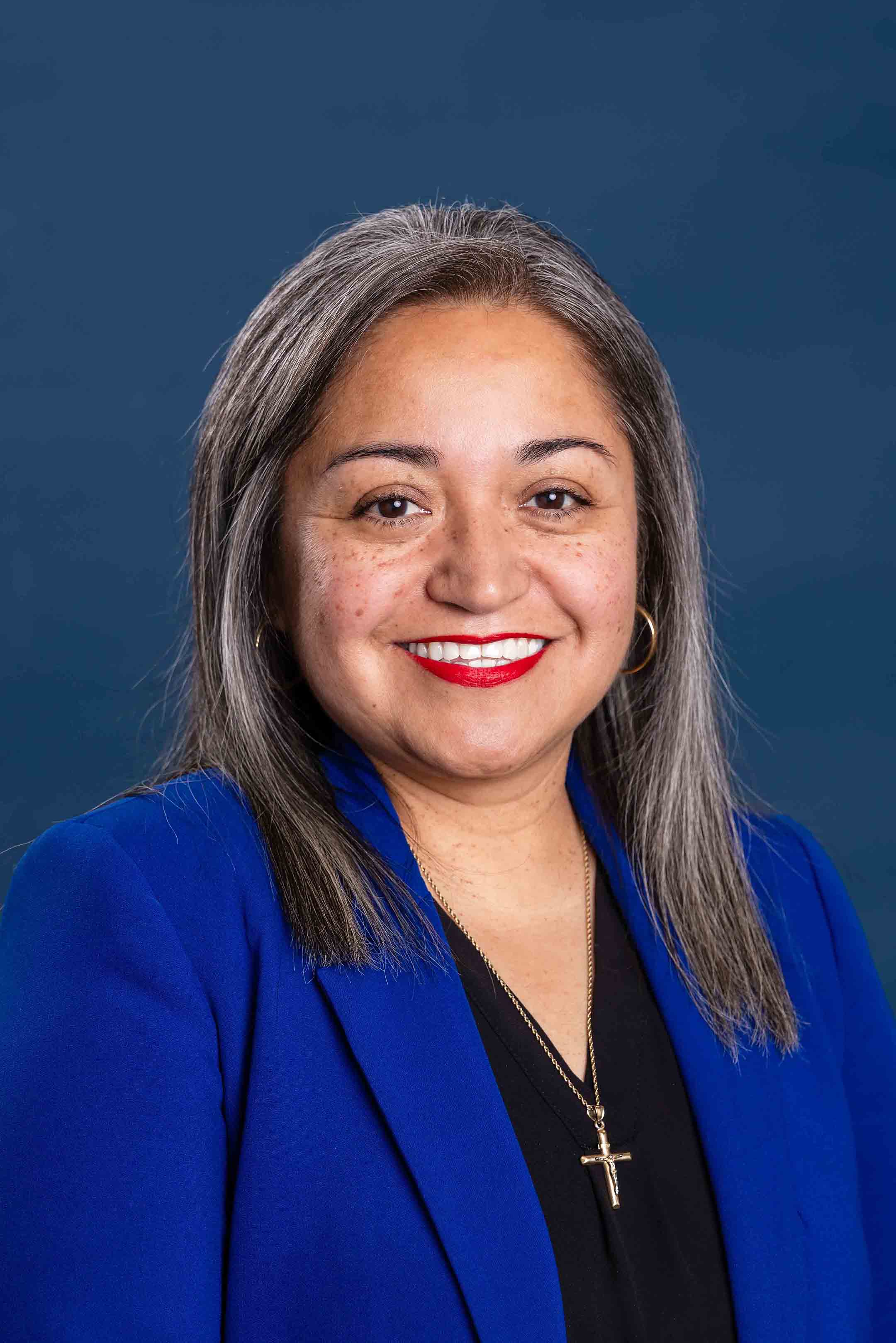
Rep. Mariana Sandoval
Sponsored bills
Maddy summarySCR 1018 proposes amending Arizona's constitution to protect marriage equality. It would repeal the current constitutional section defining marriage as between one man and one woman and replace it with a new section stating that marriage cannot be prohibited based on sex, race, ethnicity, or national origin. This constitutional change would directly affect all Arizona residents by guaranteeing marriage rights regardless of sexual orientation. The amendment requires voter approval at the next general election, as specified by the Secretary of State.
Maddy summaryHB 2849, the "One Fair Wage Act," gradually increases Arizona's minimum wage from $10 hourly in 2017 to $18 hourly by 2027, with automatic annual adjustments starting in 2021 based on the U.S. Consumer Price Index (CPI) to account for cost-of-living changes. It temporarily allows employers to pay tipped workers a base wage $3.00 below the minimum wage if tips bring their total earnings up to the minimum, but this exception ends on January 1, 2030. The bill requires a three-fourths vote in both legislative chambers to take effect, as mandated by the Arizona Constitution. This directly affects all Arizona hourly workers and their employers, particularly those in service industries relying on tips.
Maddy summaryHB 2701 requires Arizona's legislative council to display the official flags of all 22 federally recognized tribes in Wesley Bolin Plaza. This bill directly affects the state government (specifically the legislative council) and the tribes whose flags are displayed. It mandates a new, specific location for tribal flag display as part of public space management, without altering funding or other provisions in the existing monument law. The bill focuses on a procedural requirement for flag placement, not broader policy changes.
Maddy summaryHB 2510 modifies Arizona's election rules to allow counties to adjust polling locations for early and emergency voting. It permits county election boards to combine adjacent precincts for early voting if they anticipate reduced turnout at specific locations, and to establish emergency voting centers with specified hours and locations through a board resolution. Voters at emergency centers may update registration information without strict ID requirements. This affects county election officials, voters who use early/emergency centers, and schools that may provide polling space (though schools can deny requests for safety or space reasons). The bill does not change early voting hours but adjusts where voting can occur.
Maddy summaryHCR 2024 proposes amending Arizona's constitution to explicitly state that voting is a fundamental right, requiring any law restricting voting to be narrowly tailored for a compelling government interest. It would strengthen protections beyond the U.S. Constitution's equal protection clause, ensuring voting rights cannot be denied based on sex and extending equal eligibility to all citizens. The amendment clarifies that voting eligibility requires U.S. citizenship, age 18+, and state residency, while excluding individuals convicted of treason or felony (unless civil rights are restored). This constitutional change must be approved by Arizona voters at the next general election, as directed by the Secretary of State.
Maddy summaryThis proposed constitutional amendment would establish annual spending limits for Arizona school districts based on adjusted 1979-1980 spending levels, adjusted for student population growth and inflation. The limit is calculated as 1.10 times the adjusted baseline amount, prohibiting districts from exceeding this cap using local revenues (excluding specific exempted funds like federal grants, bond proceeds, and self-supporting school services). Districts could exceed the limit only if the legislature passes a two-thirds vote concurrent resolution. The measure directly affects all public school districts and community college districts in Arizona by constraining their local budget flexibility.
Maddy summaryHB 2879 prohibits Arizona healthcare providers from sharing patient medical records or granting access to medical facilities for immigration enforcement purposes, directly affecting patients (especially immigrant communities), providers, and federal immigration agencies. The bill allows exceptions only if a patient signs a written authorization, a neutral magistrate issues a valid search warrant, or a subpoena is served under existing law. It explicitly defines "immigration enforcement" to include all federal efforts investigating or penalizing immigration status, employment, or entry into the U.S. The law aims to protect patient privacy by preventing healthcare settings from being used for immigration investigations. This bill does not alter existing medical privacy laws but adds specific restrictions for immigration-related requests.
Maddy summaryHB 2512 clarifies procedures for local initiatives and referendums in Arizona cities, towns, and counties. It requires local election officials to mail voter pamphlets to all households with registered voters at least 10 days before an election (with penalties for late mailing), mandates that arguments supporting or opposing measures be filed 90 days before the vote, and establishes a 5-calendar-day window to contest the validity of initiatives or referendums in court. The bill directly affects local governments, election officials, and voters participating in municipal or county ballot measures. It modifies Arizona Revised Statutes § 19-141 to standardize local election processes while maintaining strict deadlines for filing and legal challenges.
Maddy summaryHB 2703 defines eligibility for Arizona's Education Savings Account (ESA) program, primarily affecting students with disabilities, those from low-performing schools, military families, and children in foster care. The bill establishes specific criteria for "qualified students" (e.g., those identified under federal disability law, attending schools with D/F grades, or military-connected children) and defines "micro-schools" as tuition-charging entities providing instruction without public school status. It requires schools receiving ESA funds to meet reporting standards and ensures students must have attended a public school for minimum hours or meet other specified enrollment requirements. This bill updates the legal framework governing the existing ESA program without creating new funding.