

Maddy summarySB 1374 defines key terms related to Arizona driver's license records and personal information. It specifies that "highly restricted personal information" includes consular identification card numbers, social security numbers, medical details, and driver license data. The bill requires "express consent" (including electronic signatures) for releasing such sensitive information from the Department of Motor Vehicles. This affects drivers whose personal data is stored in DMV records and the state agency managing those records.
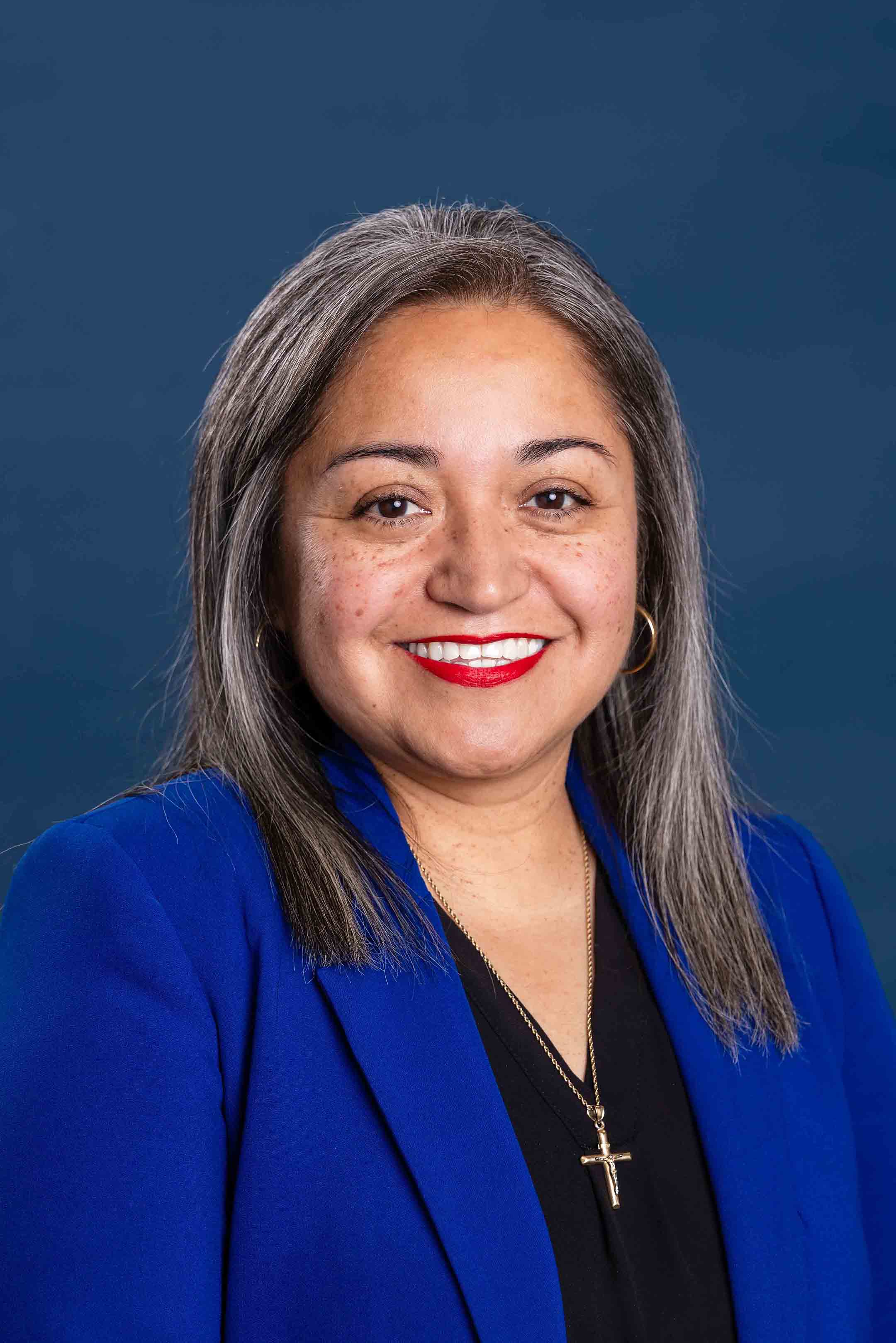
Rep. Mariana Sandoval
Sponsored bills
Maddy summarySB 1350 establishes Arizona's "Outdoor Rx" program, providing state grants for outdoor-based therapy programs focused on veterans, individuals recovering from substance abuse or trauma, and those seeking healthier lifestyles through nature. The program funds public and private organizations offering activities like conservation, ecological studies, and agricultural therapy in natural settings (e.g., state parks), requiring applicants to contribute matching funds and meet specific criteria like veteran participation (minimum 50%) and research-based methods. The Department of Health Services administers the grants, sets application rules, and requires program evaluations, while an advisory committee with park, health, and veteran agency representatives guides implementation. This bill directly affects community organizations and veterans' services by creating a new state-funded pathway for nature-based therapy programs.
Maddy summarySB 1356 establishes a seven-member study committee to examine economic and development barriers to creating community land trusts in Arizona. The committee, appointed by legislative leaders and including community practitioners and higher education representatives, must study these barriers and propose solutions. It is required to submit a final report to state leaders by December 31, 2026, with the committee dissolving after June 20, 2027. This procedural bill does not create new laws but sets up a formal process for evaluating community land trust development.
Maddy summaryHB 2518 allows Arizona's groundwater director to designate new "subsequent active management areas" for groundwater basins that aren't already covered by existing management plans. It specifies that such designations are required if groundwater preservation is needed, land subsidence threatens property or storage, or groundwater use degrades water quality. The bill mandates that these areas must cover entire groundwater basins (except for northern Arizona's regional aquifers), not partial sections. This directly affects groundwater users and landowners in newly designated basins by subjecting them to future management practices.
Maddy summaryThis bill allocates $400,000 in state funding for public schools to plant low-emission, climate-appropriate trees on campuses. It prioritizes schools where 75% or more of students qualify for free/reduced-price lunches (under federal nutrition programs), distributing funds first-come, first-served until December 31, 2026. Remaining funds after that date will be available to all public schools on a first-come basis. Schools receiving funds must report on usage and may partner with nonprofits for tree planting.
Maddy summarySB 1362 allocates $2 million from Arizona's general fund for fiscal year 2026-2027 to the University of Arizona's Aegis consortium to develop a state resilience plan. The bill directly funds the University of Arizona and its Aegis consortium to create this plan, which focuses on preparing for climate or disaster-related challenges. It provides specific financial resources for planning activities but does not change existing laws or regulations. This is a procedural funding bill with no voting record or policy changes beyond the allocated budget.
Maddy summarySB 1377 requires employers in high-risk industries - including agriculture, construction, landscaping, oil/gas extraction, and delivery work - to implement heat illness prevention measures. It mandates employers provide drinkable water with ice (1 cup every 15-20 minutes at 80°F+, more at 95°F+), access to shade or climate-controlled areas within 400 feet, and paid rest periods (15-45 minutes per hour) when temperatures reach 80°F or higher. Employers must also establish high-heat monitoring (e.g., supervisor checks, buddy systems), emergency response protocols, and require preshift meetings for agricultural workers. The law directly affects workers and employers in the specified industries across Arizona.
Maddy summarySB 1341 amends Arizona's anti-discrimination law to explicitly include "gender identity and gender expression" as protected characteristics in employment, housing, and public accommodations. It defines these terms and requires new public restrooms or major renovations of existing public restrooms to designate single-occupancy facilities as gender-neutral. The bill directly affects businesses, public entities, and service providers operating in public spaces like restaurants, hotels, and recreational facilities. These changes expand existing protections that previously did not cover gender identity or expression.
Maddy summaryArizona's SB 1342 prohibits municipal law enforcement agencies and health care facilities from stopping, detaining, or questioning people based on immigration status, sharing databases with federal immigration authorities, or using local resources to assist federal immigration enforcement. It requires agencies to collect immigration-related information only when strictly necessary for public services and prohibits disclosing such records without specific written consent from the individual. Agencies must also submit annual reports tracking federal immigration requests (like detainers) and their responses. The law does not block compliance with valid federal warrants or actions required by federal law.
Maddy summaryHB 2717 establishes new rights for sexual assault survivors in Arizona, directly affecting individuals reporting sexual assault and the medical/legal professionals who interact with them. The bill creates confidentiality for communications between survivors and sexual assault victim advocates (requiring advocates to complete 30 hours of training), prohibits charging survivors for medical exams, and guarantees survivors the right to consult an advocate during medical exams or police interviews. It also mandates that survivors be informed of their rights in writing before exams or interviews, restricts the use of sexual assault kits against survivors for unrelated offenses, and requires medical providers to notify law enforcement within 48 hours of collecting evidence. The law aims to protect survivors' privacy and ensure they receive support during sensitive medical and legal processes.