

Maddy summaryArizona's SB 1355 expands anti-discrimination protections in employment, housing, and public accommodations by explicitly adding "gender identity and gender expression" to the list of protected characteristics. The bill requires businesses open to the public (like restaurants, hotels, and recreation facilities) to avoid discrimination based on these categories and mandates that new or fully renovated public restrooms in government buildings be designated as gender-neutral. It clarifies that public accommodations may exclude individuals for reasons like disruptive behavior but cannot deny service based on protected traits. This law directly affects businesses serving the public and individuals facing discrimination in these areas across Arizona.
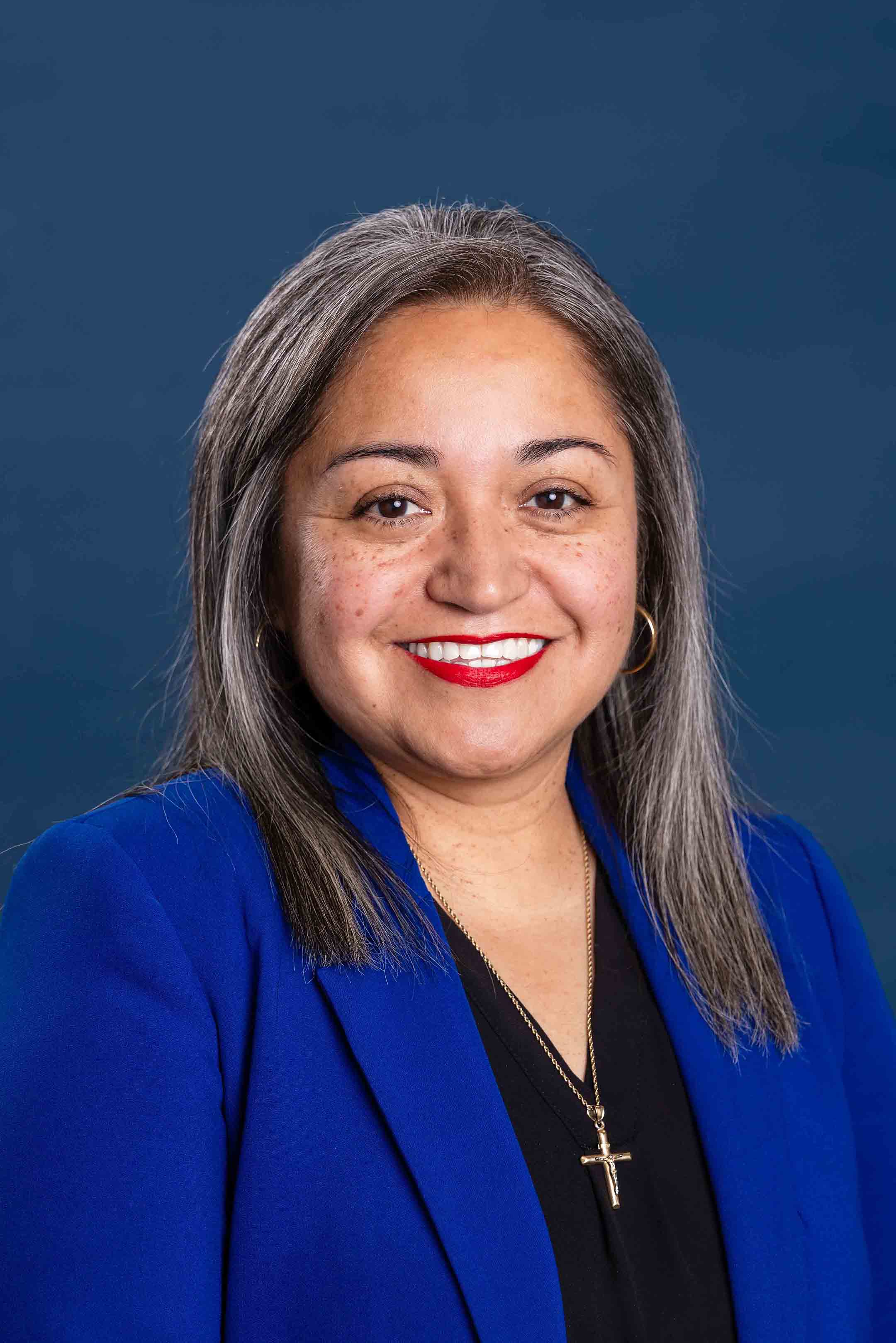
Rep. Mariana Sandoval
Sponsored bills
Maddy summarySB 1361 creates Arizona Empowerment Scholarship Accounts, providing state-funded scholarships for students to use at approved educational providers. It directly affects Arizona students and their parents, who must sign agreements to use funds only for specific educational expenses like tuition at qualified schools, textbooks, tutoring, special education services (for eligible students), and postsecondary education costs. Key provisions include restrictions on concurrent use with school tuition organizations, requirements for approved providers (e.g., fingerprinted staff), and annual eligibility reviews for students nearing age 22. The bill expands educational options beyond traditional public schools while specifying allowable uses of funds through detailed expense categories.
Maddy summaryHB 2847 increases Arizona's maximum weekly unemployment benefit from $240 to $500, effective after June 30, 2022. It also raises the wage deduction threshold from $30 to $160 per week, meaning unemployed workers can earn more before their benefits are reduced. This bill directly affects Arizona residents who qualify for unemployment benefits by allowing them to receive higher payments. The change modifies specific provisions in Arizona Revised Statutes § 23-779 regarding benefit calculations and wage offsets.
Maddy summarySB 1321 allows Arizona residents convicted of qualifying misdemeanors (excluding certain offenses like violent crimes or drug offenses) to petition courts for expungement of their records starting January 1, 2027. To qualify, petitioners must wait at least three years after completing probation or sentence, have no pending cases or unpaid fines, and provide proof of sentence completion. If approved, courts will seal all conviction records, prohibit law enforcement from disclosing them without a court order, and allow petitioners to legally state the conviction never occurred. Victims of the offense receive notice and the right to be heard during the process. This bill directly affects individuals with eligible misdemeanor convictions seeking to move forward without criminal record barriers.
Maddy summaryHB 2843 establishes rules for portable solar power devices under 1,200 watts that plug into standard 120V outlets. It prohibits utility companies from charging fees, requiring permits, or demanding extra equipment for these devices. Devices must meet national safety standards, automatically shut off during power outages, and comply with electrical codes. Local governments cannot impose additional permits or inspections on compliant devices, clarifying they are distinct from larger solar systems.
Maddy summarySB 1360 amends Arizona's Empowerment Scholarship Account (ESA) program to clarify eligible uses of funds and renewal requirements. It specifies that ESA funds can cover tuition at qualified schools, textbooks, educational therapies, tutoring, online programs, transportation, and certain postsecondary expenses. Parents must agree not to use other scholarships concurrently and must complete annual education plans for students nearing age 22 to maintain eligibility. The bill directly affects Arizona parents enrolled in the ESA program who receive state-funded scholarship accounts for their children's education.
Maddy summarySB 1358 requires Arizona counties to designate at least one polling place on the main campus of each state university and provide at least one early ballot dropbox at every community college campus and satellite location within the county. It mandates these locations be established for all general and primary elections, directly affecting voters attending state universities and community colleges. The bill also includes provisions for combining precincts, using voting centers, and emergency voting centers, but its core requirement focuses on campus accessibility. This creates concrete policy changes by legally requiring specific voting infrastructure at educational institutions.
Maddy summarySB 1353 establishes a state fish contaminant monitoring program to test sport fish for pesticides and metals in all Arizona waters supporting recreation. It requires the Department of Environmental Quality to monitor all such waters every three years (with extra focus on urban areas), conduct annual screenings for new contamination risks, and partner with the Department of Health Services to assess health risks based on fish consumption data. The program mandates health advisories and multilingual signage (English/Spanish) at fishing sites when contaminants pose significant risks, including posting warnings in Arizona Game and Fish regulations. The bill appropriates $500,000 for this program in fiscal year 2026-2027, directly affecting Arizonans who consume locally caught sport fish, especially in urban communities.
Maddy summaryHB 2516 amends Arizona water law by defining "watershed health uses" and requiring the Department of Water Resources director to conduct groundwater quality studies. The bill adds a new duty for the director to perform feasibility studies and remedial investigations on groundwater quality, with the option to enter into federal agreements under the Comprehensive Environmental Response, Compensation, and Liability Act (CERCLA). This change directly affects the Department of Water Resources, which will now have a specific administrative obligation to assess groundwater quality. The bill focuses on clarifying terminology and adding a study requirement without altering existing water rights or funding.
Maddy summarySB 1343, the Arizona State Voting Rights Act, requires covered political subdivisions (like cities or counties meeting specific language minority criteria) to provide voting materials and bilingual election staff in minority languages. It mandates that areas with over 2% of voting-age residents in a single language minority group (or over 4,000 members of such a group) must offer ballots, registration forms, and polling place staff fluent in that language. Covered subdivisions face penalties of up to $250,000 for failing to provide these materials or bilingual staff within strict timeframes after notice of noncompliance. The law establishes legal standing for affected voters or organizations to sue if these requirements are violated.