

Maddy summaryHB 2949 requires large data centers (defined as facilities with at least 100 megawatts of peak demand) to directly pay for all energy costs related to their operations, including fuel, generation, and transmission. This applies to both public power entities (like municipal utilities) and public service corporations (like investor-owned utilities). The bill prohibits these data centers from passing these costs onto other utility customers, ensuring ratepayers aren’t burdened by the facilities’ energy expenses. The law aims to address cost allocation for high-energy data infrastructure without altering broader utility rate structures.
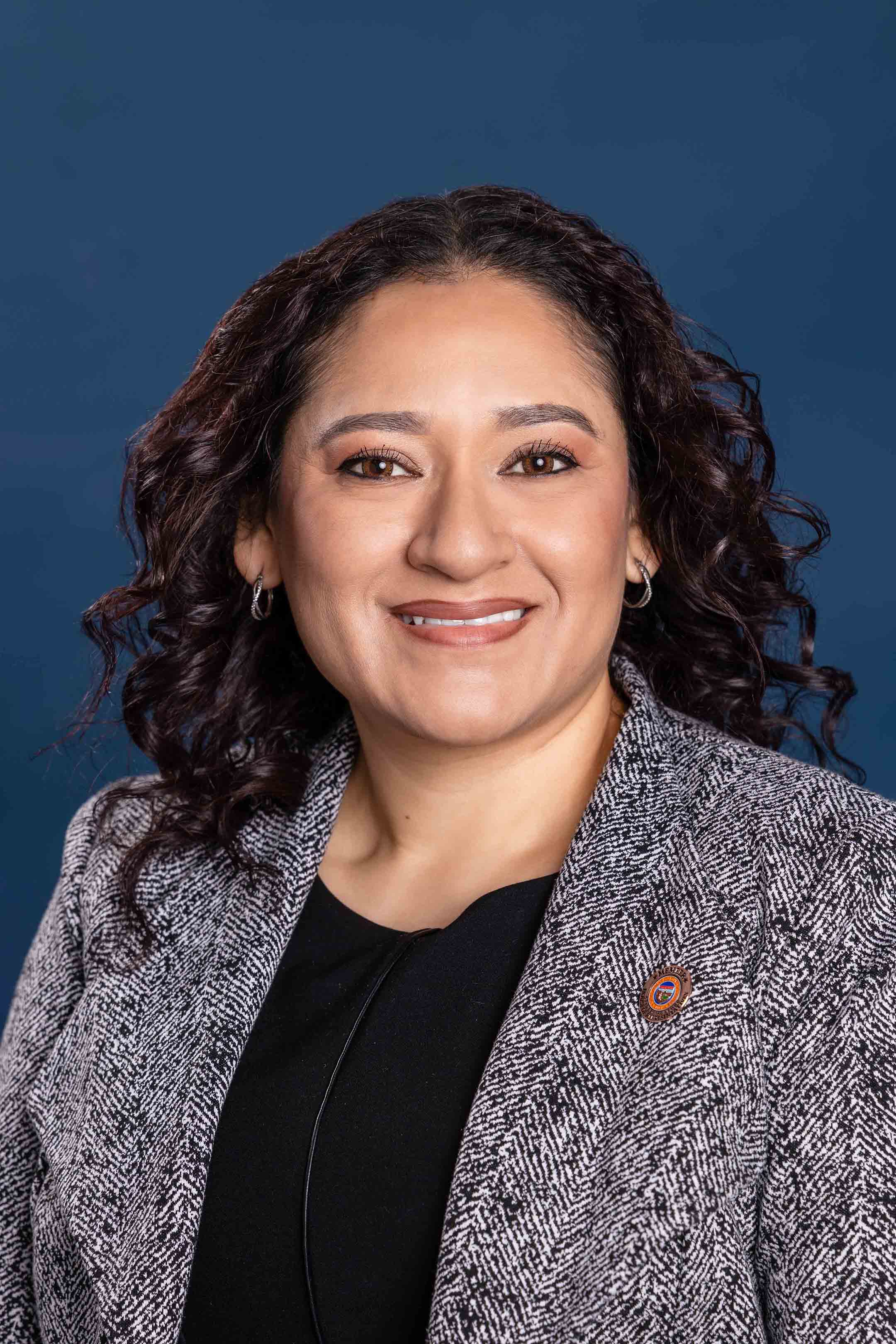
Rep. Elda Luna-Nájera
Sponsored bills
Maddy summaryHB 2964 requires Arizona health insurers to cover specific cancer-related genetic services without cost-sharing (like deductibles or copays) starting January 1, 2027. It applies to hospital service corporations, health care services organizations, and disability insurers, directly affecting subscribers, enrollees, and insureds who have a personal or family history of cancer or inherited gene mutations. The bill mandates coverage for genetic counseling, testing (including BRCA and Lynch syndrome tests), and cancer risk assessments when recommended by a health care provider following National Comprehensive Cancer Network guidelines. This ensures access to inherited cancer risk testing without financial barriers for eligible individuals.
Maddy summaryHB 2669 sets a maximum train length of 8,000 feet for railroads operating on main tracks or branch lines within Arizona. This bill directly affects railroad operators in the state by prohibiting trains exceeding this length. The key provision is a clear, enforceable limit on train size, replacing any previous length allowances. The law applies to all railroad operations on state-maintained tracks and aims to standardize safety and operational parameters. This is a straightforward regulatory change with no additional funding or complex implementation mechanisms.
Maddy summaryHB 2679 creates a presumption that certain heart-related, perivascular, or pulmonary injuries, illnesses, or deaths in firefighters are work-related occupational diseases if they occur within 24 hours of a known incident during duty. To qualify, firefighters must have passed pre-employment physicals (without pre-existing conditions), followed NFPA 1582 medical standards, and been exposed to a specific event. Employers can only rebut this presumption with clear evidence of a pre-existing non-work condition that independently caused the issue, excluding factors like age, family history, or lifestyle. The bill explicitly states that tobacco use outside work duties cannot be used to challenge the presumption.
Maddy summaryHB 2682 creates Arizona's Rental Assistance Program, providing limited financial help to eligible renters facing temporary hardship. It directly affects tenants with at least one child under 18 who have lived in their rental for 12 months, are no more than two months behind on rent, and face an unexpected financial emergency. The program offers up to $5,000 or two months of rent per year (paid directly to landlords), requires proof of future income, and prohibits evictions for covered months. The state appropriates $5 million for this program in fiscal year 2026-2027, and tenants must also complete free financial literacy classes.
Maddy summaryHB 2945 establishes Arizona's first state-administered family and medical leave insurance program, effective January 1, 2029. It provides wage replacement benefits for eligible workers needing time off for reasons including childbirth/adoption, caring for a family member with a serious health condition, pregnancy recovery, military family needs, or safe leave due to domestic violence, sexual violence, abuse, or stalking. The program guarantees up to 26 weeks of benefits for pregnancy or inpatient health conditions and up to 24 weeks for other qualifying reasons, with employers required to provide at least 12 weeks of leave. Benefit payments must begin within two weeks of a claim and continue every two weeks, applying to both employees and self-employed individuals who meet the defined eligibility criteria.
Maddy summaryHB 2963 requires mandatory settlement conferences for certain Arizona eviction cases within five days of an eviction notice being served on the tenant. Landlords and tenants must attend, submit relevant documents (lease, rent notices, receipts), and the court will dismiss cases if landlords don't appear or enter default judgments if tenants don't attend. The bill updates Arizona Revised Statutes §12-1175 and §33-1368 to specify these procedures, including different notice periods for lease breaches (10 days for most issues, 5 days for health/safety concerns) and clarifying that certain tenant falsifications (like false occupancy or criminal records) are non-curable. This directly affects landlords and tenants in eviction proceedings by adding a required conference step before hearings.
Maddy summaryHB 2962 prohibits landlords in Arizona from discriminating against tenants based on their source of income, such as government housing vouchers (e.g., Section 8), social security, veterans benefits, or other rental assistance programs. It specifically bans landlords from refusing to rent, evicting, charging more, or imposing different terms because a tenant relies on these income sources. Landlords must count rental assistance toward income requirements when evaluating applicants, ensuring subsidies like housing vouchers are treated equally with other income. Violations are addressed under existing anti-discrimination laws, with enforcement handled by the attorney general. This directly affects renters using public assistance and landlords who screen applicants.
Maddy summaryHB 2959 creates "Kindness Charity Special Plates" for Arizona vehicle owners. To obtain these plates, a donor must pay $32,000 to the state department to fund the program, design the plate (with department approval), and cover a $25 annual fee per plate. Of the $25 fee, $17 is donated to a new "Kindness Charity Special Plate Fund" established by the bill, while $8 covers administrative costs. This program directly affects donors who choose to support the fund through license plate purchases.
Maddy summaryHB 2936 repeals Arizona's requirement that construction projects subject to environmental review must include labor agreements (like neutrality agreements) as a condition for approval. This directly affects construction companies and developers seeking environmental permits for facilities like power plants or transmission lines. The bill removes a provision that previously forced applicants to negotiate or comply with certain labor agreements before receiving approval. It does not change environmental review standards or requirements for pollution control. The repeal simplifies the approval process for construction projects by eliminating this labor-related condition.