

Maddy summaryHB 4135 creates a new child care tax credit for Arizona taxpayers with children under five who use certified child care providers. The credit provides $2,000 per child for families with federal adjusted gross income of $75,000 or less, and $1,000 for incomes between $75,000 and $150,000 annually. A total of $15 million in credits is available each year on a first-come, first-served basis, with excess credits paid as refunds. The credit applies to tax returns filed for 2026 and later, supporting working families seeking quality early childhood care.
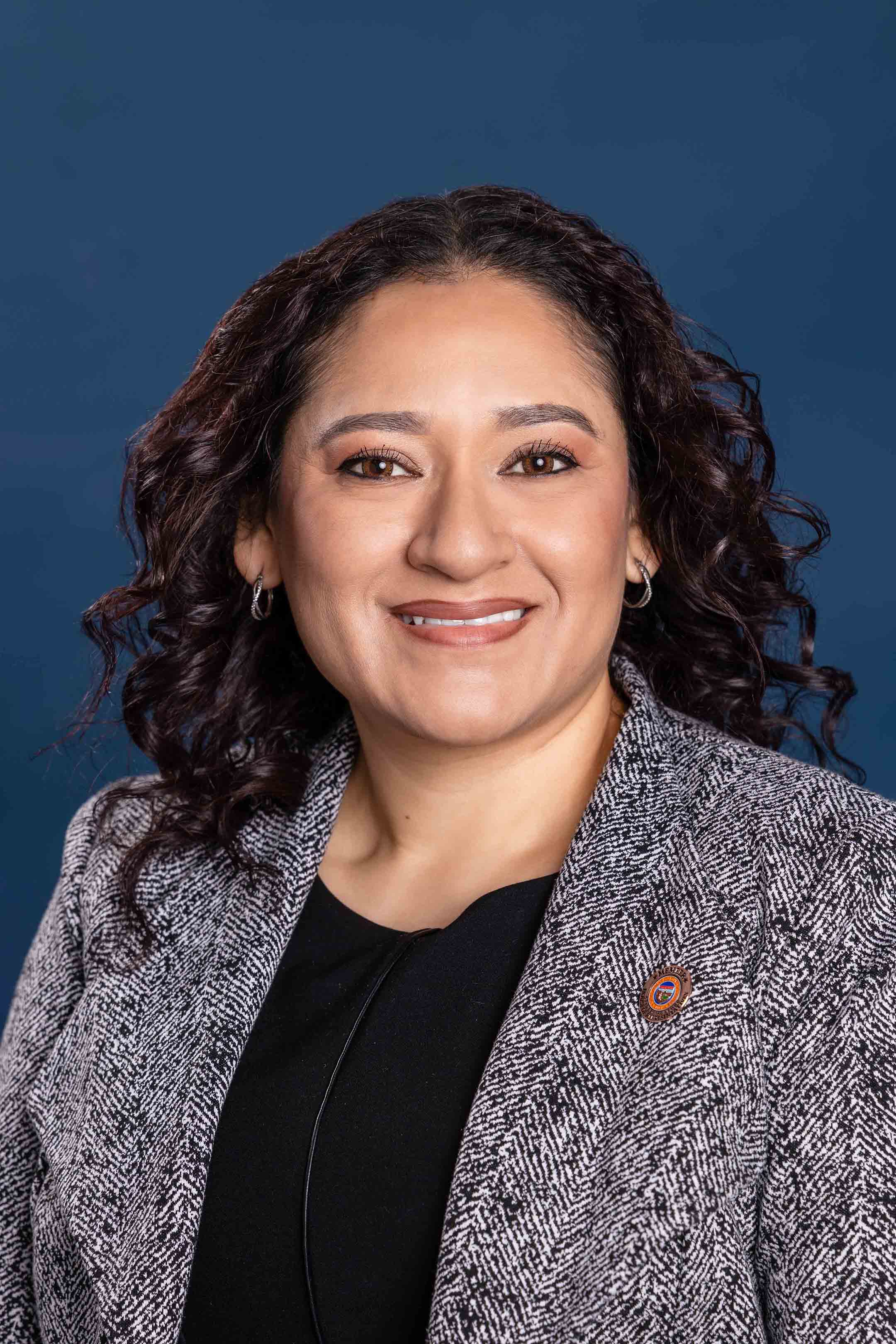
Rep. Elda Luna-Nájera
Sponsored bills
Maddy summaryHB 4089 requires contractors working on Arizona state service contracts (covering retail, food, hotel, janitorial, and healthcare services) to offer jobs to employees of the previous contractor within 10 days of taking over. It mandates a 90-day transition period during which contractors must retain eligible workers based on seniority, provide written job offers with a 10-day response window, and maintain a hiring list for remaining positions. The bill bars contractors from retaliating against employees who report violations or help investigate compliance. It directly affects workers in covered service sectors who performed at least 12 months of qualifying work under the previous contract, excluding managers and airline staff.
Maddy summaryHB 4110 requires Arizona county sheriff's deputies, detention officers, and state correctional officers who interact with prisoners or inmates to complete mandatory training on serious mental illness. The training, developed or approved by the Arizona Health Care Cost Containment System mental health commissioner, must cover psychosis recognition, de-escalation strategies, emergency treatment procedures, and systemic factors contributing to mental illness in correctional settings. New hires must complete the training within six months, with refresher courses every two years, and agencies must maintain compliance records. This bill directly affects law enforcement personnel in county sheriff's offices and state correctional facilities.
Maddy summaryHB 4111 requires U.S. Immigration and Customs Enforcement (ICE) officers operating in Arizona to wear body-worn cameras during all public contacts, with limited exceptions (like avoiding unrelated personal information). It mandates that officers register their name and badge number with the state police and prohibits detaining individuals based solely on race, ethnicity, or national origin. Failure to activate cameras or tampering with footage creates a legal presumption of misconduct in civil investigations, with potential discipline up to termination. The bill directly affects ICE officers and the public they interact with, aiming to increase transparency in enforcement actions.
Maddy summaryThis bill changes Arizona's bail rules for certain serious offenses. It specifies that defendants charged with capital offenses, sexual assault, or specific child molestation crimes (like those involving victims under 13 or a 10-year age gap) cannot be released on bail. It also adds that serious felony charges involving suspected illegal immigration status may prevent bail, requiring courts to consider factors like ICE holds or immigration evidence. Additionally, the bill expands factors judges must weigh when setting bail, including victim input, prior violent offenses, gang membership, and immigration status, while requiring expedited hearings for detention decisions.
Maddy summaryHB 4073 sets new requirements for gestational surrogacy agreements in Arizona. It mandates that surrogates and intended parents complete medical and mental health evaluations by specific licensed professionals, obtain independent legal counsel, and sign agreements transferring parental rights immediately at birth. The agreements must disclose financial responsibilities, confirm no parental claims by surrogates or their spouses, and include specific acknowledgments of parental duties. These provisions apply to all surrogacy arrangements where at least one party is an Arizona resident or the birth occurs in Arizona.
Maddy summaryHB 2579 appropriates $4.5 million from Arizona's state general fund for fiscal year 2026-2027 to the Department of Education to provide free school meals to children meeting federal income eligibility standards for free and reduced-price lunches. The bill directly affects qualifying Arizona students in public schools by expanding access to meals without cost to families. Key provisions include using state funds to cover meal costs for eligible children under existing federal nutrition program criteria and establishing the appropriation as ongoing funding for future years. This policy change modifies state funding allocation for school nutrition programs without altering federal eligibility rules.
Maddy summaryHB 4013 would amend Arizona law to join the National Popular Vote Interstate Compact, requiring Arizona to award its electoral votes to the presidential candidate who wins the national popular vote once enough states join to control a majority of electoral votes (270). Currently, Arizona awards its electoral votes to the candidate who wins the state's popular vote. The compact does not change how Arizona residents vote in presidential elections but would realign the state's electoral vote allocation with the national popular vote winner once the agreement is active. This change would affect Arizona's method of selecting presidential electors without altering the voting process for voters.
Maddy summaryHB 2937 requires nuclear power plant contractors and subcontractors in Arizona to use a skilled workforce, mandating that skilled journeymen (experienced workers who completed approved training programs) make up 30% of the workforce by 2027, 45% by 2028, and 60% by 2029. It also requires contractors to pay skilled journeymen at least the prevailing wage for their occupation, which must meet or exceed the minimum wage. The Arizona Industrial Commission will create rules to verify worker qualifications and handle workplace violations. This bill directly affects contractors performing maintenance, repair, or installation work at licensed nuclear power plants in Arizona.
Maddy summaryHB 2958 expands dental coverage under Arizona's Medicaid program (AHCCCS) to include comprehensive dental care for pregnant women aged 21 and older, including extractions, without the annual $1,000 spending limit that applies to non-pregnant adults. This change ensures pregnant women enrolled in AHCCCS can access full dental treatment as part of prenatal care, removing prior financial restrictions. The bill directly affects pregnant women in the Medicaid program by adding this specific benefit to existing coverage. It does not alter dental coverage for non-pregnant adults or other program provisions.